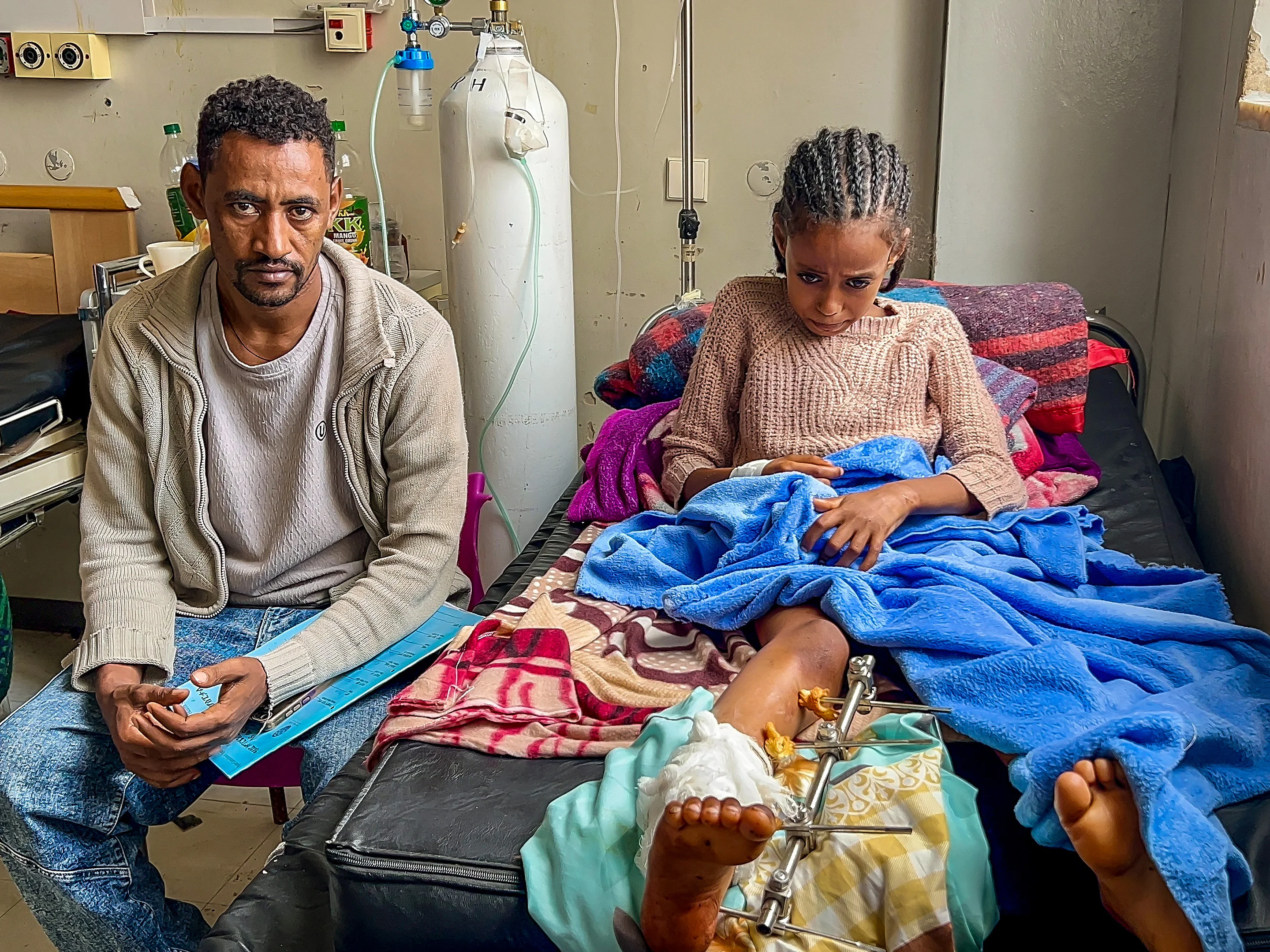
Renewed hostilities erupted across Ethiopia in early September, concentrating fierce battles around the capital and neighboring regions. Within days, the nation’s premier teaching hospital saw its emergency ward inundated with civilians bearing gunshot wounds, shrapnel injuries and blast trauma, overwhelming doctors and nurses accustomed to routine caseloads.
Surgeons on the ground described corridors packed with stretchers, triage tents set up in hallways, and a relentless flow of patients that left little time for standard diagnostic procedures. The influx strained already limited intensive‑care beds, forcing clinicians to make rapid, life‑or‑death decisions under austere conditions.
In response, the Ethiopian Ministry of Health issued an urgent statement acknowledging the “critical pressure on emergency services” and appealed for international medical assistance. The World Health Organization’s regional office echoed the plea, highlighting gaps in essential medicines and calling on donors to accelerate shipments of blood, antibiotics and surgical kits.
In-Depth Analysis & Key Details
Ethiopia’s health system has long grappled with under‑investment, a legacy of decades‑long internal conflict and periodic drought‑driven emergencies that diverted fiscal resources away from hospitals and primary care. The recent escalation compounds these structural weaknesses, exposing how quickly a fragile network can be destabilized when conflict resurfaces.
Humanitarian organizations argue that the surge in combat casualties is only the visible tip of a deeper crisis: routine services such as antenatal care, immunizations and chronic disease management are being postponed or cancelled, raising the risk of secondary health emergencies. Meanwhile, government officials contend that security operations are necessary to restore order, asserting that a stable environment is a prerequisite for rebuilding health infrastructure.
Health policy analysts note that supply‑chain disruptions—exacerbated by border closures and reduced foreign aid—are driving up the cost of essential surgical consumables by up to 30 percent. This price inflation, coupled with a dwindling pool of trained surgeons who have fled conflict zones, threatens to erode the country’s capacity to meet both emergency and everyday health needs for years to come.
"The battlefield is now spilling into the operating theatre, and without swift humanitarian support Ethiopia’s health system may collapse under the weight of its own wounds."
Why This Matters & What Lies Ahead
For ordinary Ethiopians, the immediate consequence is a stark reduction in access to life‑saving care, from emergency surgeries to routine childbirth services. The overload of trauma cases diverts staff and supplies away from chronic disease treatment, increasing mortality from conditions that were previously under control. Moreover, the breakdown in health services can accelerate the spread of infectious diseases, undermining regional public‑health gains.
The situation is set to dominate upcoming diplomatic forums: a United Nations Security Council briefing on the humanitarian impact of the conflict is scheduled for next month, and the African Union is preparing a joint aid package contingent on a ceasefire. Monitoring the delivery of pledged medical supplies and the implementation of a coordinated evacuation protocol for critical patients will be essential indicators of whether the crisis can be contained before it triggers a broader health catastrophe.
Source: Reported by NPR · Analyzed & Synthesized by DNB Newsroom