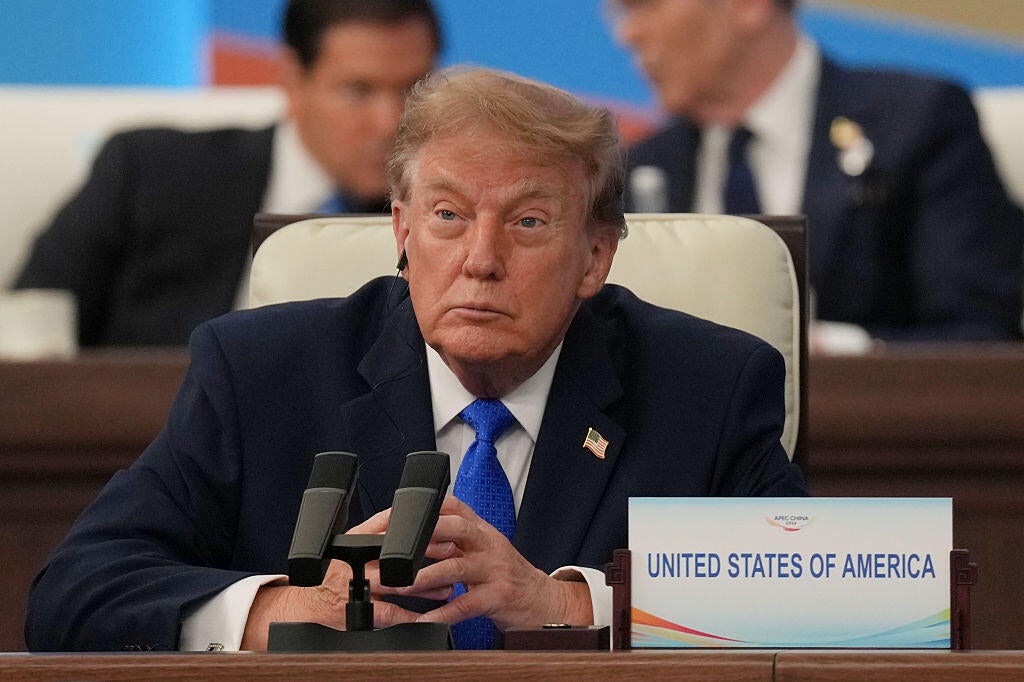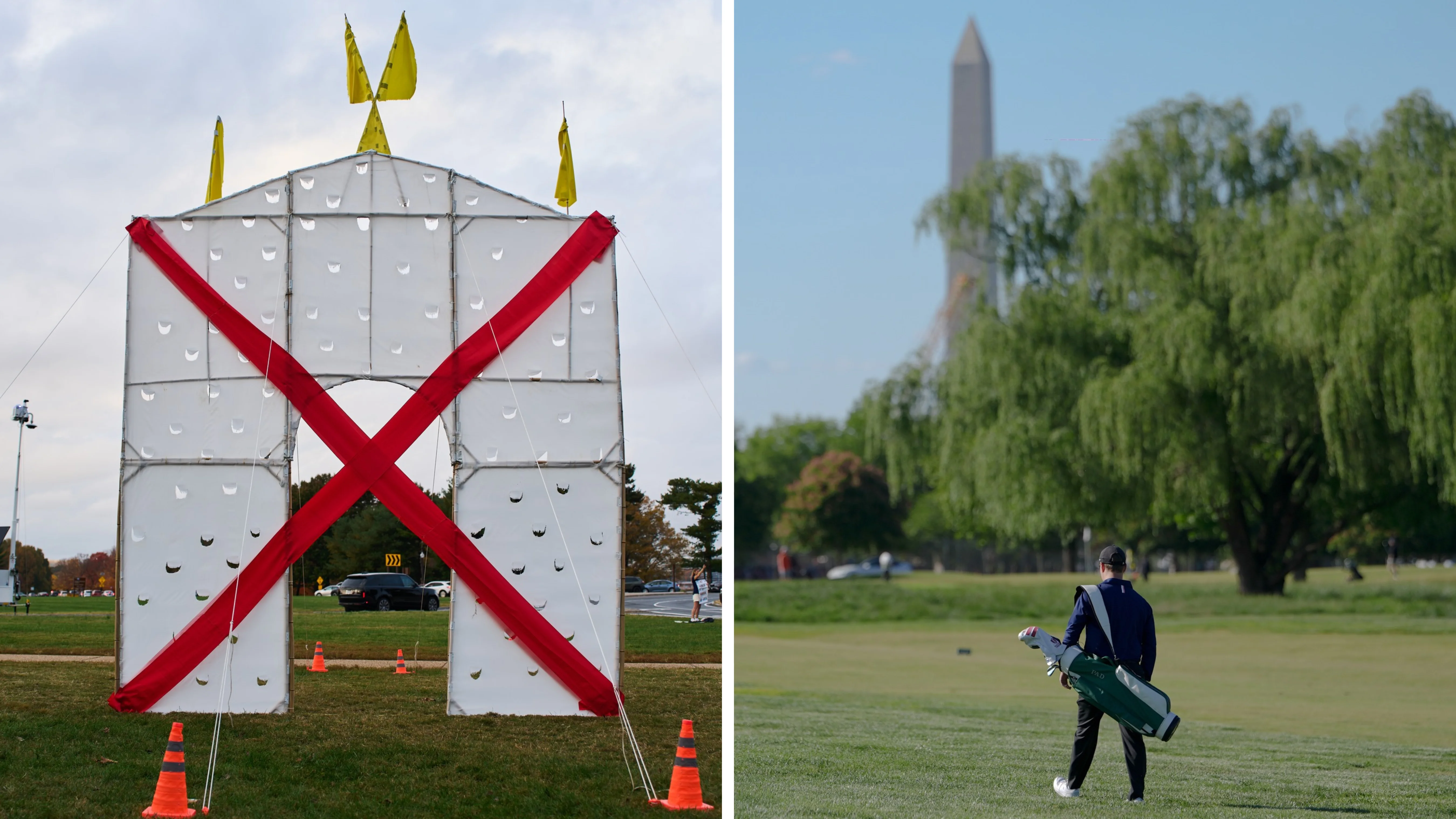
In a significant legal development affecting the physical landscape of the nation's capital, federal courts have intervened to temporarily halt construction efforts associated with the Trump Arch and the proposed golf course in East Potomac Park. A federal judge issued a second delay for the arch project, while a separate judge maintained an order keeping East Potomac Park accessible to the public, preventing the immediate commencement of landscaping and construction work. These judicial actions serve as a check on the executive branch's rapid implementation of infrastructure changes on federal land, forcing a pause in what was previously an accelerated timeline for groundbreaking.
The geographical scope of these legal pauses covers two distinct but related areas of the National Mall and its periphery. The Trump Arch, intended to replace the existing Washington Monument area's visual dominance, and the East Potomac Park redesign, which aims to convert the park into a premier golf facility, are both under active judicial scrutiny. The operational impact is immediate: construction crews have been ordered to stand down, and the public access status of East Potomac Park remains unchanged, preserving the current landscape while legal arguments proceed in the background.
Officials from the administration have expressed frustration over the judicial delays, arguing that the projects are critical to the revitalization of the capital's public spaces. However, legal filings indicate that the courts are prioritizing the protection of the status quo until the legal merits of the executive orders authorizing these changes are fully adjudicated. Stakeholders, including preservation groups and local residents, have welcomed the temporary pauses as a necessary period for transparency and public engagement, though they warn that the brevity of the delays leaves little time for meaningful community input before the next legal phase begins.
In-Depth Analysis & Key Details
The current legal standoff is rooted in long-standing debates over the separation of powers regarding federal property management. Historically, significant alterations to the National Mall and its surrounding parks have required extensive legislative approval or at least broad inter-agency consensus. The administration's approach, which relies on executive authority to direct federal agencies like the National Park Service and the Army Corps of Engineers to execute these designs, has triggered structural resistance from the judiciary. This case tests the limits of executive power in modifying iconic public landmarks without explicit congressional authorization, a question that has remained largely untested in recent decades.
Competing perspectives highlight a deep divide between proponents of the projects, who view them as modernizations that will boost tourism and civic pride, and opponents, who argue that the changes violate the spirit of the National Capital Planning Commission's guidelines and historical preservation standards. The mixed feedback from the federal arts panel regarding the golf course redesign adds a layer of technical and aesthetic scrutiny, suggesting that even within the executive branch, there is disagreement over the design's merit. This internal friction complicates the administration's ability to present a unified legal defense, as the courts can point to the lack of consensus among federal experts as evidence of the projects' potential harm to public interest.
Legal analysts observe that the temporary nature of these orders is strategic for both sides. For the plaintiffs, the delays buy time to build a stronger appellate record, while for the administration, the brevity of the pauses limits the economic and political cost of the projects being stalled. The technical intricacies of the case involve complex property law, environmental regulations, and administrative procedure, all of which are being litigated in fast-paced district court proceedings. The outcome of these initial hearings will set precedents for future executive actions affecting federal lands, making this a high-stakes legal battle with implications beyond Washington D.C.
"The courts are not deciding the merits of the design, but they are insisting that the executive branch cannot unilaterally rewrite the rules of public space without facing the full weight of legal scrutiny, a pause that may prove more consequential than the construction itself."
Why This Matters & What Lies Ahead
For everyday citizens and visitors to Washington D.C., these legal pauses mean that the iconic skyline and public parks will remain unchanged in the short term, preserving the current visitor experience and local ecosystem. However, the uncertainty creates challenges for local businesses and tourism operators who rely on stable public infrastructure. The financial markets may see minor fluctuations in construction and real estate sectors tied to the capital, though the broader economic impact is likely contained. Legislative implications are significant, as Congress may be forced to step in to clarify the legal framework for federal property alterations, potentially leading to new legislation that either empowers or restricts executive authority over public lands.
Upcoming milestones to monitor include the next scheduled court hearings, where judges may rule on the merits of the administrative actions or extend the temporary orders. The federal arts panel's final report on the golf course design is also critical, as its recommendations could influence the court's view on the project's feasibility and public benefit. Additionally, any appeals filed by the administration or the plaintiffs will determine the timeline for a final resolution, with appellate court dates likely to be set in the coming months. These developments will be closely watched by legal scholars, urban planners, and policymakers as they shape the future of public space governance in the United States.
Source: Reported by NPR · Analyzed & Synthesized by DNB Newsroom