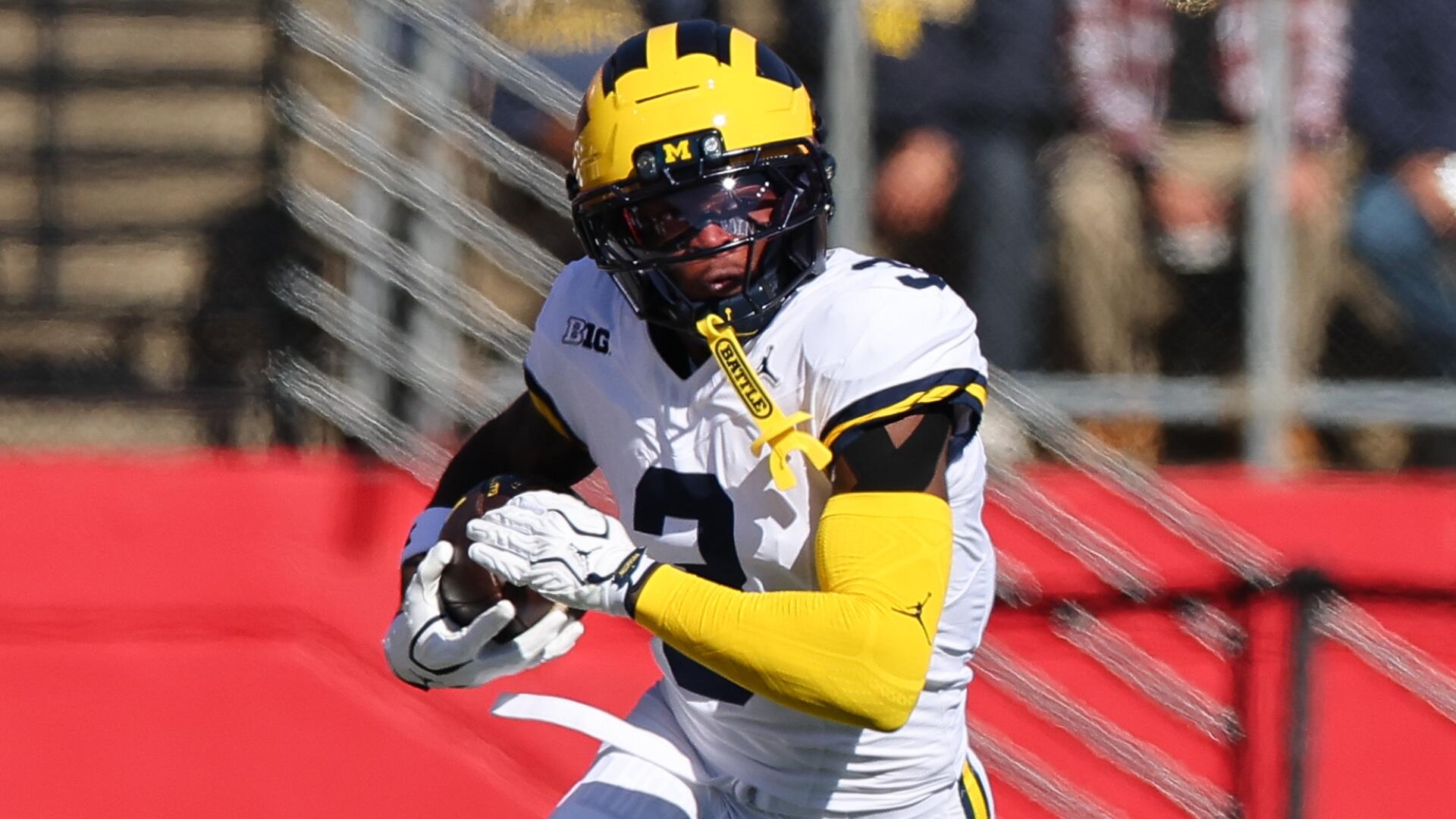
Andrew Marsh, a prominent wide receiver for the University of Michigan football team, is set to appear in court on December 2 to face a misdemeanor charge of indecent exposure. The legal proceedings mark a significant development in the athlete's public profile, shifting focus from his on-field performance to his personal legal obligations. The charge is the culmination of an investigation into an alleged incident that occurred several months prior, underscoring the delayed but definitive nature of the judicial process in such matters.
The alleged incident involved a female delivery driver and is reported to have taken place in February. This timeline suggests that the period between the alleged act and the formal charging decision spanned several months, a common occurrence in law enforcement investigations where evidence is gathered and reviewed before charges are filed. The geographical context remains local to the university's vicinity, though specific details of the location are not publicly disclosed in the initial reporting.
University officials and legal representatives have not issued detailed public statements regarding the specific merits of the case, adhering to standard protocols that prioritize due process and privacy during active legal proceedings. The focus remains on the scheduled arraignment, where Marsh will be formally notified of the charges and enter a plea. Stakeholders in the collegiate sports world are monitoring the situation closely, as the outcome may have implications for Marsh's eligibility and the broader institutional policies regarding player conduct.
In-Depth Analysis & Key Details
The case of Andrew Marsh illustrates the broader challenges faced by high-profile collegiate athletes who find themselves entangled in legal issues outside of their athletic careers. Historically, the intersection of sports and personal conduct has been a focal point for universities, which must balance the support of their athletes with the enforcement of community standards and legal compliance. The delay between the alleged incident in February and the December arraignment reflects the typical procedural timeline in criminal cases, where investigations, evidence collection, and prosecutorial review take precedence over immediate public response.
From a regulatory and institutional perspective, universities are increasingly scrutinized for how they handle legal matters involving their student-athletes. There is a growing emphasis on transparency and accountability, with institutions expected to demonstrate that they uphold the law while also supporting the well-being of their students. The competing perspectives here involve the rights of the accused to due process and the public's interest in holding athletes accountable for their actions. Industry analysts observe that such cases can influence the reputational risk associated with high-profile sports programs, potentially affecting recruitment and public trust.
Expert domain context suggests that misdemeanor charges, while less severe than felonies, can still carry significant consequences for an athlete's career and personal life. Legal experts note that the outcome of the arraignment and any subsequent trials will be pivotal in determining the long-term impact on Marsh's athletic and professional trajectory. The case also serves as a reminder of the importance of personal conduct and the far-reaching implications of legal actions in the public eye.
"The arraignment of a high-profile athlete on misdemeanor charges underscores the enduring tension between personal accountability and the complex realities of collegiate sports."
Why This Matters & What Lies Ahead
This case has direct implications for the University of Michigan's athletic program and the broader collegiate sports landscape. For fans and followers, it raises questions about the standards expected of student-athletes and the institutions that support them. The outcome of the legal proceedings may influence how other universities approach similar situations, potentially leading to stricter policies or enhanced support systems for athletes facing legal challenges. Additionally, the case highlights the importance of due process and the need for balanced reporting that respects both the rights of the accused and the public interest.
Upcoming milestones to monitor include the December 2 arraignment, where Marsh will enter a plea, and any subsequent court dates that may result from the case. These proceedings will be closely watched by legal observers, sports analysts, and the public, as they provide insight into the judicial process and its impact on collegiate athletics. The resolution of this case could also inform future legislative or regulatory discussions regarding the conduct of student-athletes and the responsibilities of educational institutions in managing such situations.
Source: Reported by CBS Sports · Analyzed & Synthesized by DNB Newsroom


