Governor Gavin Newsom concluded his tenure by unveiling a final set of measures aimed at curbing California’s sprawling homelessness problem, a hallmark of his administration’s policy agenda. The governor announced that the state had secured $1.2 billion in federal and private grants to fund rapid‑deployment shelters across Los Angeles, San Francisco, and the Central Valley, targeting neighborhoods with the highest concentrations of encampments.
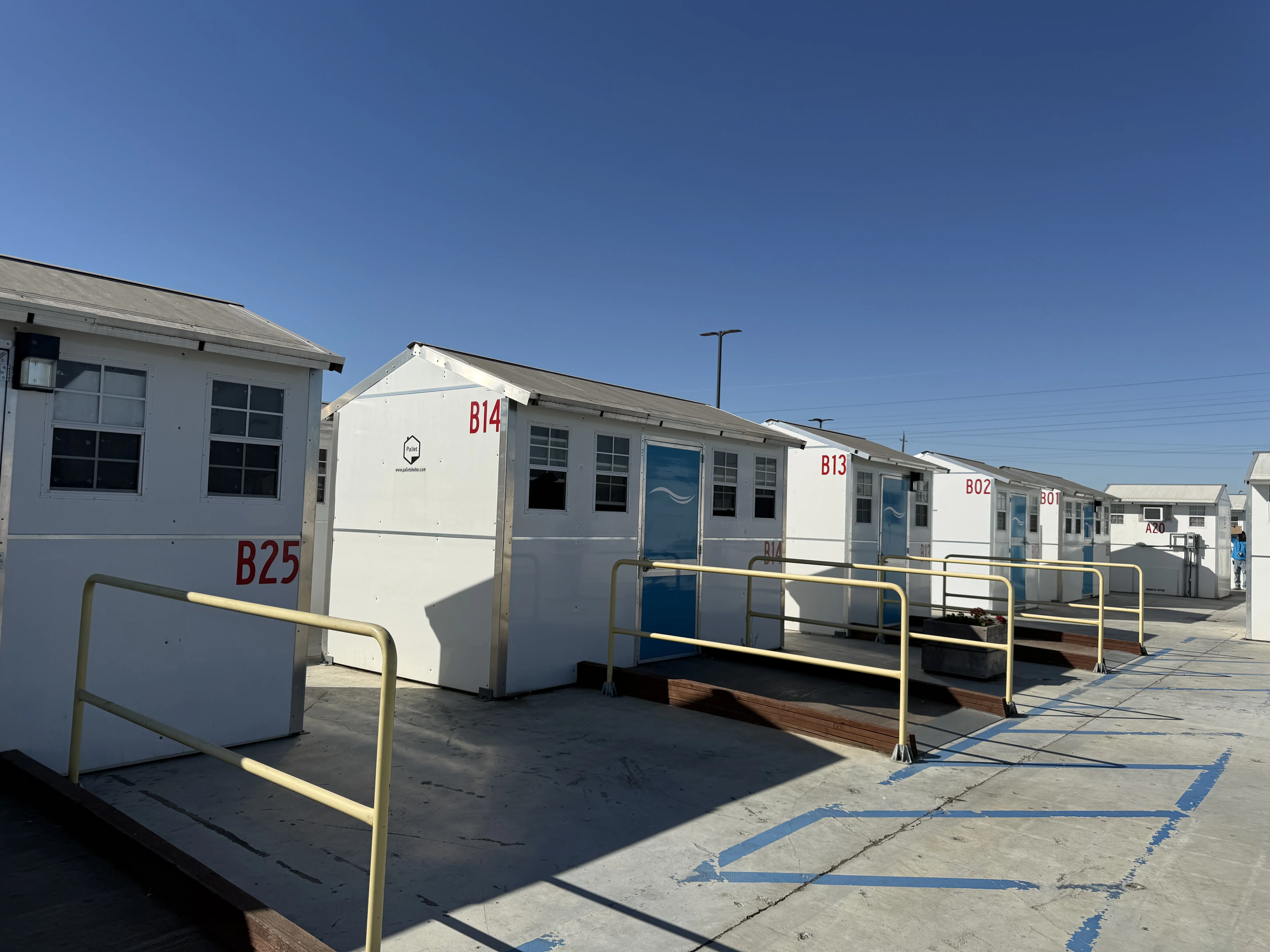
Implementation teams deployed modular housing units and converted vacant hotels into short‑term shelters, focusing on veterans, families with children, and individuals exiting the criminal‑justice system. By the end of the fiscal year, officials reported that more than 7,200 occupants had moved from streets or cars into these interim homes, a figure the governor touted as a tangible step toward his “housing for all” pledge.
In a press conference, Newsom declared the effort a “critical bridge” while acknowledging that the broader crisis remained unresolved. City mayors and county supervisors praised the infusion of resources but cautioned that the surge in shelter capacity had not yet outpaced the growing number of people experiencing chronic homelessness, as reflected in the latest state‑wide count.
In-Depth Analysis & Key Details
The roots of California’s homelessness surge trace back to decades of restrictive zoning, skyrocketing rental markets, and insufficient affordable‑housing production. Since the early 2000s, the state’s vacancy rate for low‑income units has hovered below 2%, a structural deficit that intensified after the 2008 financial crisis and the 2020 pandemic‑related economic shock.
Policy analysts note that Newsom’s rapid‑housing strategy diverged from earlier, more incremental approaches by leveraging emergency funding streams and private‑sector partnerships. Critics argue that while the temporary units provide immediate relief, they do not address the underlying scarcity of permanent, affordable homes, leading to a cyclical pattern of short‑term fixes.
Industry observers point to the tension between local opposition to new construction—often framed as “NIMBY” resistance—and state‑level mandates that aim to streamline permitting. The governor’s recent executive order, which temporarily suspends certain local zoning approvals, reflects a broader regulatory push to accelerate housing supply, yet its long‑term efficacy remains contested among urban planners and community groups.
"The governor’s last‑minute housing blitz offers a glimpse of what is possible, but without a durable pipeline of affordable homes, it merely patches a wound that keeps reopening."
Why This Matters & What Lies Ahead
For Californians living on the margins, the expansion of emergency shelters can mean the difference between a night on the street and a roof over their heads, directly influencing health outcomes, employment prospects, and public safety. Moreover, the visibility of encampments in affluent suburbs and downtown cores has amplified voter pressure on local officials to act, reshaping municipal budget priorities and prompting a wave of ballot initiatives aimed at housing reform.
Looking ahead, the state legislature is slated to vote on a comprehensive housing bill in early 2025 that would allocate an additional $3 billion for low‑income development and impose stricter timelines on local zoning approvals. Simultaneously, a federal lawsuit challenging California’s temporary shelter standards is set for a hearing in the Ninth Circuit later this summer, a case that could set precedent for how states balance emergency relief with long‑term housing obligations.
Source: Reported by NPR · Analyzed & Synthesized by DNB Newsroom