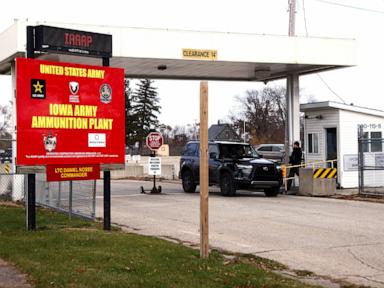
Army representatives confirmed that a planned demolition of lead azide will be carried out at the Iowa Army Ammunition Plant in Middletown, Iowa, at approximately 9 a.m. Central Time on Wednesday. The plant, a Cold‑War‑era facility that has stored a variety of munitions for decades, has been the focus of a federal cleanup effort aimed at removing hazardous explosives from active service.
The operation will involve a controlled blast designed to safely destroy the compound while limiting shock to surrounding infrastructure. Safety perimeters have been established, and local fire, police and hazardous‑materials teams are on standby to respond to any unforeseen release. The Army’s engineering unit will oversee the charge placement and timing, ensuring compliance with Department of Defense disposal standards.
In a brief statement, an Army spokesperson emphasized that the detonation represents a “critical step toward eliminating a persistent safety risk” and thanked state officials for their cooperation. Nearby residents were advised to stay indoors during the brief window, and environmental groups pledged to review post‑detonation monitoring data.
In-Depth Analysis & Key Details
Lead azide, first synthesized in the early 20th century, has long served as a reliable primary explosive in detonators but poses significant stability challenges, especially after decades of storage. The Iowa plant’s cache dates back to the height of U.S. munitions production in the 1940s and 1950s, and earlier attempts to neutralize the material were repeatedly delayed due to technical and funding constraints.
Regulatory oversight of such disposals falls under the Environmental Protection Agency’s Toxic Substances Control Act, which mandates thorough risk assessments and public notification. Critics have argued that the Army’s timeline compresses necessary environmental safeguards, while proponents contend that a controlled detonation is the most practical method given the compound’s sensitivity to heat and friction.
Defense analysts observe that the successful execution of this blast could set a precedent for other legacy sites, streamlining the costly process of chemically neutralizing or safely detonating aging explosives. Conversely, any mishap would likely trigger stricter congressional scrutiny and could delay future clearance projects across the nation’s military inventory.
"A safe, scheduled detonation of lead azide is the most responsible way to retire a legacy explosive that has lingered for decades."
Why This Matters & What Lies Ahead
For the surrounding community, the controlled blast eliminates a hidden danger that could otherwise manifest as accidental ignition, fire or contamination of groundwater. By removing the explosive, the Army also reduces insurance liabilities and paves the way for potential redevelopment of portions of the sprawling plant, which could generate jobs and tax revenue for the region.
The outcome of Wednesday’s operation will be closely watched by lawmakers drafting the next defense‑environmental appropriations bill, as well as by the EPA, which plans to release air‑quality monitoring results within weeks. Future milestones include a scheduled congressional hearing on legacy munitions disposal and a possible amendment to the National Defense Authorization Act that could tighten reporting requirements for similar detonations nationwide.
Source: Reported by ABC News · Analyzed & Synthesized by DNB Newsroom