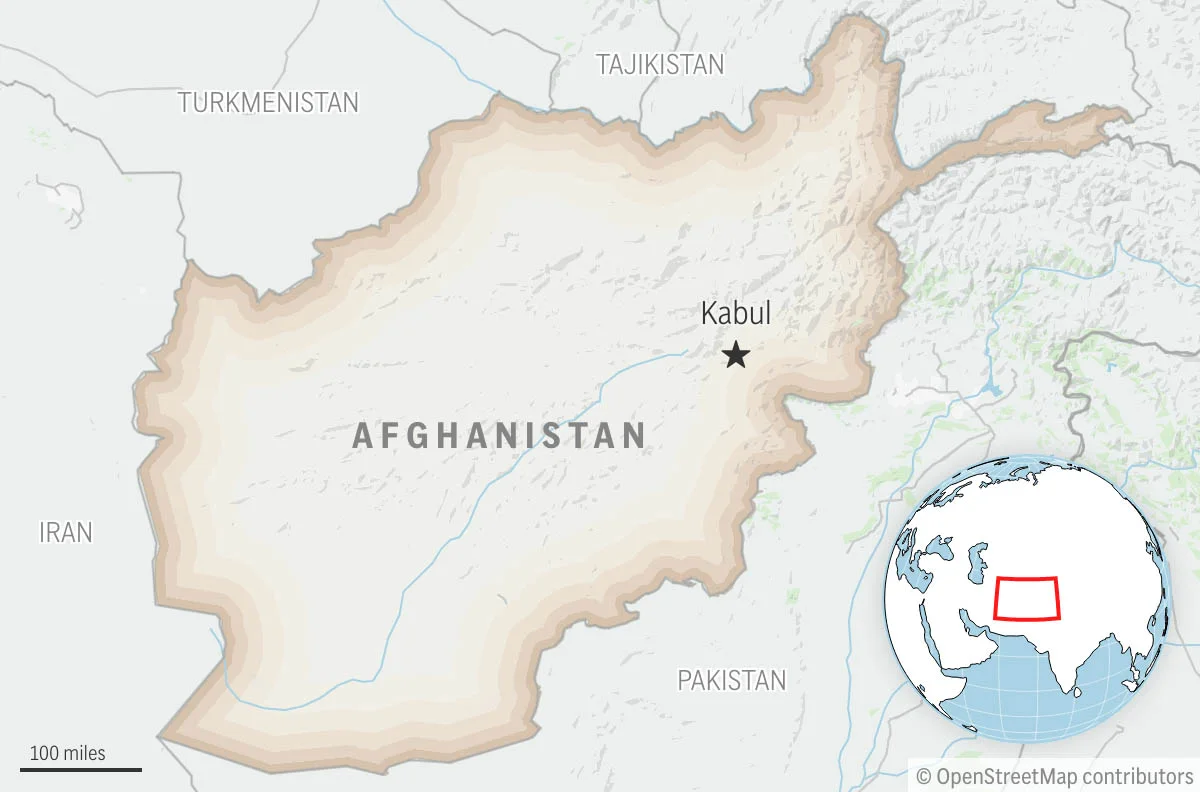
On Monday, the U.S. Citizenship and Immigration Services (USCIS) announced that the enforcement deadline for the removal of Afghan nationals, originally set for the end of 2024, would be postponed until the end of 2025. The decision came after a surge of legal challenges and humanitarian appeals filed by Afghan refugees, many of whom are women who fled the Taliban’s re‑ascendancy.
The announcement was made in Washington, D.C., where USCIS officials met with representatives from the U.S. Department of Homeland Security (DHS) and immigration advocacy groups. The meeting highlighted the complex status of Afghan women who arrived under the Special Immigrant Visa (SIV) program, which was designed to protect those who assisted U.S. forces during the Afghanistan conflict.
In a statement released to the press, a USCIS spokesperson emphasized that the extension “provides a critical window for families to secure legal status and plan for their long‑term future.” DHS officials added that the decision would “reduce the risk of sudden displacement for vulnerable individuals.” Afghan advocacy groups, however, warned that the extension may not address the underlying legal uncertainties that many women face.
In-Depth Analysis & Key Details
The policy shift is rooted in a broader historical context of U.S. engagement in Afghanistan, where the SIV program was initially launched in 2009 to protect Afghan allies. The rapid collapse of the Afghan government in 2021 and the Taliban’s return to power created an unprecedented influx of refugees, many of whom had no alternative safe haven.
Regulatory debates now focus on balancing national security concerns with humanitarian obligations. Congressional hearings have highlighted the tension between the need to enforce immigration laws and the moral imperative to protect those at risk of persecution. Economists argue that prolonged uncertainty can hamper integration efforts, affecting both labor markets and public service costs.
Industry analysts note that the legal limbo faced by Afghan women mirrors challenges seen in other refugee populations, such as Syrian and Central American migrants. The U.S. immigration system’s reliance on discretionary approvals and the backlog of asylum cases have contributed to a climate of anxiety among affected families. Human rights advocates continue to push for clearer pathways to permanent residency for those who assisted U.S. operations abroad.
"The extension is a temporary reprieve, but it underscores a deeper crisis where legal status and safety remain inextricably linked."
Why This Matters & What Lies Ahead
For everyday readers, the situation highlights the fragile nature of refugee protection in a shifting geopolitical landscape. The uncertainty faced by Afghan women reverberates through communities, influencing local economies, educational institutions, and public health services.
Key upcoming milestones include the scheduled federal court hearings on the SIV program’s eligibility criteria, set for early next year, and a congressional vote on a proposed bill that would streamline the permanent residency process for Afghan allies. These developments will shape the trajectory of U.S. refugee policy and set precedents for future humanitarian interventions.
Source: Reported by CBS News · Analyzed & Synthesized by DNB Newsroom