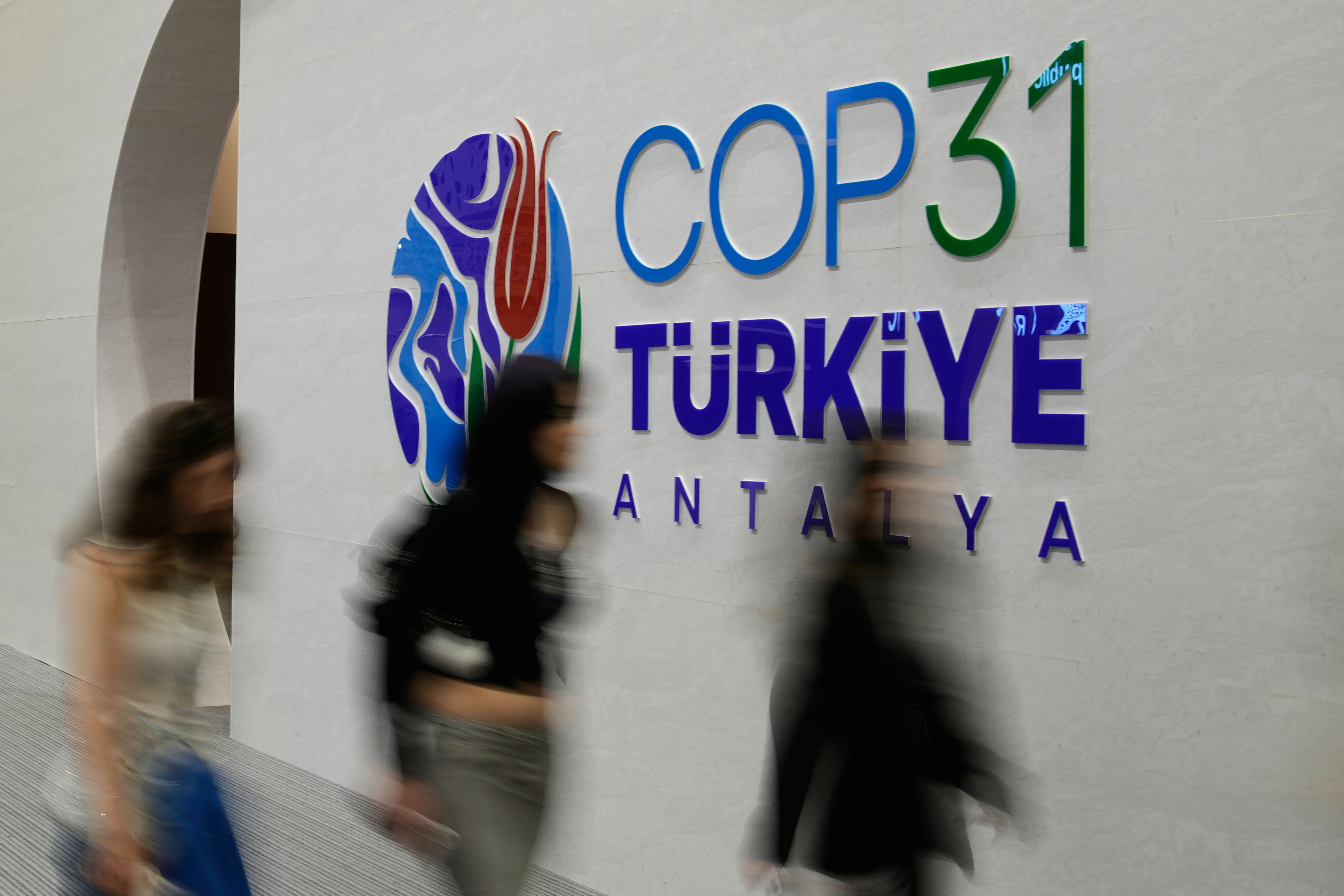
The 31st United Nations climate summit, held in Glasgow, collapsed on Thursday when delegates could not reach a consensus on a clause that would explicitly mention fossil fuels as a source of global warming.
The impasse unfolded in the final days of the conference, as the European Union, the United States, and several other high‑emitting nations insisted that the language be added to the final agreement. The draft, prepared by the UN Secretariat, omitted any direct reference to fossil fuels, a move that the EU and its allies deemed a strategic concession to the fossil‑fuel industry.
In a statement released by the UN, negotiators noted that the failure to agree on the wording meant that the conference would close without a binding outcome. The EU’s delegation issued a brief comment, emphasizing that the omission could undermine the Paris Agreement’s goals, while the United States expressed disappointment at the lack of progress.
In-Depth Analysis & Key Details
Historically, the inclusion of fossil‑fuel language has been a flashpoint in climate negotiations, dating back to the 2015 Paris Agreement where the term “fossil fuels” was explicitly referenced to underscore the need for a transition. The absence of such language at COP31 echoes earlier compromises, such as the 2022 Paris climate talks, where industry concerns over regulatory certainty led to watered‑down language.
The debate reflects a broader clash between economic interests and environmental imperatives. Industry analysts point out that a clause naming fossil fuels could trigger stricter regulatory scrutiny and potentially increase compliance costs for energy companies. Conversely, climate advocates argue that such language is essential for holding emitters accountable and for mobilizing public support for decarbonization.
Regulatory filings from major oil and gas firms indicate a growing willingness to engage in voluntary carbon markets, yet they remain wary of binding commitments that could limit their operational flexibility. In contrast, renewable energy companies have lobbied for stronger language, citing the need for clearer policy signals to secure investment. The tension between these sectors illustrates the complex interplay of market forces and policy frameworks that shape global climate governance.
"NPR’s analysis notes that the failure to include fossil fuel language marks a pivotal moment in climate diplomacy, highlighting the deepening divide between emission leaders and the EU."
Why This Matters & What Lies Ahead
For everyday readers, the outcome of COP31 directly affects the trajectory of climate policy that influences everything from energy prices to job creation in clean‑energy sectors. The lack of a decisive agreement may delay the rollout of subsidies for electric vehicles and renewable infrastructure, potentially widening the gap between developed and developing economies.
Looking ahead, stakeholders should monitor the upcoming UN climate conference in 2025, where the inclusion of fossil‑fuel language could become a central agenda item. Additionally, the European Parliament’s scheduled vote on a new emissions trading directive will serve as a key indicator of how the EU intends to navigate the post‑COP31 climate landscape. These milestones will be critical for policymakers, investors, and the public to gauge the momentum of global climate action.
Source: Reported by NPR · Analyzed & Synthesized by DNB Newsroom