dailynewsnblog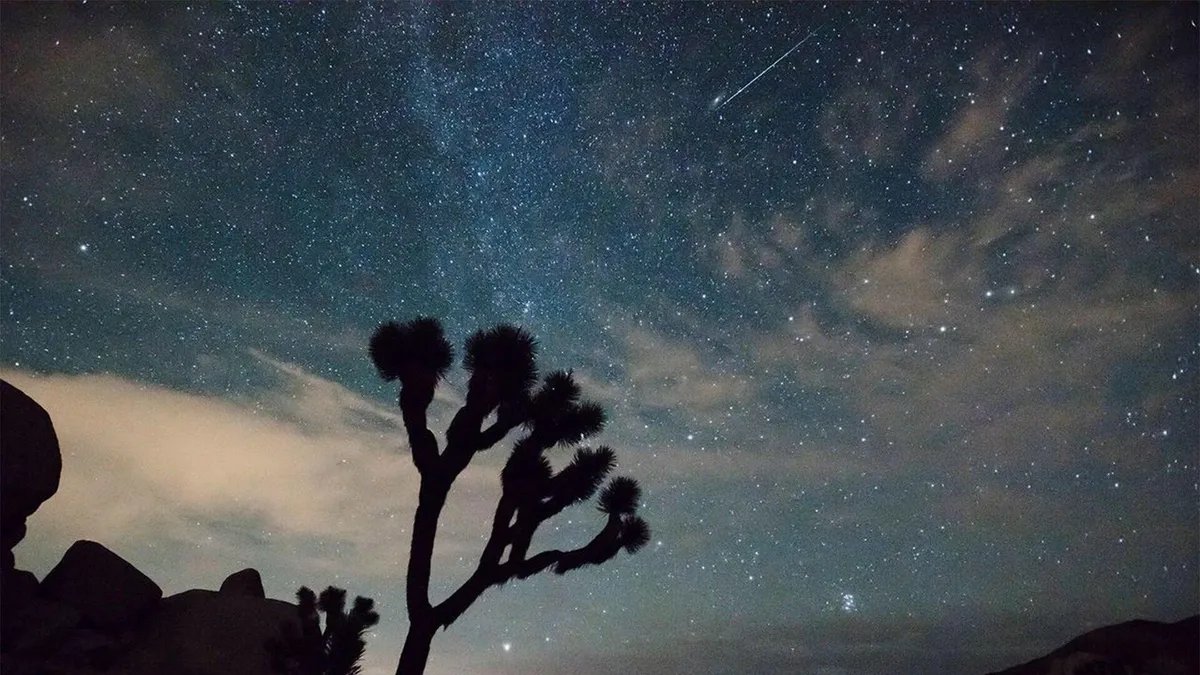
Get ready, skygazers. You can start marking your calendar for upcoming meteor showers, with April kicking off a much more active stretch for skywatchers in the Northern Hemisphere.
After a long lull at the start of the year — when the Quadrantids meteor shower peaked just after New Year’s, and little else followed — meteor activity is finally picking up again, bringing two showers into view as the month begins.
The first meteor shower is the Lyrids, which begins on April 14 and continues until the end of the month. This is a relatively minor meteor shower fed by the C/1861 G1 comet, also known as Thatcher after its discoverer, A.E. Thatcher, in 1861. It’s a long-period comet that takes 415.5 years to orbit the sun.
The Lyrids meteor shower peaks on April 21-22 and will produce somewhere between 15 and 20 meteors per hour under optimal conditions. Per the American Meteor Society, the peak should occur on the evening of April 22, so if you can only make it out for one of the two nights, the second night is expected to be the better viewing experience.
The second meteor shower starting in April is the Eta Aquariids. This meteor shower begins on April 19 and spans for over a month, wrapping up on May 28. This is the stronger of the two meteor showers with an expected peak of roughly 50 meteors per hour, depending on where you view them from. The Eta Aquariids shower is known for its fast meteors and persistent tails that stick around for a little longer after the meteor has disappeared.
The 1P/Halley comet feeds it, the same one that feeds the Orionids meteor shower every October. Its peak should be May 5-6. The further south you are, the more meteors you can expect to see, and the opposite is true the further north you go. The best place to view this meteor shower is in the tropics.
Meteors from the Lyrids meteor shower will appear to originate from the Lyra constellation, which rises in the eastern skies during April.
How to see Lyrids and Eta Aquariids
Meteor showers come with a built-in trick for finding them. They are named for the constellations where the meteors appear to originate. This origin point, known as the radiant, is where you want to be looking.
The Lyrids meteor shower originates from the Lyra constellation, which is close to the larger Hercules constellation. Both of them rise from the eastern sky shortly around 11 p.m. local time. It will then follow a similar trajectory to the sun, streaking overhead before setting in the west. Sunrise happens long before the constellations actually set, so if you’re waking up early to view these, you’ll want to look high in the western sky.
Meteors from the eta Aquariids will appear to originate from the Aquarius constellation, visible on the eastern horizon a few hours before dawn during April and May.
The Eta Aquariids shower is more difficult to view. It originates from the Aquarius constellation, which spends most of the night of May 5-6 below the eastern horizon. The constellation rises around 3 a.m. local time and will only barely breach the horizon before sunrise a few hours later. If you go out to view the eta Aquariids, get up high and point yourself east.
If you’re having trouble finding the constellations, your best bet is using a sky map app like StarWalk (Android and iOS) or using web tools like Stellarium’s Sky Map. Such tools can help you identify where the constellations will be. For meteor shower viewing, all you really need is the general direction, but there’s no harm in knowing how to find the constellation.
Tips for viewing meteor showers
The advice for viewing meteor showers is the same, no matter how big or small the shower is. The single biggest advantage you can give yourself is getting as far away from light pollution as you can. This means leaving the city and the suburbs behind in favor of greener, dimmer pastures.
The moon can significantly impact viewing. This won’t be a problem for Lyrids since the moon is expected to be about a quarter full during Lyrids’ peak. Eta Aquariids viewers aren’t so lucky since the moon will be about 80% full that night, which will cause significant light pollution. The American Meteor Society says that the shower’s peak may be up to 50 meteors per hour, but with the moon that close to full, people can expect closer to 10.
Other than light pollution, the advice is pretty simple. Make sure to get out there early so your eyes can adjust, and avoid using any bright lights that could affect your night vision. Since meteor shower watching can be a multihour activity, make sure to dress appropriately for the weather and abstain from alcohol, since it acts as a vasodilator and can cause you to lose body heat more quickly on cold evenings.
You won’t need any equipment since meteors are visible to the naked eye. Telescopes and binoculars will reduce your field of view, which may cause you to miss meteors.