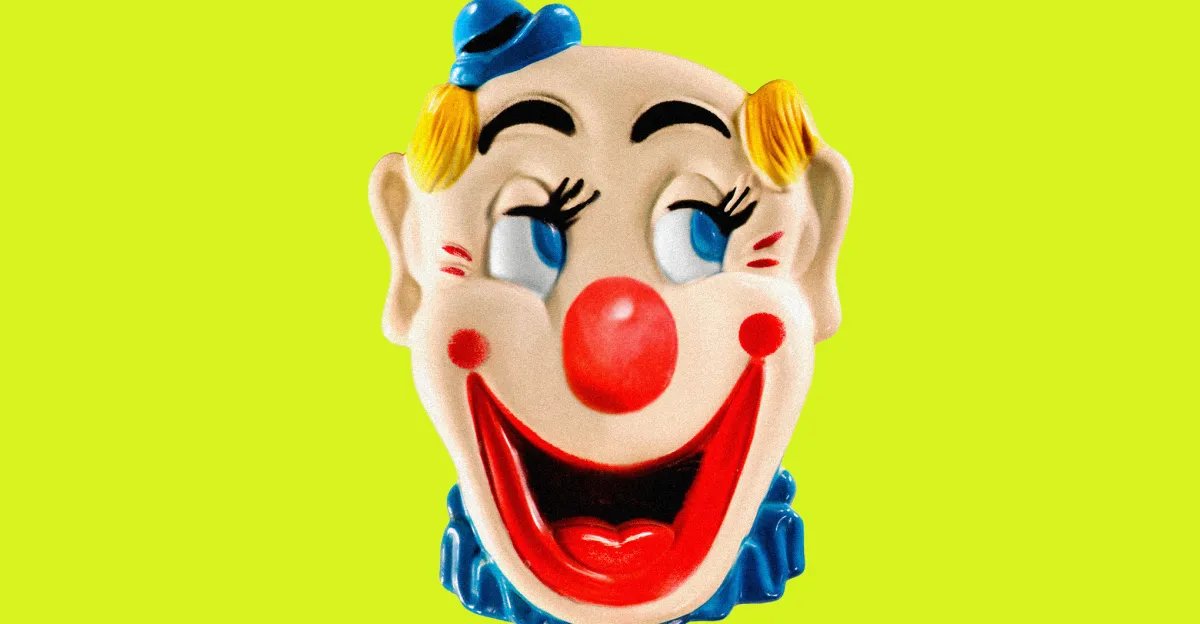
April Fools’ Day 2026: the best and cringiest pranks


Welcome to the worst day on the internet! As Chaim Gartenberg pointed out years ago, brands and a holiday dedicated to hoaxes are rarely a winning combo. If you’re a company with any kind of social media, internet, or AI chatbot presence in 2026, you really, truly only have four options on April Fools’ Day:

If you see anything that particularly sticks out for good, bad, or just unusual reasons, send it to us.


Source link

  • Related Posts

    Trump’s birthright citizenship ban may fail — but the administration already got too far

    On Wednesday morning, the Supreme Court heard arguments in Trump v. Barbara, a case challenging President Donald Trump’s 2025 executive order banning birthright citizenship. Justices seemed skeptical of the administration’s…

    Here’s what that Claude Code source leak reveals about Anthropic’s plans

    Yesterday’s surprise leak of the source code for Anthropic’s Claude Code revealed a lot about the vibe-coding scaffolding the company has built around its proprietary Claude model. But observers digging…

    Leave a Reply

    Your email address will not be published. Required fields are marked *

    You Missed

    Trump’s birthright citizenship ban may fail — but the administration already got too far

    Trump’s birthright citizenship ban may fail — but the administration already got too far

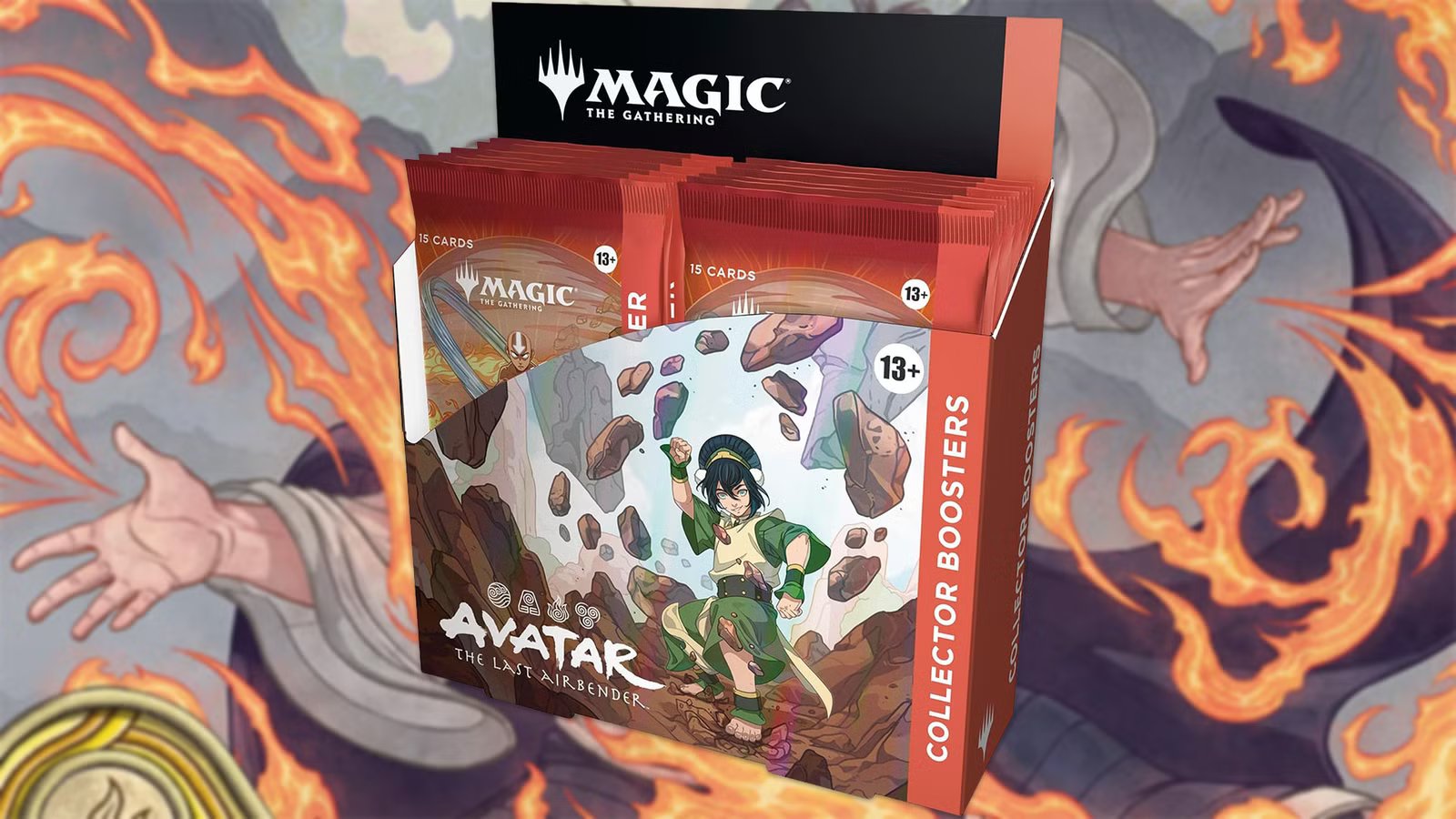
    MTG’s Avatar Collector Booster boxes are currently $100 off on Amazon

    MTG’s Avatar Collector Booster boxes are currently $100 off on Amazon

    Abaxx Submits Comments to the National Institute of Standards and Technology on AI Agent Identity Standards

    Penny Wong to join talks with 35 countries, excluding US, to explore ways to reopen strait of Hormuz | Australian politics

    Penny Wong to join talks with 35 countries, excluding US, to explore ways to reopen strait of Hormuz | Australian politics

    Return to the moon driven by courage and curiosity

    Return to the moon driven by courage and curiosity

    Information equalisation and competition in selection markets: Evidence from auto insurance