dailynewsnblog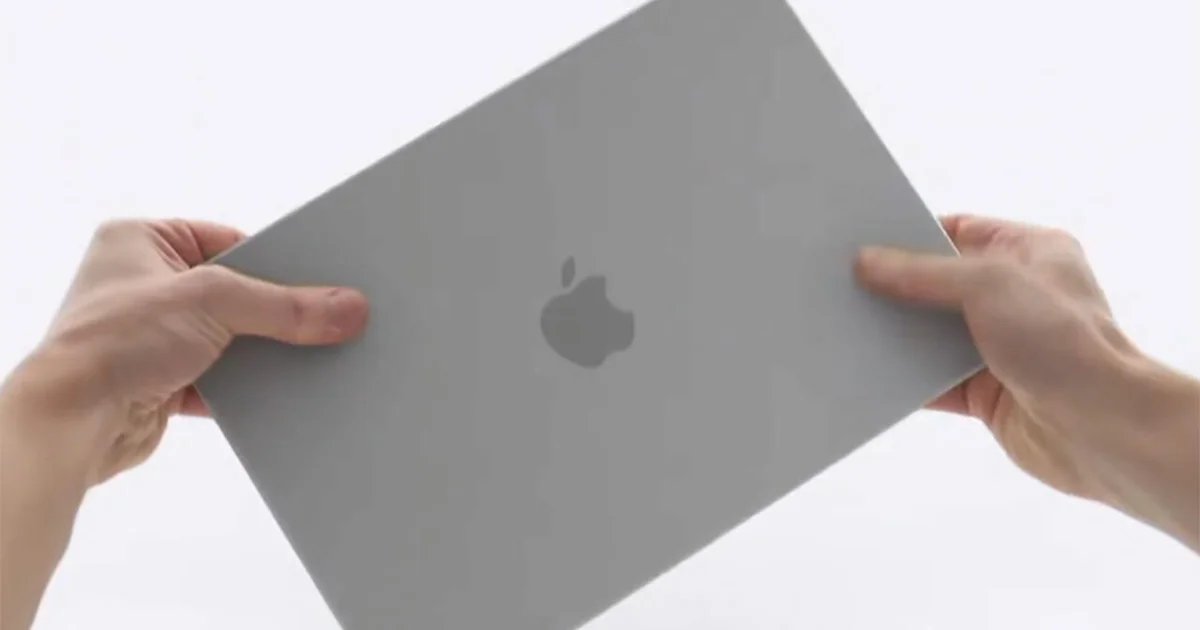
At this moment, 2.5 billion people – a population bigger than China’s – own Apple products. But it all started on a sidewalk near Cupertino, California, where, in 1971, engineering prodigy Steve Wozniak met a charismatic, rebellious high-schooler named Steve Jobs. “And who was to know there was gonna be a company in the future?” Wozniak said.
In 1975, few people had ever even seen a computer. But Woz built one (it was little more than a circuit board), and Jobs proposed selling it. “Steve Jobs wanted a company, and did it. And I was his resource!” Wozniak laughed.
Apple 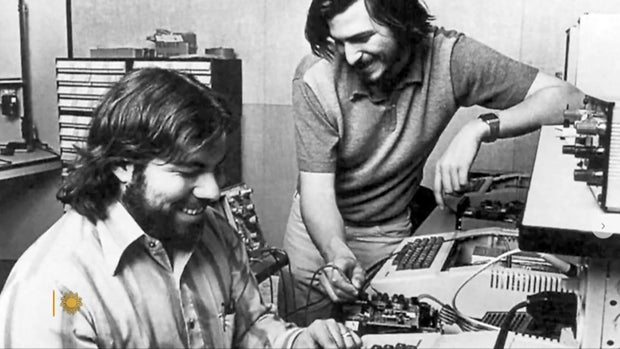
They sold 150 of Woz’s first computer. They sold six million of his second, the revolutionary Apple II. “It was so far above any of the other computers coming out!” Wozniak said. “We didn’t foresee the future, the way it turned out. But we said, ‘For today, we’re taking a step forward ahead of others.'”
Apple took a very big step forward in 1984. The Macintosh was Jobs’ passion project: the first affordable computer with a mouse, menus, and friendly graphics.
But darker times were ahead. After a power struggle with CEO John Sculley, Jobs left Apple for 11 years. The company started sliding into irrelevance.
“It was bleak, to be honest,” said CEO Tim Cook. “The company had very little cash, and we had lost our way.”
After Jobs returned in 1997, he hired Cook as his new head of operations. “I saw in Steve something I’d never seen in a CEO before. He is a once-in-a-thousand-years kind of person,” Cook said.
Jobs and his team pulled off what is widely regarded as the greatest turnaround in business history. Jon Rubinstein, Jobs’ head of hardware, said, “We basically completely restructured the company, and set it on the path for where it is today.”
Asked what it was like working for Jobs, Rubinstein replied, “He could be absolutely brutal. He wanted to get the best out of the team. And he wanted us to do the impossible sometimes – and you know, we would pull it off!”
Jobs and chief designer Jony Ive met every day to obsess over the details of the products’ designs – and a golden age began. The translucent iMac became the bestselling computer in history. The iTunes Store was the first successful online music story, and it turned the music industry upside-down. And the iPod was the first Apple product to sell in the hundreds of millions.
Paola Antonelli, a curator of design at New York’s Museum of Modern Art, said, “There are many, many Apple products in the MoMA collection, dozens of them.”
CBS News 
Including the iPod, which allowed users to navigate through songs not by clicking, but by scrolling with a wheel. “It feels so smooth, it’s just very natural,” Antonelli said. “Definitely there is a pleasure. There’s really a moment of wonder. Design is for all of us, and Apple’s success is a testament to that.”
And then in 2007. Jobs announced three new products: an iPod. A phone. And an internet communicator. It was three devices in one: the iPhone.
As he demonstrated: “I just take my finger, and scroll!”
Nobody had ever before touched their data.
The iPhone changed everything. It became our camera, our TV, our newspaper, our game console. It gave rise to Uber, Airbnb, DoorDash, Venmo and Tinder.
And it fueled the rise of social media, raising concerns about screen time, mental health, and isolation.
In 2010, the iPad was another massive hit. But Steve Jobs was dying. As he succumbed to pancreatic cancer, Jobs asked Cook to succeed him as CEO: “He called me over to his house, and his advice to me was, ‘Never ask what I would do. Just do the right thing.’ And I’ll never forget that.”
For Cook, the right thing was a new emphasis on sustainability and inclusiveness, and a deep dive into services, like Apple Pay, Apple TV and Apple Music, which now generate over $100 billion a year.
Since Cook took over, Apple has roughly tripled in size, and its stock is up 1,600 percent.
As Rubinstein said, “What we set out to do, we set out to save the company. The side benefit of that was we changed the world.”
But challenges lie ahead: a reliance on China for its manufacturing; the threat of presidential tariffs; and the perception that Apple is lagging in artificial intelligence.
Simon & Schuster 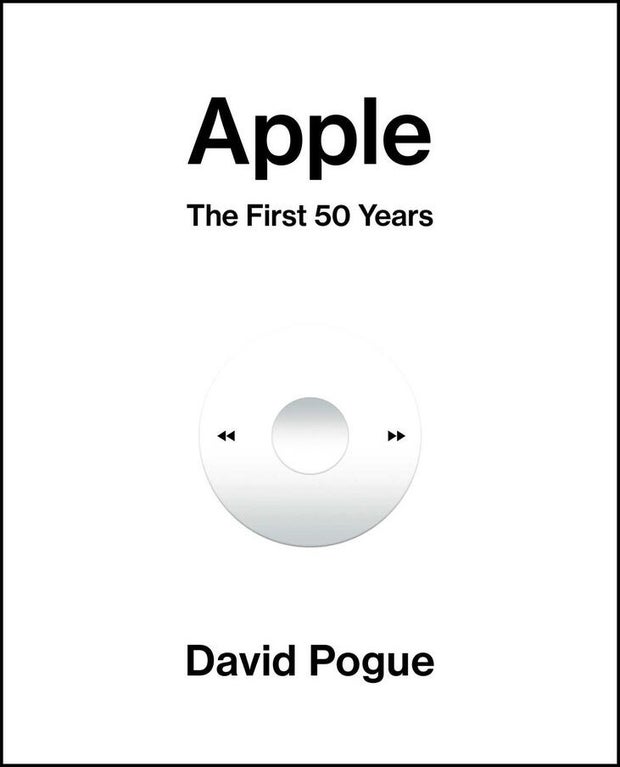
But Cook believes that Apple’s traditional values – dating back to the two Steves – will see it through: “Ideas about building something insanely great was there in the early days; that you say no to a thousand things, to say yes to the one that’s truly important; and that when you do something, you should do it at an excellence level where good isn’t good enough.”
Steve Wozniak would agree: “Apple’s reputation definitely is, you know, sprung from us, and the culture. It’s hard to be 100% perfect, but I still admire Apple the most of all the tech companies.”
Asked what he would say has been Apple’s effect on the world has been in its first 50 years, Cook replied, “It’s the sum of what everyone has done with all of the products that we’ve made. It’s the artists, it’s the musicians, it’s the everyday people who have done remarkable things to change the world. And that’s the reason we look forward to the next 50, and the next hundred.”
WEB EXCLUSIVE: Watch an extended interview with Tim Cook (Video)
READ AN EXCERPT: “Apple: The First 50 Years” by David Pogue
LIVE EVENT: Join us as Lee Cowan talks with David Pogue about his new book, “Apple: The First 50 Years,” at the 92nd Street Y in New York City, Thurs., April 16 at 8 p.m. Tickets are available for in-person or streaming access.
For more info:
Story produced by John Goodwin. Editor: Remington Korper.