dailynewsnblog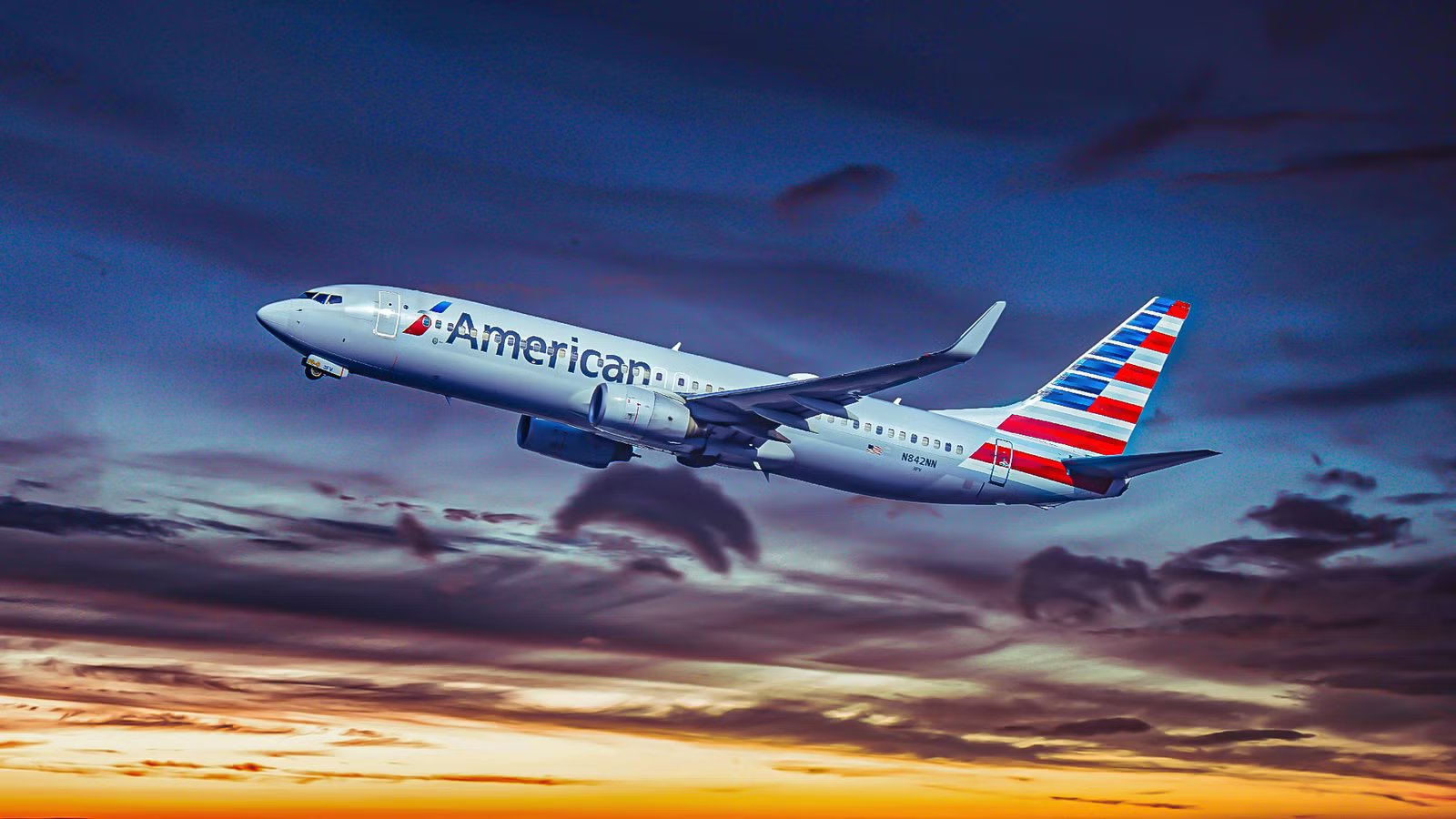
 American Airlines has blasted
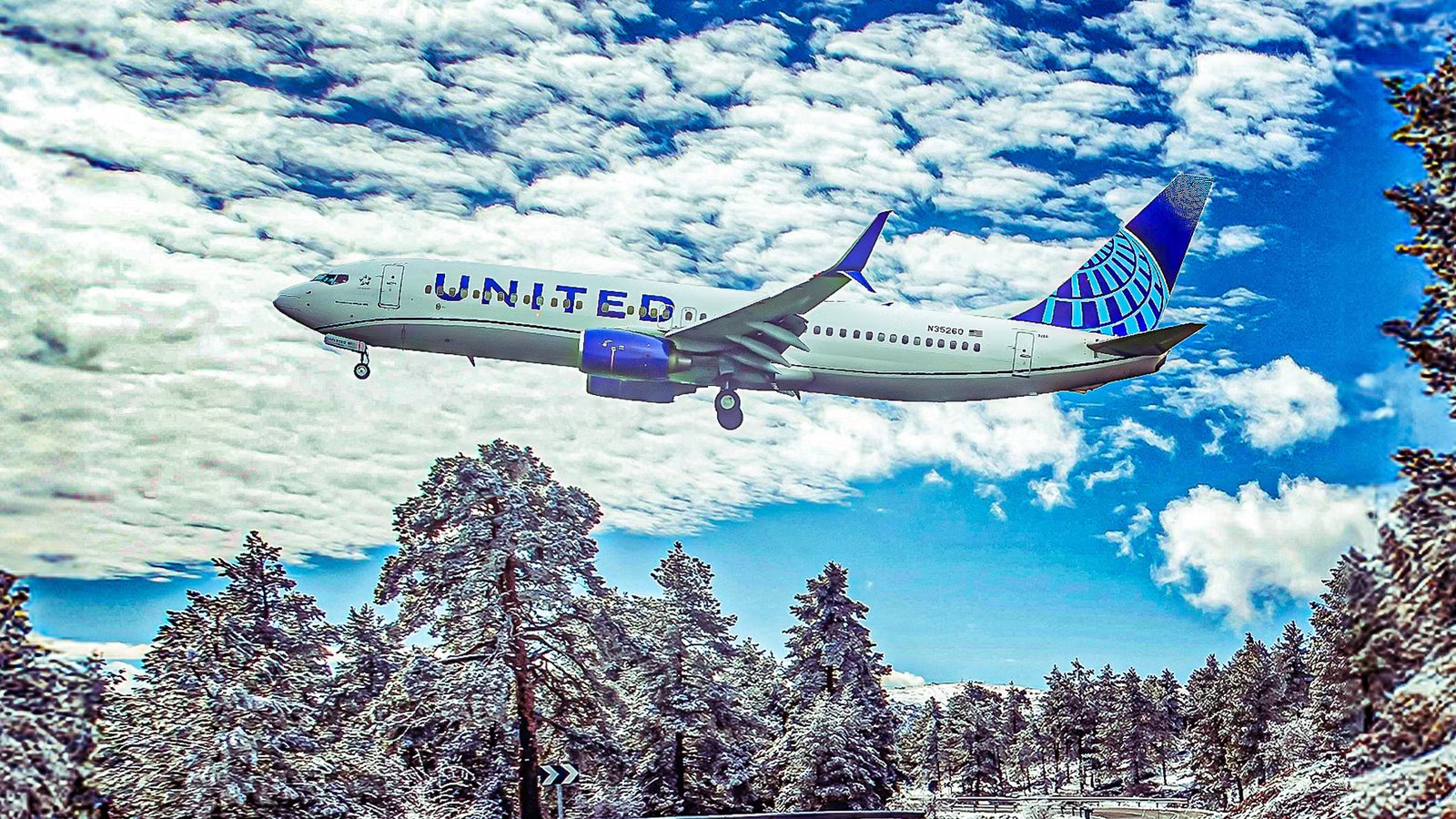
  United Airlines for intentionally overscheduling flights at Chicago O’Hare in an effort to win more market share. United has scheduled a massive 34% year-on-year increase out of O’Hare, which is already the busiest airport in the US when measuring total flight movements.
The congestion has led the Federal Aviation Administration (FAA) to propose a 10% flight cut at O’Hare this summer, ensuring the airport does not exceed safety and capacity limits. American has commended the FAA’s proposal and placed the blame squarely on United, which it accuses of executing “a ploy to overschedule the airport” and abuse gate allocation rules.
American Criticizes United’s Chicago O’Hare Strategy

In an internal memo seen by Reuters, American chief operating officer, David Seymour, and chief commercial officer, Nat Pieper, told employees that United’s strategy will push  Chicago O’Hare International Airport (ORD) “well beyond what it can operationally handle,” inevitably leading to longer delays and the possibility of airport-wide operational meltdowns. According to the FAA, ORD is scheduled to see over 3,000 daily takeoffs and landings this summer season, much of which is driven by United’s surge in capacity.
Chicago O’Hare allocates capacity to airlines based on the level of flying they have logged in the previous year. With American eager to claw back the capacity it lost in the wake of the COVID pandemic, United has been aggressively “flooding the zone” with extra flights as a tactic to prevent American from regaining gates. In its own words, United said it would “draw a line in the sand” and add as many flights as possible to block AA’s efforts to win back market share. As per the American memo,
“This is not meaningful growth — [it is] a ploy to overschedule the airport to manipulate a provision which was meant to promote competition, seemingly without regard for ORD customers, team members or airport partners. United’s reactive overcapacity is meant to undermine ORD’s status as a dual hub, and one of the most well-served, competitive airports in the world.”
United Alone Will Exceed FAA Departure Limits

With United adding an average of around 130 additional daily flights this summer, this amounts to a staggering 34% year-on-year increase in flight movements. According to American, this means United will regularly exceed the FAA’s maximum departure rate at ORD multiple times each day. And this is just United’s operations alone, without taking into account flight movements from other airlines.
Although United remains the number one carrier at ORD, American holds over a 20% share and has been aggressively rebuilding its position. The dual-hub airport has been the scene of intense fighting between the two carriers, including various legal battles to add to the scheduling maneuvers.
Under the 2018 Airline Use and Lease Agreement (AULA), O’Hare has a system based on two gate categories — Preferential Use gates and Common Use gates — that determine access on a yearly basis. Preferential Use gates are assigned to long-term signatory airlines like American and United and are based on utilization rates. United was the beneficiary of five additional gates last October, a decision that prompted an American lawsuit, which was ultimately settled in favor of United.

In Battle For Gates At Chicago O’Hare, Judge Sides With United Over American
Chicago O’Hare is unique in serving as a hub for two of the largest US airlines.
Airlines Meet With FAA This Week

As reported by Simple Flying last week, the FAA wants to impose flight cuts at ORD this summer, stating that the airport’s airlines have overscheduled capacity. Its plan will see approximately 10% of flights at ORD cut during the upcoming IATA summer 2026 season, which runs from late March until October.
The regulator said its decision was made in light of airlines “overstretching” resources at ORD, with the airport scheduled to handle around 3,080 daily flight movements. However, airlines will meet with the FAA on March 3 to discuss the problem, with the FAA suggesting a figure of around 2,800 daily movements, which works out at just over 100 hourly departures and arrivals.