dailynewsnblog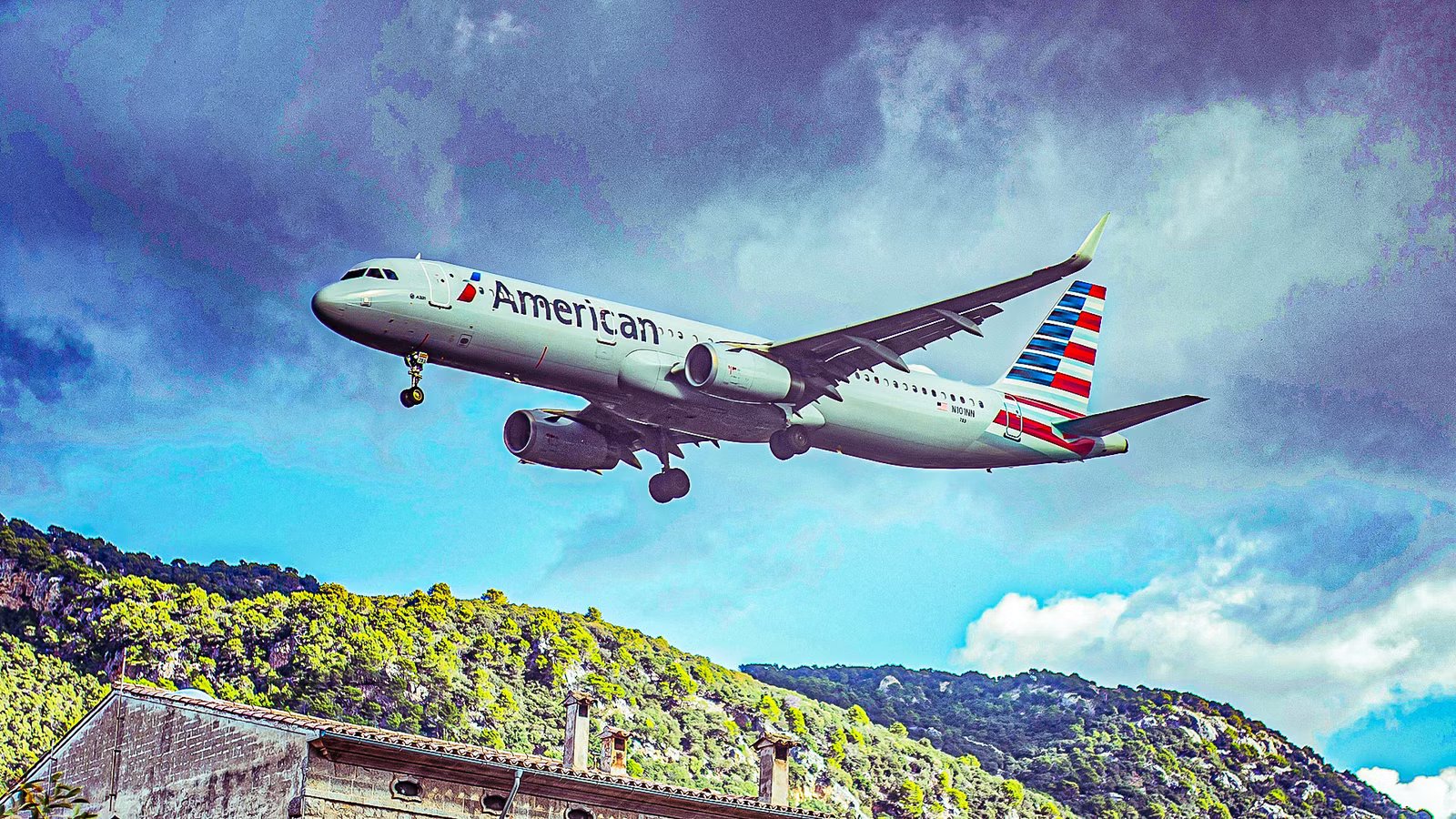
Disgruntled  American Airlines pilots have issued a strong warning to the airline’s management following its disastrous recent financial results. Although falling short of declaring a formal vote of no-confidence, the Allied Pilots Association (APA) — which represents over 16,000 American Airlines pilots — has stated it has lost confidence in the carrier’s current leadership.
With Delta Air Lines and United Airlines both pulling away from the pack with excellent financial results in recent years, American has struggled with minimal profits and operational shortcomings. As a result, pilots have stated there is a need for “decisive action” and called on the airline to get its “house in order” to correct its course.
American Pilots Call For Changes At The Top

As per a Bloomberg report, in a letter delivered to American’s leadership on Friday, union APA said its members had “lost confidence in management’s ability to course correct” following a difficult winter season and poor financial results. American’s profits plummeted by 87% in 2025 to just $111 million, whereas rivals Delta and United both reported profits in the billions. The airline’s pilots have cited their concerns that the current management’s failures are “deteriorating” the American Airlines brand as its competitors race ahead.
Importantly, the union did not call for CEO Robert Isom to step down, nor did it suggest an imminent vote of no-confidence was on the table. However, the union has been considering a formal vote in recent months, but has yet to proceed. Accusing the carrier of lacking a clearly-defined strategy to escape its current rut, the strongly-worded letter calls for the airline to “get its house in order.”
In its letter, APA said,
“Leadership must change the culture of this airline, define American’s business identity, develop a strategy to not just improve but to outperform our competitors, and restore pride across the organization. Anything less will result in the continued deterioration of the American Airlines brand.”
Union Seeks Board Meeting

APA leaders are pursuing a direct meeting with American’s board before taking any further action. Pilots want the union’s president, Nick Silva, to meet face-to-face with management and tackle the “persistent pattern of strategic shortcomings” that are behind its gradual loss of identity and performance.
American has struggled significantly this winter in the operational department, including being the worst-hit airline during the recent Winter Storm Fern travel chaos. However, this has only served to magnify the carrier’s longstanding inadequacies, with American consistently underperforming in metrics of reliability and timeliness compared to its rivals.
Pilots point to the recent Winter Storm Fern operational debacle, which saw American cancel 9,000 flights, far higher than its rivals Delta and United managed combined. Although the carrier blamed extreme weather for its Dallas-Fort Worth (DFW) and Charlotte (CLT) meltdowns, pilots claim it did not sufficiently prepare for the chaos, as well as breakdowns in its pilot scheduling system.

Hubs In Crisis: Is American’s Network Strategy Failing Its Pilots?
Is a crisis of confidence brewing at the world’s largest airline?
What Next For American?

American has a massive task ahead of it if it plans to emerge from its current crisis. CEO Robert Isom has consistently come under fire for the airline’s gradual decline, although there are no signs he plans on leaving. Although the airline has not published a transparent, detailed plan on its strategy to course correct, it is introducing multiple initiatives in 2026 and beyond.
One of these includes a major operational overhaul of its Dallas-Fort Worth (DFW) hub, a move that will help reduce delays and costs. As it stands, American says it is on track to reduce its debt to below $35 billion by the end of 2026, but its thinning profits remain a major cause for concern.
Another area often cited as a missed opportunity is the premium market, where Delta and United have pushed ahead. American management has already promised a shift towards premium, aided by the arrival of its new A321XLR fleet and major retrofits of existing aircraft, including its Boeing 777 fleet.