dailynewsnblog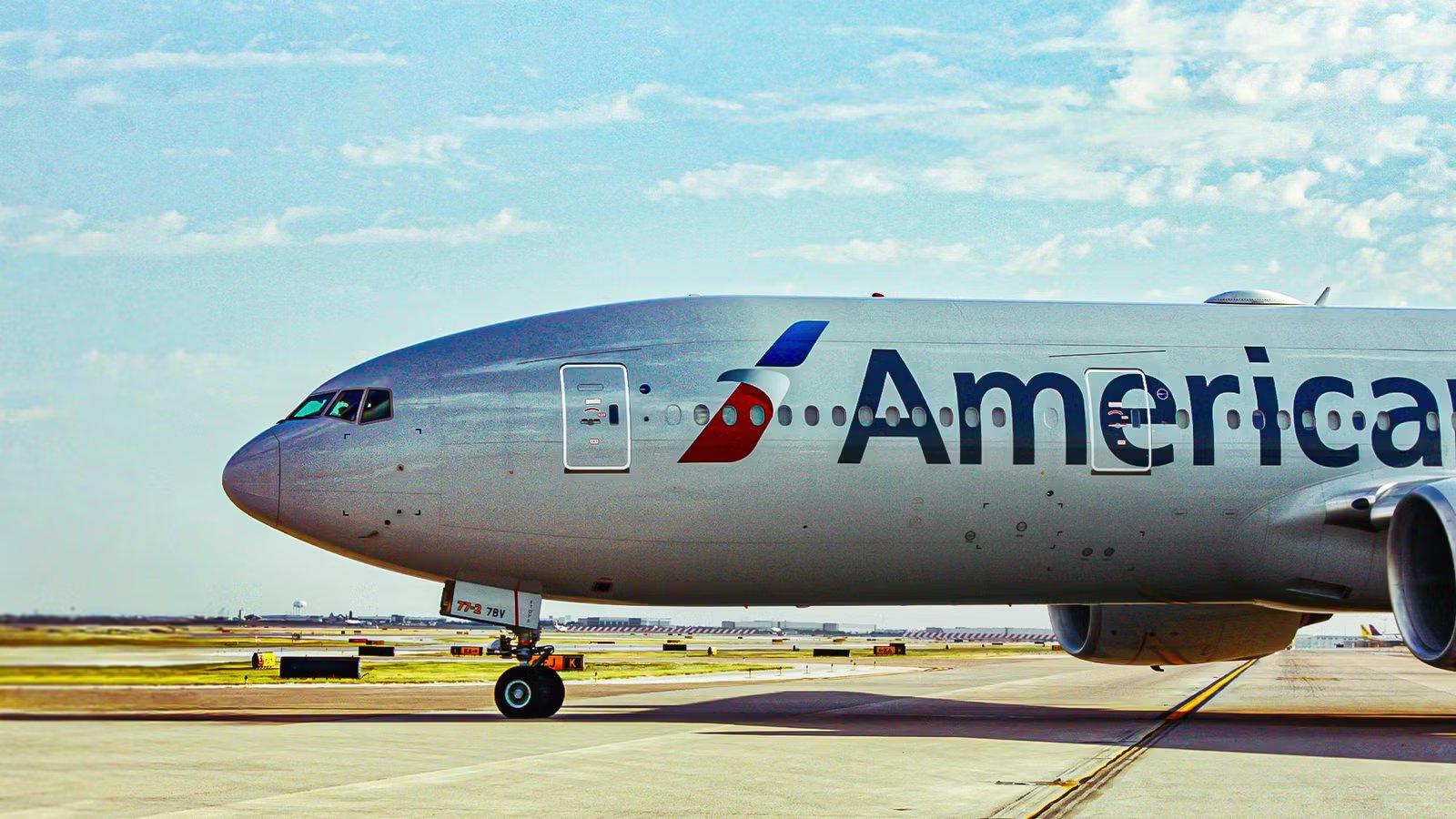
 American Airlines is investing in its essential hub and international gateway at
  Miami International Airport (MIA) with a transformative project that will make the new Concourse environment not only more modern but also feature a host of new premium lounges and customer amenities.
American is investing $1 billion into the larger $9 billion modernization effort underway at the airport, according to Bloomberg. The investment comes as the next step in a four-decade legacy through eras that American and Miami have shared.
Elevating The Miami Experience

The centerpiece of American’s investment is the Gate D60 expansion, scheduled to break ground in 2027 and reach completion by 2030. The project will convert the existing D60 area from its current purpose as a ground-level holding space for smaller regional jets into 17 new gates capable of handling larger regional and single-aisle airliners. The new three-level facility will eliminate outdoor boarding for regional flights.
The expansion includes a brand-new baggage handling system and direct third-level access to the US Customs and Border Protection (CBP) facility for international arrivals. The hub already enables American to be the largest US carrier to Latin America and the Caribbean. The new facilities and superior ground services will make operations more efficient and comfortable for travelers going to and from the nearly 70 destinations American serves in those regions.
The partnership between American Airlines and MIA goes back to 1989, when American acquired Latin American routes from Eastern Air Lines. American’s VP of MIA Operations, Juan Carlos Liscano, remarked on the project:
“American and Miami-Dade have built a partnership across decades that intertwines our success and vitality. We share a vision and legacy that has elevated Miami into the leading global gateway it is today.”
American’s Hot Summer Ahead

American Airlines expects to operate over 380 daily flights during the peak travel season of summer 2026. AA’s hub at Miami offers a portfolio of 155 destinations with travel opportunities to 45 different countries. As the largest International Gateway in the American Network, new Flagship Lounges and Admirals Clubs are designed to capture travelers from Delta and United.
The AA strategy is based on the steadily growing trend that shows overseas travel and premium flying products remain in high demand with flyers in the post-COVID-19 era of air travel. Replacing outdoor boarding and ground-level gates with proper jet bridges will not only improve turnaround time and passenger comfort but also increase operational reliability. Improving the resilience of the schedule at Miami will allow American to schedule a far higher volume of flights without increased risk of delays or other operational breakdowns.
Expansions in American’s destination docket include year-round service to Milan starting March 29, 2026. This route is slated to be the only year-round non-stop service between Miami and Milan and will be flown by a Boeing 787 Dreamliner, complementing the existing service to Rome International (FCO).
Earlier this month, American became the only carrier offering nonstop flights from the US to Bimini in the Bahamas (BIM). American is also expanding service to Argentina with up to three daily flights to Ezeiza International Airport(EZE) this summer, which is specifically aimed at soccer fans.

Miami Airport Eyes Up Long-Haul Connections With Asia
The facility is looking to expand global connectivity.
Don’t Forget The Cargo

American also operates the largest and most valuable cargo hub in its network at Miami Airport. AA’s air freight operation at Miami is the primary channel for air trade between the US and Latin America. Last year, operations at MIA recorded almost 3.5 million tons of cargo in the sixth year of record-breaking growth this vital artery of air commerce has enjoyed.
American Airlines’ cargo operation uses the lower deck, or belly cargo area, of passenger jets arriving and departing from Miami. Despite the absence of pure cargo-configured jetliners, the American operations still managed to move a massive amount of perishables as well as time-sensitive goods, like pharmaceuticals and biotech products.