dailynewsnblog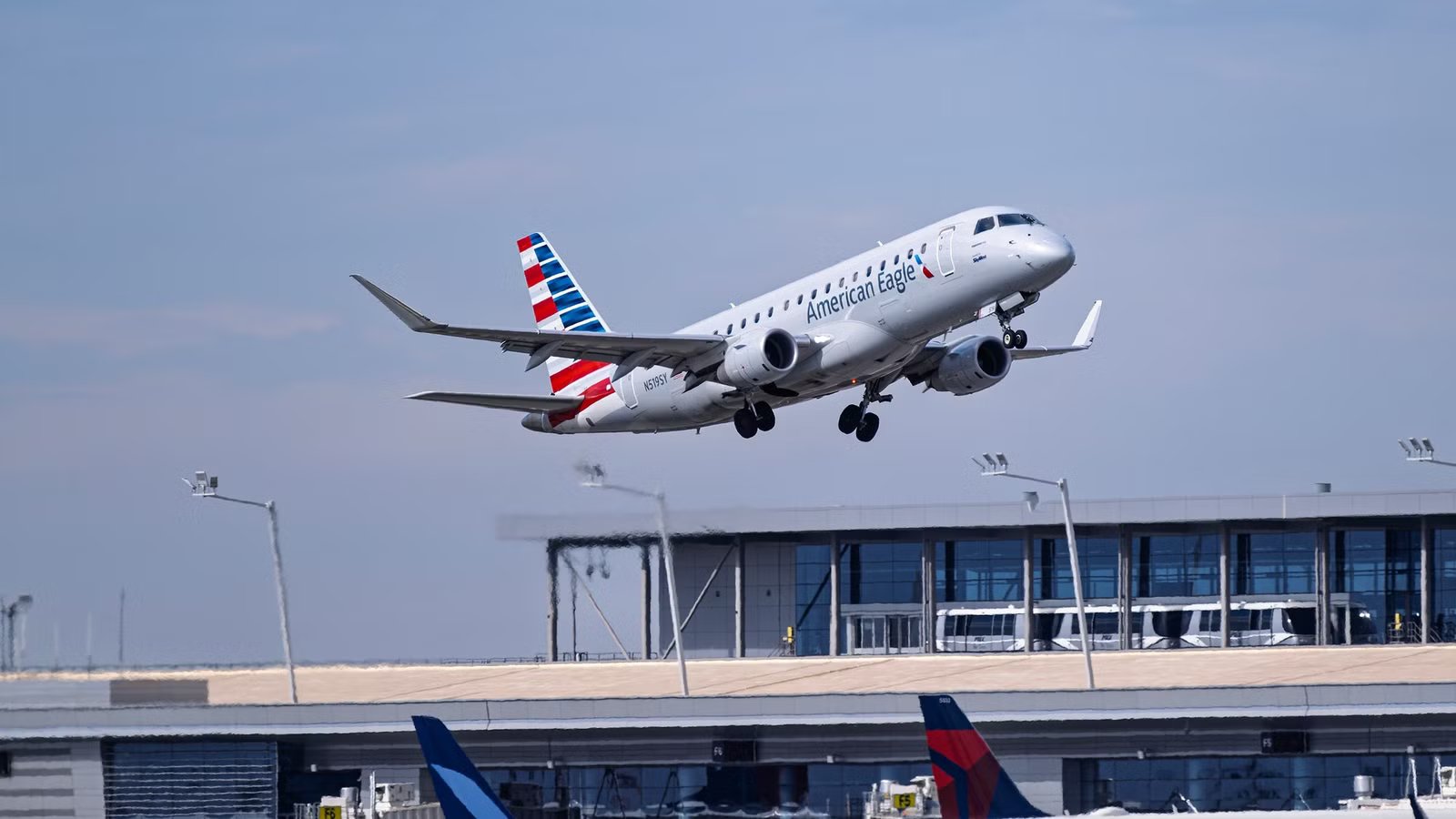
The  American Airlines labor story just received a rather unusual plot twist. Despite being under fire lately, American Airlines CEO Robert Isom just received high praise from a union leader. PSA Airlines’ flight attendants, a union representing regional crews that operate flights marketed under American Eagle, reached a tentative three-year contract featuring an immediate 10% overall wage bump, alongside boarding pay that was now worth roughly another 15-16% on average, alongside retro pay and scheduling upgrades as additional benefits.
Over the term of the deal, the union says that total compensation could rise as high as 30-50%, an impressive material raise. This comes as American’s other unions have heavily criticized management and the company’s chief executive specifically. A ratification vote is set to close March 6, 2026. For investors and travelers, it signals labor peace that can be purchased for a fixed price.
A Regional Airline-Specific Deal

The deal itself covers PSA Airlines, a wholly owned American Airlines subsidiary that flies as American Eagle. Negotiations have dragged on extensively since 2024, when the prior contract became amendable. The tentative agreement now in place runs three years and pairs pay increases with quality-of-life changes. An immediate 10% wage increase, additional wage-scale raises, retro pay, scheduling improvements, and more flexibility all make for a much more appealing contract.
The headline here is that cabin crew will now receive boarding pay, compensation for the time spent boarding passengers, which, for regional flights, is a considerable amount of time. Union leaders expect this to add around 15-16% to overall employee earnings, pushing all-in gains to roughly 30-50% overall. Union leaders have also highlighted the unusually short contract term, which brings workers back to the bargaining table even sooner. Voting on the new contract will close on March 6, 2026, and Sara Nelson credited Isom’s direct involvement.
American Wants To Nail Down Employee Reliability and Confidence

For American Airlines, this agreement is less about headlines and more about everyday operational reliability. Regional operations are thus staffing sensitive. When flight attendants churn, or reserve coverage proves thin, the network’s spokes break first, triggering cancellations and missed connections of all kinds, creating a cascade that causes the exact kind of problems that the airline’s unions have been criticizing management for.
A more extensive contract can improve recruitment and retention, cutting down on training costs and helping stabilize the American Eagle feed that supports key hubs and small markets. It also buys management something it badly needs right now: credibility with its workforce. The airline also has the challenge of Delta and United offering more appealing profit-sharing packages to employees, meaning that these carriers do not need to offer as much lucrative guaranteed compensation as American to win over talent.
In early February, pilots and flight attendants blasted the airline’s leadership team and pushed for decisive action, with pilots asking to take concerns directly to the board. Against that backdrop, a union president praised Isom’s engagement, something that helps American argue it can reset labor negotiations.

Frontline Friction: The Real Reason American Airlines Flight Attendants Are Fed Up
Flight attendants are escalating pressure on leadership as frustrations mount over operational strain, morale, and the carrier’s future.
Improved Compensation Is A Needed Win For Employees

For PSA flight attendants, the tentative agreement is thus meaningful because it offers improved headline compensation. This immediate 10% raise delivers needed quick relief, while boarding pay addresses a long-running gripe for regional aviation crews. While crews have always been compensated for time spent after the aircraft door closes, they have mostly gone unpaid for their work done before that happens, according to an analysis of the contract from WCNC.
This effectively adds a good chunk to every paycheck, despite time at work not increasing as a result. This helps newer flight attendants see the industry as a better place to build a career. Retro pay and additional scale increases make the package feel less like a catch-up and more like a large-scale reset.
In just as important a fashion, scheduling and flexibility improvements can translate into fewer airport days and better control over days off. Lastly, a shorter three-year term for this contract offers better leverage for the union, as workers can return to the bargaining table sooner if profit-sharing and pay trends require further attention.