dailynewsnblog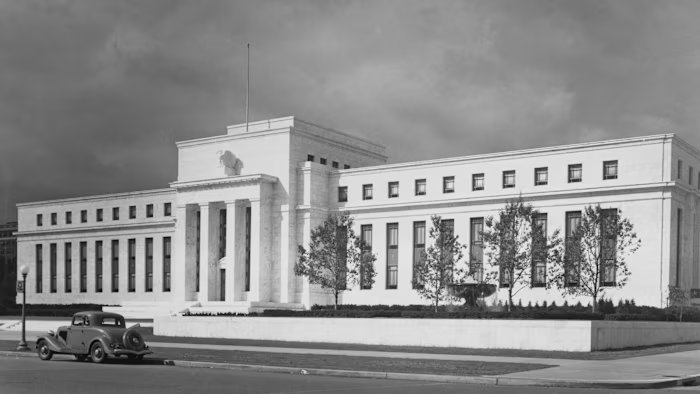
Unlock the White House Watch newsletter for free
Your guide to what Trump’s second term means for Washington, business and the world
The writer is an FT contributing editor
On May 20, 1842 there was a riot over money in New Orleans. Hundreds of small merchants from the covered markets along the river crossed from the French to the American side of the city. “Down with the brokers,” they yelled in French, meaning the bill brokers who were buying the merchants’ paper dollars at a 50 per cent discount.
The crowd sacked a row of brokers’ offices and made off with between $5,000 and $10,000 in Mexican silver dollars. Federal troops were called out to restore order. Money hasn’t been that exciting in America for a long time.
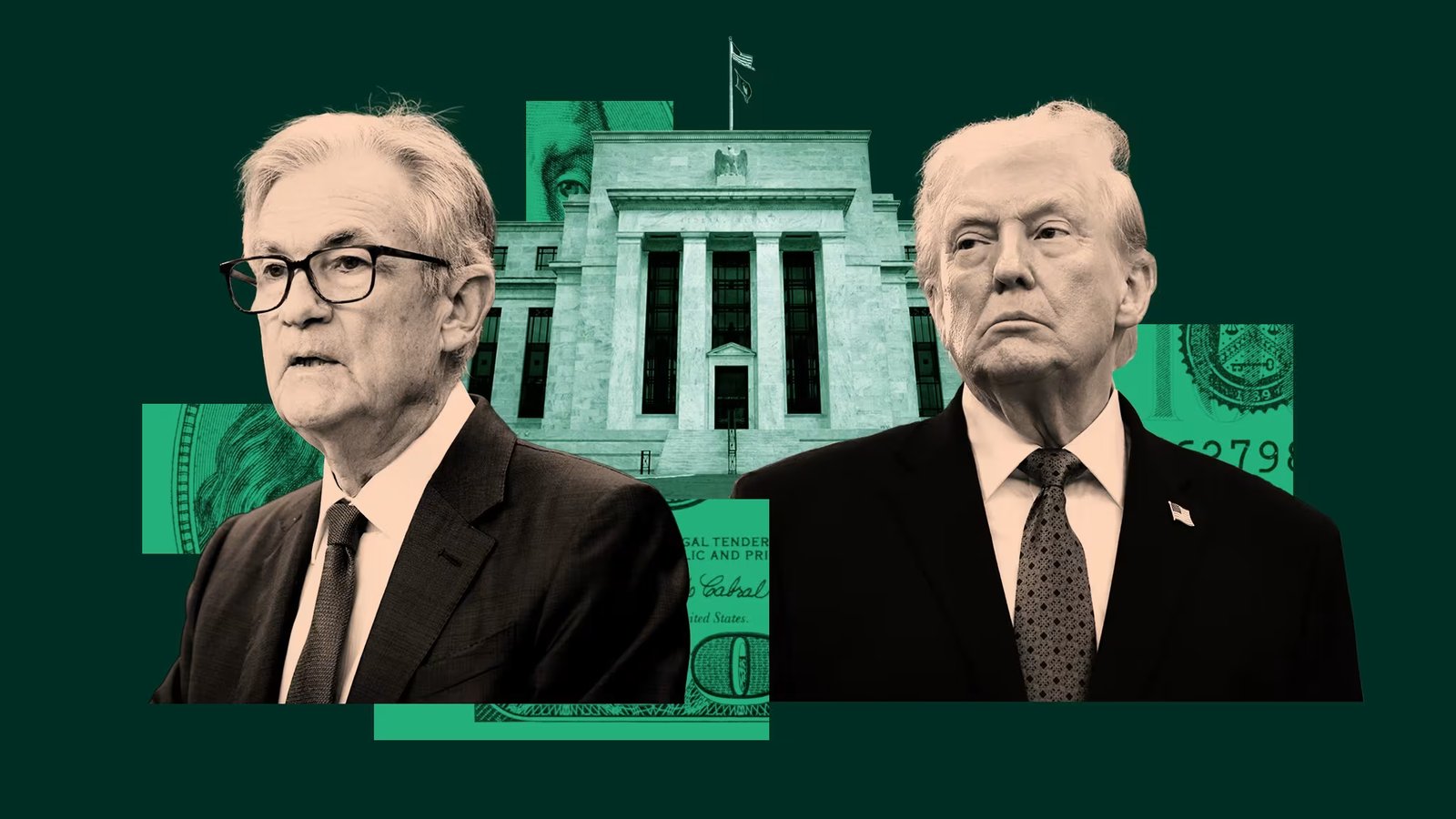
This week though was exciting enough though — exactly what you never want monetary policy to be. The Department of Justice has launched a criminal investigation into Jay Powell, chair of the Federal Reserve, relating to testimony over a $2.5bn renovation of the central bank’s headquarters. The accusation is absurd, and Powell responded plainly and forcefully.
There is a long history of antagonism between the Fed and the White House, and with this White House in particular. That conflict has never been this public, not even in 1951, when the Fed declared that it would no longer support the price of treasuries.
It is possible that over time President Donald Trump could string together a voting majority on the policy-setting Federal Open Market Committee, and with it the power to lower interest rates, and create enduring inflation. This would take some luck and audacity, though Trump does seem to possess more of both than any man deserves.
Enduring inflation is bad. But it’s just as worrying that sometimes money can just stop working altogether. And Americans have forgotten just how bad it is when that happens.
Before the Civil War, Americans kept a menagerie of different kinds of dollars for different purchases. They had inherited from France and England a system of handwritten promissory notes and book credits. Shops and hotels issued their own slips of paper, or shinplasters, as small change.
Larger purchases cleared with bank notes, paper dollars issued by banks, backed by books of loans to merchants and farmers. Bills of exchange moved dollars among cities. Often these different instruments would fail to clear at par with each other, particularly after a crisis.
Bank notes were harder to come by after the panic of 1837, and so New Orleans had issued municipal notes, paper dollars backed by future tax receipts. The municipal notes worked well enough, and small merchants came to rely on them. What sent the merchants to the bill brokers’ was an act of monetary policy: Louisiana passed a law forcing banks to hold enough Mexican silver to redeem their notes on demand.
New Orleans couldn’t buy back its own municipal notes with silver on demand, and so within a week their value had dropped by half. What helped bank notes hurt the municipal notes and the people who used them, and so they responded with violence.
This violence over money in 1842 is hard to imagine now, when monetary policy is carried out with boring jargon in quiet conference rooms. Developed economies have made money so reliable that we argue over a few percentage points of inflation.
The institutions that have made this stability possible, however, weren’t built out of prudent foresight. Each was built in response to crisis. After the panic of 1837, for example, states began collecting data on their banks, appointing comptrollers to make sure their money didn’t collapse. The system of national banks, with its national Comptroller of the Currency, was created to get the state banks out of the perilous business of printing their own notes altogether.
The creation of the Fed was a response to a series of financial crises in the late 19th and early 20th centuries that often left rural Americans without any access to bank notes at all. The Securities and Exchange Commission was a response to consumers investing with inadequate rules and poor information in the 1920s.
The Federal Deposit Insurance Corporation was formed after banks all over the country closed their doors in 1932, leaving Americans without access to their own deposits. The Consumer Financial Protection Bureau was a response to decades of abuse, in particular over loans.
The Trump administration has treated not just the Fed, but all of them with equal disdain. Trump’s SEC has slowed enforcement actions, and abandoned cases. Trump advisers were reported to have considered absorbing the FDIC into the Treasury department in the transition to power. The administration has sought to shutter the CFPB. And now Trump has made clear his designs on the Fed, which doesn’t just set interest rates. It regulates banks. It distributes cash around the country. Its swap lines make the global dollar system possible.
There is a saying in America’s military that every boring, senseless rule was written in blood once. The same is true for the institutions of America’s money. They were all designed, one after the other, after something exciting happened. There is so much more than just inflation to worry about.