dailynewsnblog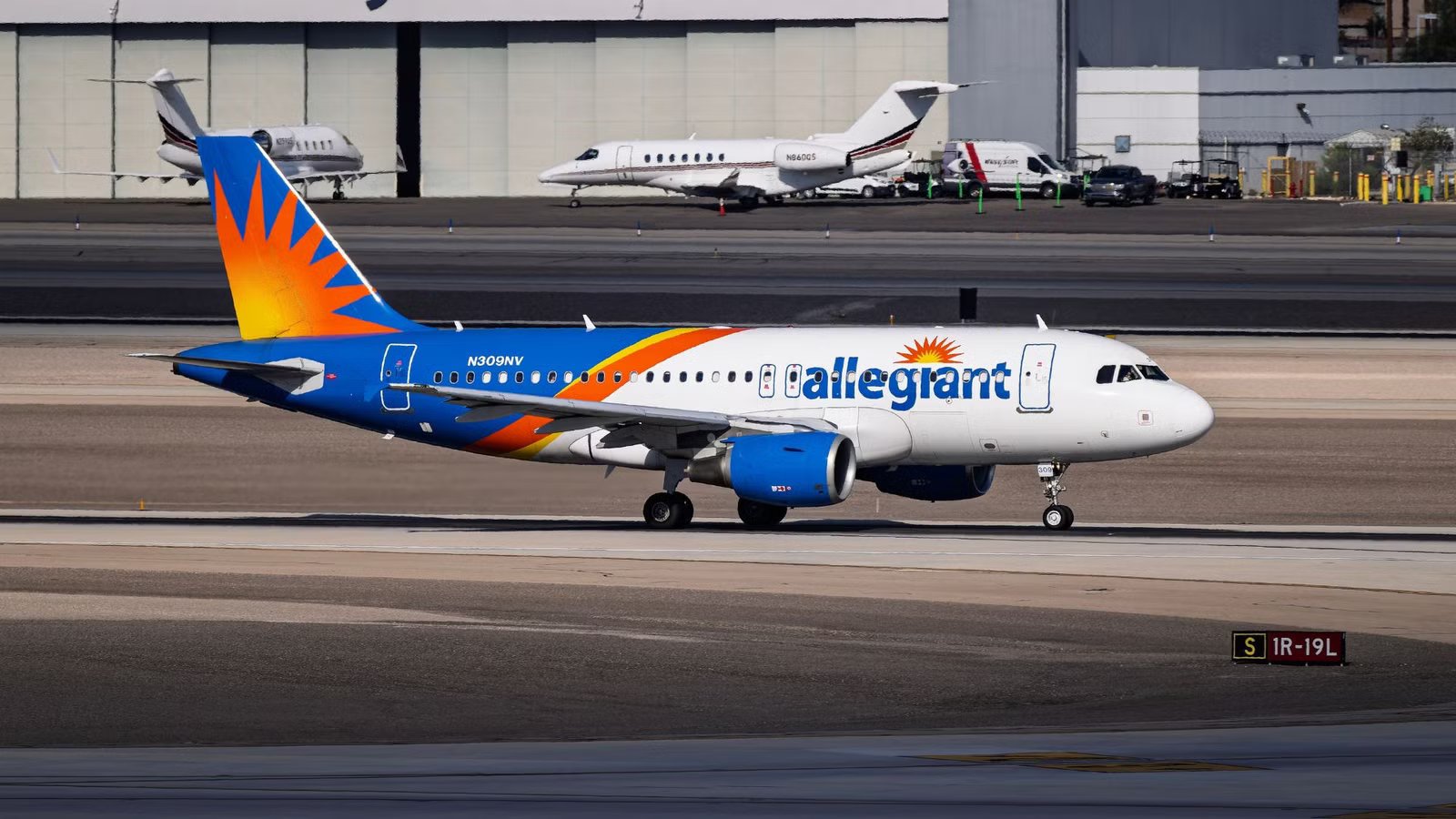
Allegiant Air is shutting down two of its aircraft crew bases in the United States, impacting operations at Bellingham International Airport (BLI) and Savannah Hilton Head International Airport (SAV), reports WSAV and Cascadia Daily News. The closures are planned for late 2026, with the Savannah base confirmed to cease operations in November. The airline says the move is part of a broader effort to streamline its network and reduce operating costs. The decision will directly affect crew members stationed at both locations and local airport activity.
Allegiant’s strategy has long centered on linking smaller cities with popular leisure destinations using a low-frequency, high-efficiency model. However, shifts in travel demand, staffing challenges, and cost pressures have forced the airline to reassess where it bases its crews. Bellingham and Savannah were both relatively small operational hubs compared to Allegiant’s larger bases.
Base Closures Reflect Network Optimization Strategy

The affected crew bases currently support pilots, flight attendants, and operational staff tied to Allegiant’s Airbus A320 family aircraft. Once closed, crew members will be given options such as transferring to other bases, commuting, or leaving the company. Bellingham has been a key airport for cross-border travelers from Canada due to its proximity to Vancouver, making it strategically useful despite its smaller size. Savannah, meanwhile, has supported a growing network of leisure routes, particularly to Florida and other warm-weather destinations.
While the bases are closing, Allegiant has it will still operate flights from both airports using crews positioned elsewhere. This could lead to more complex scheduling and increased reliance on aircraft routing rather than fixed crew assignments. The airline has been reducing underperforming routes in recent quarters, focusing instead on markets with stronger seasonal demand. As a result, passengers may see changes in flight frequency rather than outright route cancellations. Matt Rodriguez, director of aviation at Bellingham International Airport, said:
“This decision is related to how Allegiant organizes its internal operations, not its commitment to the traveling public of Whatcom County.”
Operational Impact On Crew And Local Airports

Crew bases are a critical component of airline logistics, influencing everything from crew duty times to overnight aircraft positioning. Maintaining smaller bases can become costly if flight volumes fluctuate or decline. By consolidating operations into larger hubs such as Las Vegas or Orlando, Allegiant can improve crew utilization rates and reduce idle time. This type of restructuring is especially common among ultra-low-cost carriers aiming to keep fares competitive.
The airline industry has seen a wave of similar adjustments as carriers adapt to post-pandemic travel patterns. Leisure demand remains strong, but it is often highly seasonal and less predictable than business travel. Allegiant, which does not rely heavily on corporate travelers, must carefully align its capacity with peak travel periods. Closing smaller crew bases allows the airline to remain flexible and quickly redeploy aircraft to more profitable routes.
Bellingham’s role as a low-cost alternative to major Canadian airports has been particularly notable, with passengers often crossing the border to take advantage of cheaper fares. In contrast, Savannah’s airport has experienced steady growth in recent years, driven by tourism and population increases in the region. Despite this growth, maintaining a dedicated crew base there may not have delivered sufficient operational efficiency. These contrasting dynamics highlight how network decisions are driven by cost structures as much as passenger demand.

How Allegiant Is Shifting From All-Airbus To A Boeing-First Fleet In Just 2 Years
The MAX 8200 is at the heart of a seismic shift towards Boeing.
What This Means For Allegiant’s Future Growth

Allegiant operates a fleet composed primarily of A319 and A320 aircraft and some Boeing 737 airframes, having retired its older McDonnell Douglas MD-80 series in recent years. The transition to a more standardized fleet has allowed the airline to cut maintenance costs and improve fuel efficiency. These operational improvements often go hand-in-hand with network restructuring decisions, including base closures. The airline has also experimented with adding ancillary revenue streams, such as bundled travel packages and hotel partnerships.
Looking forward, Allegiant is expected to continue refining its route network, particularly as new aircraft deliveries influence capacity planning. The airline has historically entered and exited markets quickly based on performance, a hallmark of its flexible business model. Additional base adjustments could occur if similar cost-benefit analyses justify them. This adaptability has been central to Allegiant’s ability to remain profitable in a highly competitive sector.
Although the closures will impact employees and local operations, they are unlikely to signal a complete withdrawal from either airport. Instead, they represent a recalibration of how Allegiant deploys its workforce and aircraft. The long-term outcome will depend on how demand evolves and whether these markets continue to fit within the airline’s broader strategy.