dailynewsnblog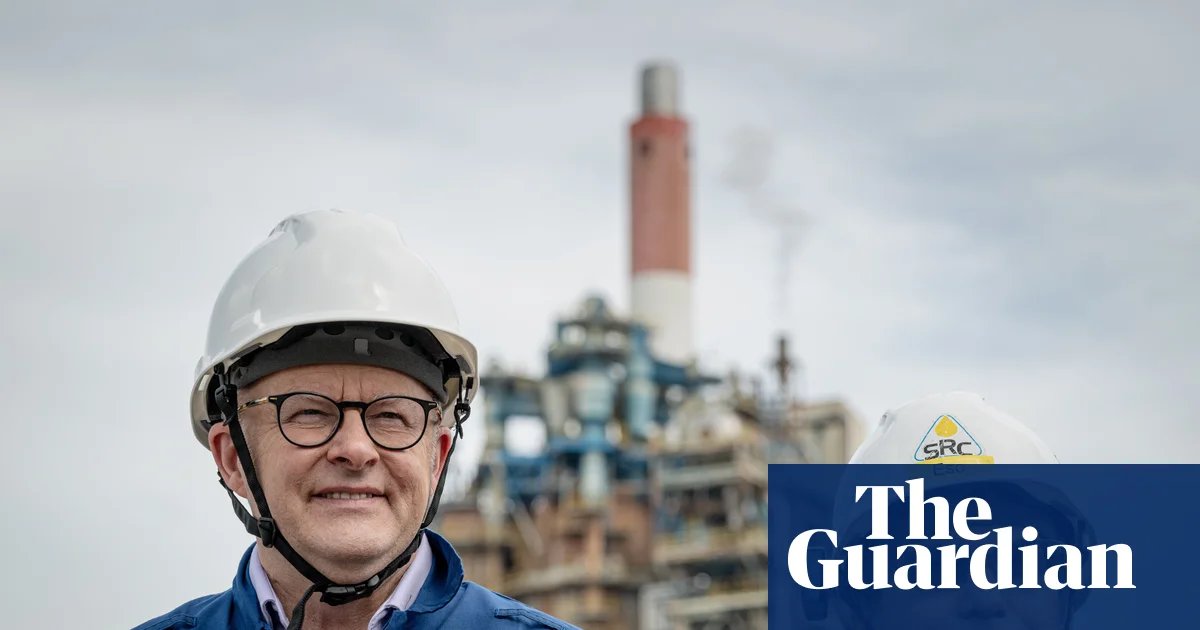
Anthony Albanese isn’t coming back from Singapore with a shipload of diesel in his checked baggage. That doesn’t mean his whistle-stop visit wasn’t a success, or that it won’t be seen in future as a pivotal moment if fuel stocks continue to be choked by the ongoing conflict in the Middle East.
The government never expected that the quick whip to Singapore, with just one full day on the ground, would elicit a new supply of petrol or diesel. Singapore already supplies 55% of Australia’s unleaded, 22% of jet fuel and 15% of diesel.
So rather than asking for more refined fuel today – with the government maintaining there is more supply onshore now than at the beginning of the US-Israel war on Iran, and the steadily dwindling number of service stations without stocks – the visit was about shoring up our existing supplies if things go more pear-shaped.
Like, for instance, if the fragile ceasefire is shattered, or if Israel’s escalating bombing of Lebanon sees Iran once again close the strait of Hormuz.
The Australian side was buoyed by Singaporean prime minister Lawrence Wong’s firm response that “we do not plan to restrict exports … we will not do so during this energy crisis.” It was seen as the closest thing to a guarantee that Australia will not see any reduction in supply from our biggest source of refined fuels.
The energy minister, Chris Bowen, said these kind of diplomatic statements “are often quite nuanced”, calling Wong’s response “as strong as you could expect it to be” in terms of a pledge that Australia will keep getting Singaporean fuel.
But it was an earlier line from Wong, in his pre-prepared opening statement, which underlines the biggest risk that Australia faces, and which Albanese was seeking to forward-plan for: uncertainty.
Wong assured Albanese that Singapore would continue supplying refined fuels to Australia, with the caveat “as long as upstream supplies continue”.
In one sense, that’s blindingly obvious: Singapore relies on importing crude oil, rather than extracting directly. If its own upstream supply chain is interrupted, then the downstream supply to Australia and elsewhere is naturally impacted.
Leaders worldwide are crossing their fingers and hoping the strait will reopen, the ceasefire will hold, and any economic or supply shocks – including those yet to come, already baked into the system from six weeks of interruptions to global shipping – can be endured.
But in the event that the situation deteriorates, that the bloody Middle East conflict drags on or petrol prices keep spiking, the government wants to say they’ve pulled every lever, turned over every rock, made every phone call and called in every favour to lessen the pain at home.
Having received assurances from Singapore, increasing efforts to secure more certainty of diesel supply – as prices spike despite the fuel excise cut – will surely be next on the agenda.
“What we have done consistently here is not to wait … we’ve looked at every possible opportunity there is to increase supply,” Albanese said on his way to Singapore.
Other parts of the government’s recent strategy rhyme with this idea: projecting calm now, but simultaneously planning for the future. Leveraging Australia’s major exports of LNG and coal, as Albanese did with Singapore, to remind partners that they need Australia’s resources just as much Australia needs theirs; diplomatic engagement with big fuel suppliers, including phone calls with China and Brunei, to remind partners we’re a reliable ally; other expected foreign trips for senior government members, to ram those points home; and underwriting new fuel shipments for the Viva and Ampol refineries.
The fuel crisis has seen some conventional political wisdom jettisoned. Normally a PM wouldn’t jet off overseas during a crisis, but the times call for action. Images of Albanese touring fuel refining facilities on Singapore’s Jurong Island, and watching an Australian ship unload LNG, paint a picture of a leader out in the world, scouring the globe for petrol and shoring up supply.
There is the obvious potential of copping flak for coming back without a tangible new load of fuel – an attack line the Coalition immediately went to – but the near-ironclad guarantee that Singapore’s fuel will keep coming is a strong outcome.
So the obvious question is: if you take the government at its word that everything is fine, that fuel stocks are higher than before, and that shortages are a symptom of soaring demand rather than dipping supply, why are these moves needed?
It’s about planning ahead for the uncertainty. The day you plant the seed is not the day you eat the fruit, and the day the government gets assurances of flowing fuel is not the day we see it arrive on tankers.
Albanese has been using stronger language on this trip, about “a difficult period ahead”, and that even if the strait opens tomorrow, the long-term effects are already on their way, like a bubble coming down a tube.
On Friday he warned “there’s been substantial damage in the Gulf and that will have consequences for a period of at least months ahead”.
That’s how both things can be true at once. On the one hand, the government is working to reassure Australians that supply is secure, that stocks are up, and that the number of petrol stations without fuel is on the way down; but on the other, they’re clearly planning for a potential rainy day where these rosy numbers may no longer hold.
Albanese wants a ceasefire in the Middle East and the strait reopened, but his Singapore trip may pay longer-term dividends if the crisis stretches on.