dailynewsnblog
Confusing advice and on-again-off-again airport closures are complicating the evacuation of hundreds of thousands of foreigners stranded in the conflict zone around the Persian Gulf.
A wide area of the Middle East is now considered too dangerous to fly, forcing some Asian-bound flights to burn more fuel diverting around the danger zone. Flight radar shows an oval-shaped area about 2,500 kilometres wide and 2,000 kilometres north-to-south, centred on Iran, almost devoid of civil aviation as the country endures bombardment by the U.S. and Israel.
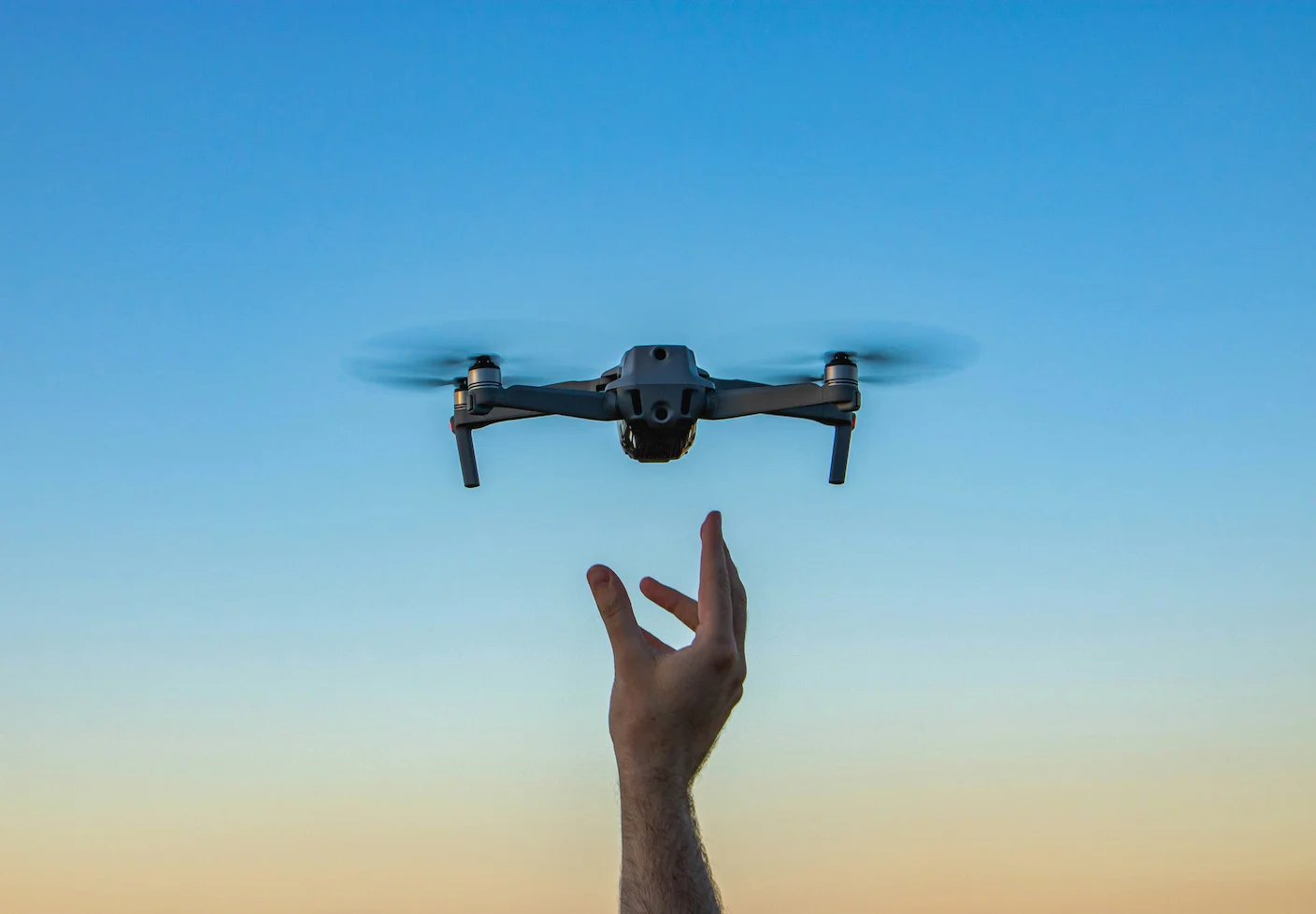
The main hazards for civil aviation in the Gulf — affecting the airspace of more than a dozen countries — are not the hundreds of retaliatory ballistic missiles and drones that have been launched by Iran, although they certainly pose a risk.
The more dire threat is the heat-seeking air defences of countries swept into the conflict.

Air defence batteries brought down three U.S. F-15 fighter jets in Kuwait on Monday in what appeared to be a case of friendly fire. It was another reminder that when missiles and combat aircraft start flying, air defence crews can react without properly verifying their target.
Two of the most notorious cases occurred in the skies over and around Iran and involved two of the three main parties in this war. The first was the shooting down of Iran Air Flight 655 by the USS Vincennes destroyer in 1988. The second was the downing of Ukraine International Airlines PS752 by Iran’s Revolutionary Guard Corps in 2020.
In a region that has seen tragic mistakes resulting in the deaths of hundreds of civilian air passengers, decisions on whether to fly remain fairly ad hoc and can come down to the judgment of an individual pilot.
Canadians concentrated in U.A.E., Lebanon
Air traffic increased out of several airports in the Middle East on Wednesday, as both scheduled and chartered flights moved people out of the conflict zone from Oman, Saudi Arabia and Yemen. There was also some traffic out of Bahrain, Qatar and Lebanon.
Foreign Affairs Minister Anita Anand said Wednesday evening that the government is working to charter flights out of the United Arab Emirates and to block book seats on commercial flights both from the U.A.E. and other countries.
Anand said 200 more seats are available for Canadians wishing to leave Lebanon over the next three days. She said that only 164 of over 23,000 Canadians have requested evacuation from Lebanon — a much lower number than in some previous rounds of conflict.
Only 2,000 out of over 100,000 Canadians in the whole region are requesting assistance in leaving.
The departures board at Beirut International Airport showed mostly cancellations on Wednesday, but Lebanon’s own national carrier Middle East Airlines continued to cycle some flights through.
At least one departing flight, MEA267 from Beirut to Istanbul, appeared to make some kind of abnormal manoeuvre, deviating dramatically off course shortly after takeoff before returning to its flight path further out over the Mediterranean.

There remains confusion and consternation among foreigners stranded across the Middle East as they try to decipher at times contradictory instructions on how to evacuate.
The State Department urged Americans “to DEPART NOW” from 15 countries in the region on Tuesday, prompting some angry responses that there were no flights available.
The U.S. Embassy in Jerusalem also told citizens to leave Israel by land using an Israeli government shuttle to Jordan, but added “the U.S. government cannot guarantee your safety.”
European, North American carriers still mostly absent
The Europeans were no more consistent. Several EU governments advised their citizens to seek to leave the region by air, even as the European Union Aviation Safety Agency issued warnings that no one should be flying in the airspace of 11 countries.
“The possession of all-altitude capable air-defence systems, cruise and ballistic missiles and the use of air assets capable to operate at all altitudes, including interception capability, make the entire affected airspace vulnerable to spillover risks, misidentification, miscalculation and failure of interception procedures,” warned an EASA conflict zone information bulletin.
It said there was a “high risk to civil aviation,” recommending that carriers “not operate within the affected airspace at all flight levels and altitudes.”
European airlines appeared to be broadly heeding that advice.

Foreign Affairs Minister Anita Anand explained Ottawa’s plan Wednesday to evacuate Canadians from a number of countries in the Middle East, in response to the U.S. and Israel-Iran war. Three key options are being sourced for Canadians depending on the region: chartered flights, blocked bookings and land transportation.
Most of the air passenger traffic over the Gulf has been from regional carriers such as Saudia, Emirates, Etihad, Fly Dubai, Royal Jordanian and Turkish Airlines.
Aviation safety expert Courtney Miller of Visual Approach told CBC News that one incident in particular had been alarming for the aviation industry, which has already experienced Iran-Israel exchanges in just the past year.
“What I guess was not as expected were the attacks from Iran into some of the neighbouring Arab countries, in particular the drone attack on Dubai airport itself,” he said.
“Normally when we talk about these impacts with aviation, we’re just concerned about the safety of the area, not necessarily whether or not the airport will be targeted.”
That raises concerns about whether civil aviation could be targeted deliberately, said Miller.
To stay or to go?
The war presents a series of critical choices to an aviation industry that prides itself on being, mile-for-mile, the safest way to travel.
“They are doing things to minimize that risk. But we are talking about a war here. So even aside from the targeting of the airport, there are just hot pieces of metal flying through the air,” Miller said.
Despite several high-profile disasters, a fairly ad hoc system continues to govern the aviation industry in its decisions around wartime flying.
When a national government chooses not to close its airspace, it can fall to airport authorities or individual pilots to make life-or-death decisions on the safety of their passengers as they communicate with national authorities and airports, Miller said.

The Dutch Safety Board released a series of recommendations for airlines operating in conflict zones as a result of its long investigation into the shooting down of a Malaysian Airlines jet over Ukraine in 2014.
“Airlines around the world have stated that they have become more aware of the risks of overflying conflict zones since the crash of flight MH17,” the board’s report noted. “Many airlines now make a more active effort to gather accurate information and are more willing to share it with other airlines.”
But it also said there are lingering issues that need to be addressed.
“The investigators found that very few changes relating to airspace management by nations dealing with armed conflict within their territories have been made,” the report said.
Miller says his best advice for those in the region is that distance matters.
“If you need to get home to your family, are there ground options to get even 50, 100 miles further away from what’s happening? If I were in Kuwait, I might go into Saudi Arabia to find a ride out of there, and I’d feel far more comfortable personally just putting any distance between myself and where the action is,” he said.
Miller says that, as a former pilot, he would also want to know all the details he could get about the flight path of any plane he was boarding. But he wouldn’t be in any rush to get airborne.
“A key question would be what other options do I have?” he said. “More will be known as time goes on.… As long as I could stay, I would probably just consider staying put.”