dailynewsnblog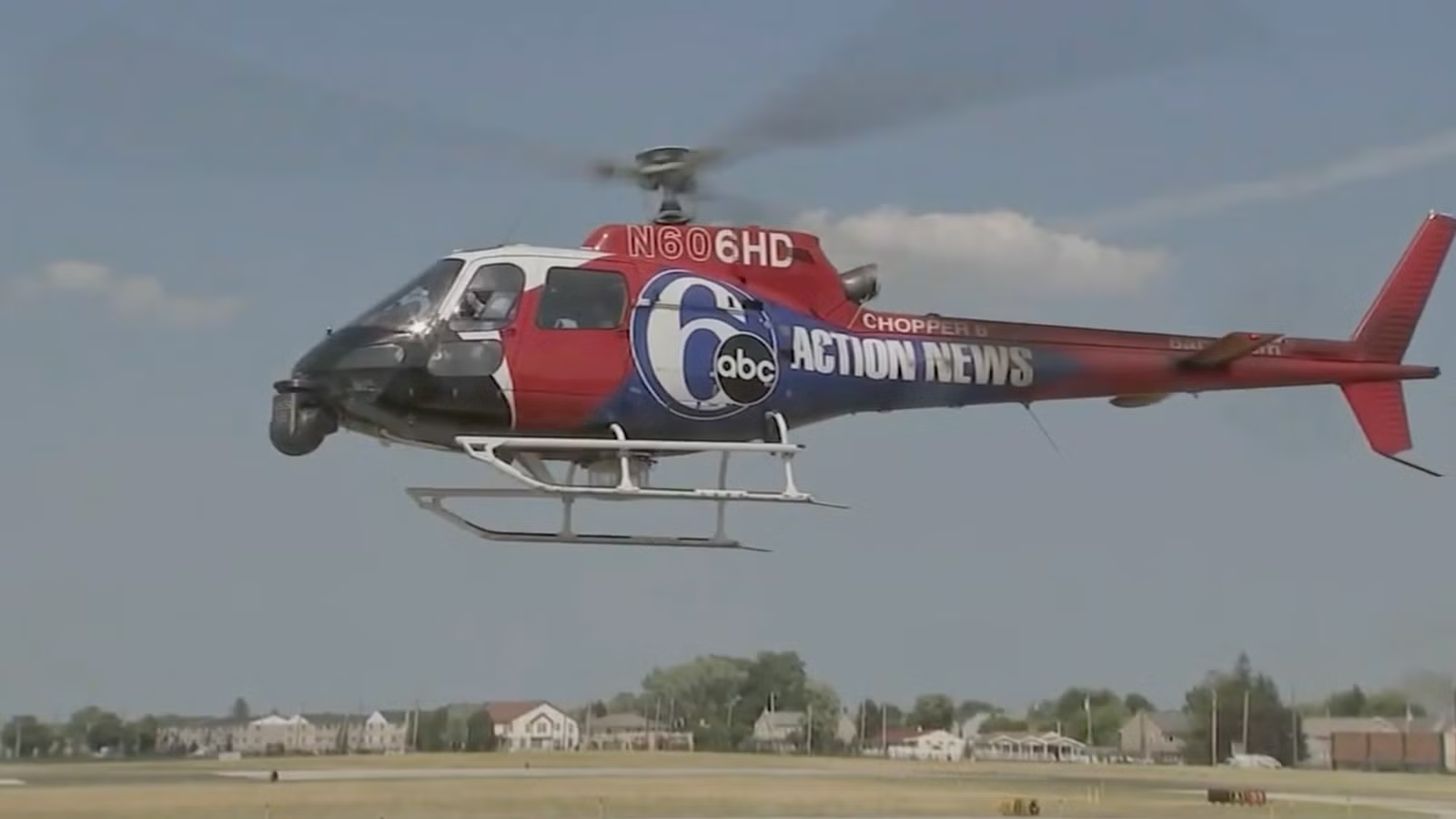
Widows of two different crew members who were killed during a fatal helicopter crash in December 2023 have elected to sue Airbus, claiming that a dangerous design defect caused the fatal accident. Rosalyn Collins, the widow of pilot Monroe Smith, and Elaine Dougherty, the widow of photographer Christopher Dougherty, filed this case in Philadelphia’s Court of Common Pleas shortly before the tragic accident’s second anniversary.
This complaint focuses on the helicopter’s hydraulic system, ultimately arguing that a failure can leave pilots with little chance to recover because manual control becomes exceedingly difficult. This lawsuit also targets maintenance and parts firms, seeking compensatory damages and punitive damages. As noted by major media outlets, Airbus has declined to comment on the incident.
A High-Profile Lawsuit Filed In Philadelphia

This lawsuit, which was filed in Philadelphia last week, ties the December 2023 crash in Wharton State Forest to a “known defect” in Airbus’ AS-350A-STAR helicopter design. Plaintiffs will say that Airbus had been warned for decades that the aircraft’s hydraulic systems, which are used to help a pilot control rotor blades, were defective and dangerous.
This is because a failure can force pilots to fight extreme aerodynamic forces by brute strength. The complaint in question also names Sterling Helicopters, which replaced part of the hydraulic system after a 2019 failure and inspected it again in 2021. Multiple component manufacturers are also named in the lawsuit. A January 2024 preliminary report filed by the NTSB cited no engine abnormalities that would have hindered operations, keeping all attention on the control system.
Families Suing Over An Ignored Warning

The plaintiffs in this case are the widows of Monroe Smith, a 67-year-old helicopter pilot, and Christopher Dougherty, a 45-year-old photographer. Both of whom were long-time members of Philadelphia’s 6ABC Action News team who died while operating the station’s leased helicopter in Burlington County in December 2023.
This suit was filed just days before the crash’s second anniversary, framing the case as a fight against a hazard that the families say should never have remained in operational service. They argue that Airbus’ design choices put crews in an impossible position. If hydraulic assistance is lost, a pilot may be forced into near-unmanageable manual control at some of the most dangerous moments possible.
The complaint seeks both compensation and punitive damages, signaling a renewed effort to recover losses and punish conduct which the victims’ families have categorized as knowing indifference. After the crash, a former colleague remembered both Smith and Dougherty as genuine people who had the best interests of others at heart, according to an analysis published by The Philadelphia Inquirer.

UPS MD-11 Crash Victims’ Families Planning To File Wrongful Death Lawsuit
This follows a class action lawsuit launched days after the crash.
Hydraulics, Maintenance Issues & Legal Matters

This complaint may seem like a simple matter related to one individual instance, but it is a much more complex question that touches upon a much broader array of factors. At the center of this complaint is the Airbus AS350’s hydraulic system, which helps translate a pilot’s inputs into rotor-blade control. This suit claims that Airbus had been warned for decades that a failure could leave pilots with fewer realistic options, as counteracting the resulting aerodynamic forces can demand extraordinary strength and may often be impossible.
This filing also broadened responsibility beyond the manufacturer, and it names Sterling Helicopters, which was identified as the company that replaced part of the hydraulic system after a 2019 failure and later inspected it in 2021. It also named multiple other firms that produced hydraulic components. The failure of this critical system will undoubtedly be the principal factor for analysis in this case.
The system failed on the night of this 2023 crash, and plaintiffs have a plan to show that the parts were not designed to withstand continuous use. A January 2024 NTSB preliminary report found no engine anomalies, and it will likely be identified as the key factor that led to this tragedy.