dailynewsnblog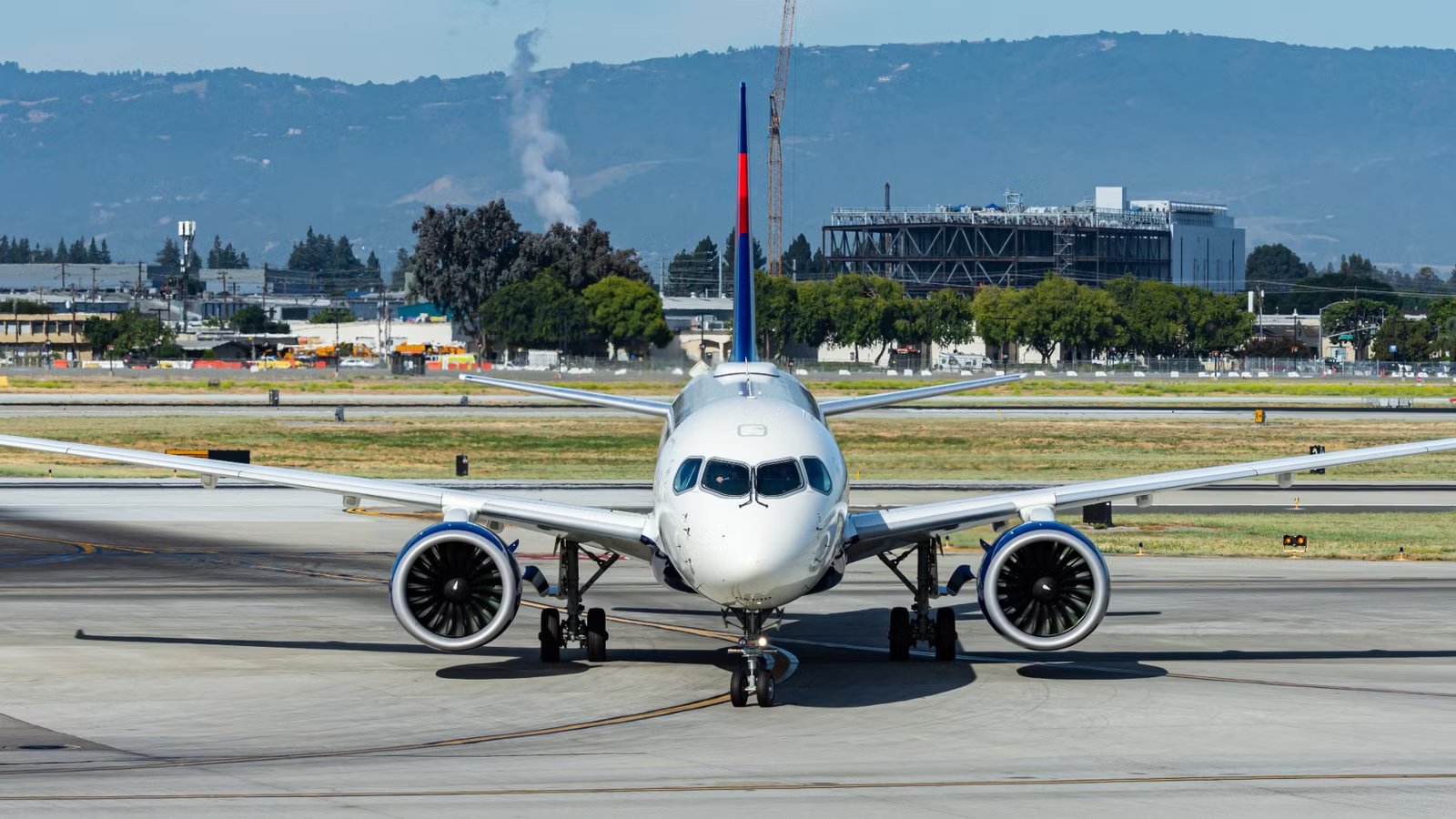
Tomorrow will mark two weeks to go until Airbus holds its 2026 Annual General Meeting on April 14 in the Dutch capital city of Amsterdam. The firm’s executives and shareholders will have plenty to discuss as far as its current challenges are concerned, with one of the most important of these being its ongoing dispute with US-based engine maker Pratt & Whitney. This feud has dragged on for some time now, and is threatening deliveries.
Beyond this, however, Airbus’s bottom line also stands to suffer if its timelines continue to be impacted by the issues that concern Pratt & Whitney’s Geared Turbofan (GTF) engines. Indeed, with engine problems causing Airbus to miss multiple delivery targets, its stock price is now trending downwards.
Engine Shortages Are Impacting Production Rates

As detailed in the table below, two families of narrowbody twinjet aircraft that are currently manufactured by Airbus make use of engines from the Pratt & Whitney PW1000G family, otherwise known as the Geared Turbofan: the A220 and the A320neo. However, in recent years, the good name of these turbofans has been marred by a wide range of issues relating to vibrations and excessive corrosion, prompting the engine maker to recall them.
|
Airbus And The Pratt & Whitney GTF Engine Series |
||
|---|---|---|
|
Aircraft |
Pratt & Whitney GTF Engine |
Exclusive? |
|
Airbus A220 |
PW1500G |
Yes |
|
Airbus A320neo |
PW1100G |
No (shared with CFM International LEAP-1A) |
Such a process isn’t unusual for an engine maker, and it is certainly in its interests to perform extra maintenance in the short term rather than letting it be and seeing worse consequences in the long term. However, the reliance of Airbus’s two main series of narrowbody twinjet aircraft on these engines means that the firm is seeing widespread operational impacts from these issues. Its delivery timelines and production rates have also been hit.
Simple Flying has reached out to Airbus and Pratt & Whitney for further information on this matter. We will update our coverage as and when statements are received.
Engine Shortages Are Impacting Production Rates & Shareholder Value

Indeed, Airbus is planning to ramp up its production rates for the A320neo family to 75 jets a month by 2027. However, as noted in the previous table, this series of narrowbody twinjet aircraft uses the Pratt & Whitney PW1100G engine from the GTF family. According to Primary Ignition, the impacts of the issues that Pratt & Whitney is still looking to contain on these engines stand to threaten this target, and they may result in delays to deliveries.
The key reason for this is that the need to perform extra maintenance on these engines creates a shortage of such turbofans. While airlines and manufacturers maintain their engines on a regular basis, these supplementary procedures are unscheduled and can arise at short notice, and they force the remaining spare turbofans to be diverted to the in-service fleet to provide cover. This thus creates a shortage of engines for new jets.
This operational bottleneck, as noted by Aviation Week, results in a backlog of so-called ‘glider’ aircraft, whereby planes are otherwise finished but cannot be delivered due to their lack of engines. For large families like the A220 and A320neo, these impacts have huge ramifications across the business, with Primary Ignition noting that Airbus’s share price has trended downwards by 20% in the year-to-date. This could impact its bottom line.

Airbus Criticizes Engine Delays For Stalling A320 Deliveries
The planemaker has had to adjust its guidance as a result.
Will Airbus Sue Pratt & Whitney?

As Airbus’s feud with Pratt & Whitney rages on, the planemaker has been in the news of late due to the firm threatening to sue the US-based engine manufacturer. Indeed, as Simple Flying reported earlier this month, it has emerged that Airbus is pursuing damages from P&W over the delays to its engine deliveries.
This would force P&W to count the cost of its engine issues, as well as ensuring that Airbus’s bottom line is protected from the negative impacts to shareholder value that have arisen as a result of the ongoing crisis. Airbus has plenty of demand and a strong backlog of aircraft orders, but it stands to lose out if it cannot deliver these jets on time due to P&W’s engine issues. On a wider level, this could impact fleet growth and route development.