dailynewsnblog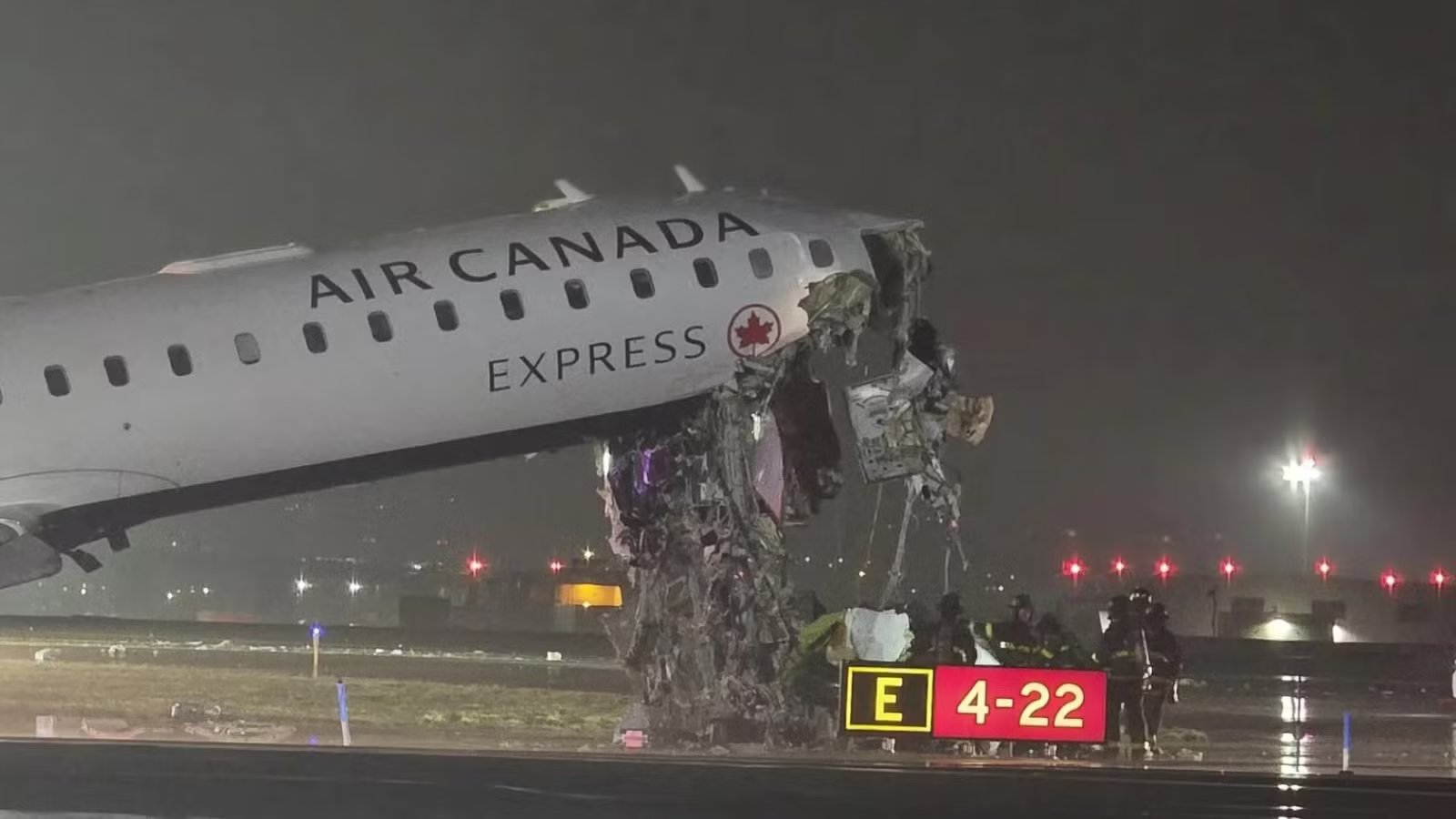
Since the tragic accident that killed both pilots of  Air Canada Express Flight 8646 in New York’s
  LaGuardia Airport (LGA), the effort to remove the jet’s wreckage have been slow going as it progresses in line with the investigation. All of the personal belongings of the passengers that were aboard the jet remain where they were when the fateful accident occurred.
The nose and cockpit of the jet were obliterated by the impact with the airport firetruck that struck it, making removal challenging. Fortunately, none of the passengers were fatally injured, but they remain cut off from reclaiming the items that they left behind during the emergency evacuation.
AC8646: Picking Up The Pieces In The Wake Of Tragedy

The National Transportation Safety Board (NTSB) is leading the probe into the mishap, with support from the Transportation Safety Board of Canada. A total of 41 people were hospitalized following the accident on March 22. Out of that number, there were 39 from the stricken Bombardier CRJ900 and two from the airport’s firetruck.
The catastrophic destruction of the aircraft has made the operation to move the airframe complex, which is compounded by the need to meticulously preserve evidence of the crash. Investigators are still looking into how air traffic control played a role in the fatal collision and how the actions of the pilots and truck impacted the outcome. As of March 25, work crews began towing the remnants of the aircraft from the runway into a secured hangar.
Air Canada is currently working to reunite passengers with personal belongings left behind during the emergency evacuation, a process expected to take several days. Despite the trauma that the survivors experienced, many have come forward to praise the actions of the pilots whom they describe as heroes. One survivor, Rebecca Liquori, told NBC News:
“I’m just so appreciative that they were able to save us, but I’m just so sad that they weren’t able to make it home to their families.”
Heroic Action On The Flight Deck Saved The Lives Of Passengers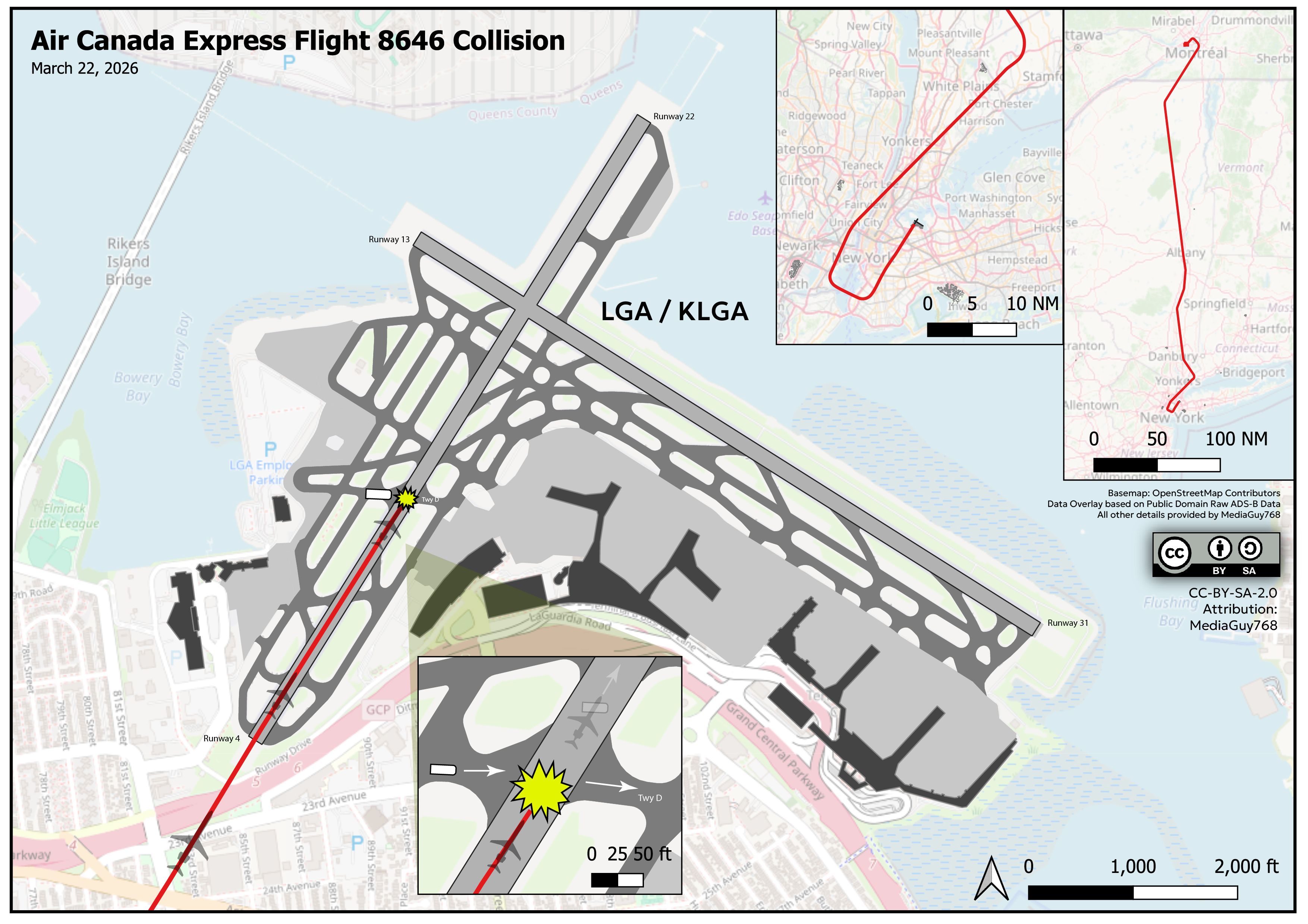
Captain Antoine Forest and First Officer McKenzie Gunther are credited with significantly improving the survival odds of their passengers by applying maximum braking in the moments before the collision that cost them their lives. Stunningly, one flight attendant from AC8646 was found alive on the tarmac still strapped into her seat, after being ejected from the aircraft through a hole in the floor.
The brief seconds of extremely intensive braking allowed the jet to shed a significant amount of energy before impact. This crucial act by the flight crew is considered to be the most decisive factor in the low number of fatal casualties that resulted from the accident. An Air Canada press release from earlier today confirmed that there are still passengers and crew members in the hospital.
Investigators are focusing on both the decisions by ATC and the staffing at the time of the accident. Only two controllers were in the tower at the time, with both reportedly managing many positions simultaneously. The NTSB is also investigating why ground radar failed to provide an alert and why the firetruck lacked a transponder that would have made it more detectable to safety systems.

NTSB Team Still En Route To LaGuardia: Delayed By TSA Lines
The NTSB is undertaking a complete walking inspection of the LaGuardia crash site, facing a tremendous amount of debris strewn across the runway and taxiways.
Finding The Fatal Flaw That Led To A Breakdown In Safety At LGA

Both the cockpit voice recorder and flight data recorder have been recovered and are undergoing analysis. Audio recordings captured a controller clearing the firetruck to cross the runway while the jet was 100 feet above the ground, then frantically shouting “Stop, stop, stop, Truck One!” seconds before impact. Roughly 20 minutes later, the same controller was heard on record saying, “I messed up.”
Under US law, the controller responsible is unlikely to face legal or criminal consequences for an honest error, even with the fatal outcome of the mistake. Instead, the investigations’ recommendations will focus on systemic failure and corrections that the government should make to prevent future mishaps. Recent political disputes within the United States Congress and wider federal government have impacted ATC staffing levels at airports across the nation and support from the Federal Aviation Administration.
The New York Times also reported that the recent government shutdown, centered on the dismissal of Kristi Noem for her misconduct as the leader of the Department of Homeland Security, is also responsible for a delayed response by accident investigators. These are all directly connected to the same issues that have seen the TSA go without pay for over a month and crippled the American commercial air travel network.