dailynewsnblog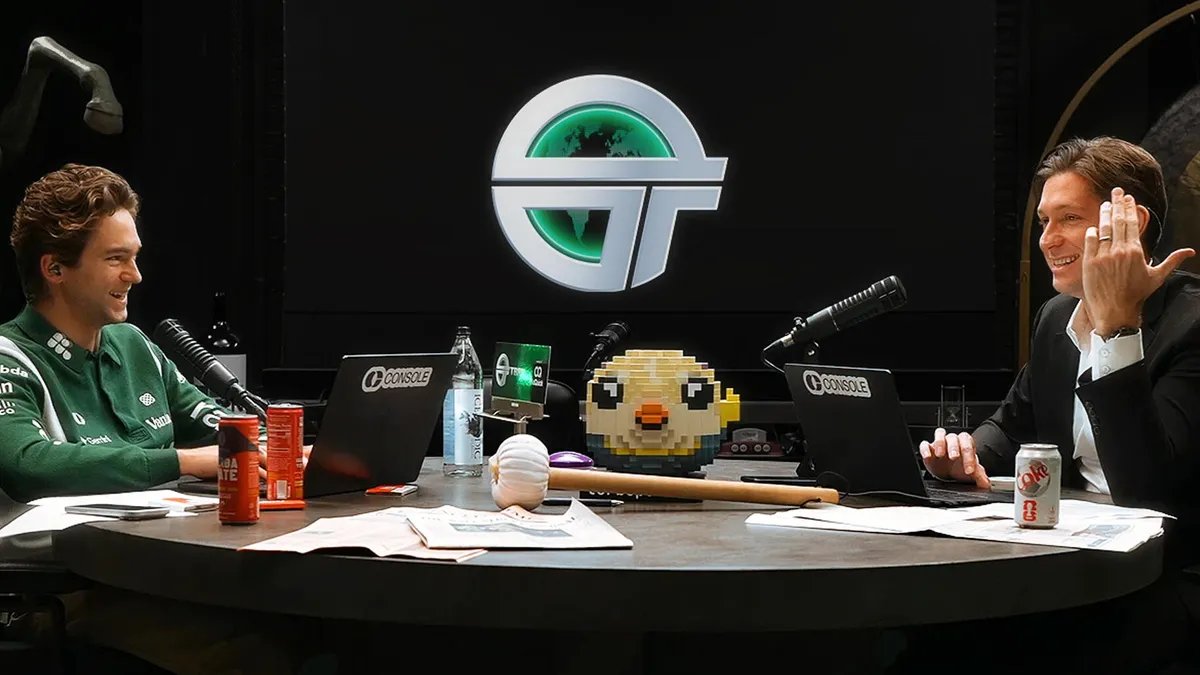
OpenAI has spent the last few weeks seemingly trying to refocus on using AI for business instead of what execs dubbed “side quests,” dumping its AI video generator and its plans for an adult-themed chatbot. So this week, of course, the company announced it’s jumping into the media business.
OpenAI said it was acquiring Technology Business Programming Network, better known as TBPN, which runs a 3-hour show streamed on weekdays that delves into the biggest topics — and brings in the biggest names — in tech business.
(Disclosure: Ziff Davis, CNET’s parent company, in 2025 filed a lawsuit against OpenAI, alleging it infringed Ziff Davis copyrights in training and operating its AI systems.)
OpenAI said it added TBPN to “help create a space for a real, constructive conversation about the changes AI creates,” Fidji Simo, CEO of AGI deployment at OpenAI, wrote in a message to employees shared by OpenAI. Simo said the company also wanted to take advantage of TBPN’s marketing prowess. “They have a strong pulse on where the industry is going, their comms and marketing ideas have really impressed me,” Simo said.
TBPN launched in October 2024 and has been compared to ESPN in how it covers tech — two guys at a big desk with news, analysis, commentary and banter about topics such as AI, crypto, startups and the defense industry. The show’s two hosts and co-founders, Jordi Hays and John Coogan, have had some of tech’s biggest names in studio — OpenAI’s Sam Altman, Meta’s Mark Zuckerberg, Microsoft’s Satya Nadella, entrepreneur Mark Cuban and Salesforce’s Marc Benioff, to name some.
The show is streamed live from 11 a.m. to 2 p.m. PT Monday through Friday on YouTube and X from the Ultradome, a studio on a Hollywood film lot. The show has 70,000 viewers daily and looks set to make more than $30 million in revenue this year, according to the Wall Street Journal.
TBPN co-host Hays acknowledged in a statement that the show has been “critical” of the AI industry.
“After getting to know Sam and the OpenAI team, what stood out most was their openness to feedback and commitment to getting this right,” Hays said. “Moving from commentary to real impact in how this technology is distributed and understood globally is incredibly important to us.”
In an era of fast-moving media consolidation, it’s a fair question — can TBPN keep saying what they really think, even if that ruffles OpenAI’s feathers? In her statement, Simo said OpenAI wants the show to maintain its “editorial independence.”
“TBPN will continue to run their programming, choose their guests, and make their own editorial decisions,” she said. “That’s foundational to their credibility, and it’s something we’re explicitly protecting as part of this agreement.”
Altman, OpenAI founder, echoed that sentiment with a posting on X. also calling TBPN his “favorite tech show.”
“We want them to keep that going and for them to do what they do so well,” Altman posted. “I don’t expect them to go any easier on us, am sure I’ll do my part to help enable that with occasional stupid decisions.”
The acquisition prompted some criticism and concern on social media as people wondered whether TBPN could really maintain editorial independence.
“Reporters doing accountability journalism are getting mowed down by mass layoffs & are now almost extinct — while the targets of their accountability reporting are giving hundreds of millions of dollars to pundits,” David Sirota, a longtime columnist and founder of the investigative news outlet The Lever, posted on X. “What stage of the media dystopia is this?”
TBPN will be under the supervision of OpenAI’s Chief Global Affairs Officer Chris Lehane, who joined the company in October 2024 and is the company’s main strategist in working with government officials. Decades ago, he worked in the White House of President Bill Clinton — helping to handle the Whitewater and Monica Lewinsky investigations — and as press secretary to Vice President Al Gore. Lehane also set up a procrypto super PAC called Fairshake that helped defeat anticrypto candidates during the 2024 elections and helped Airbnb battle housing regulations.