dailynewsnblog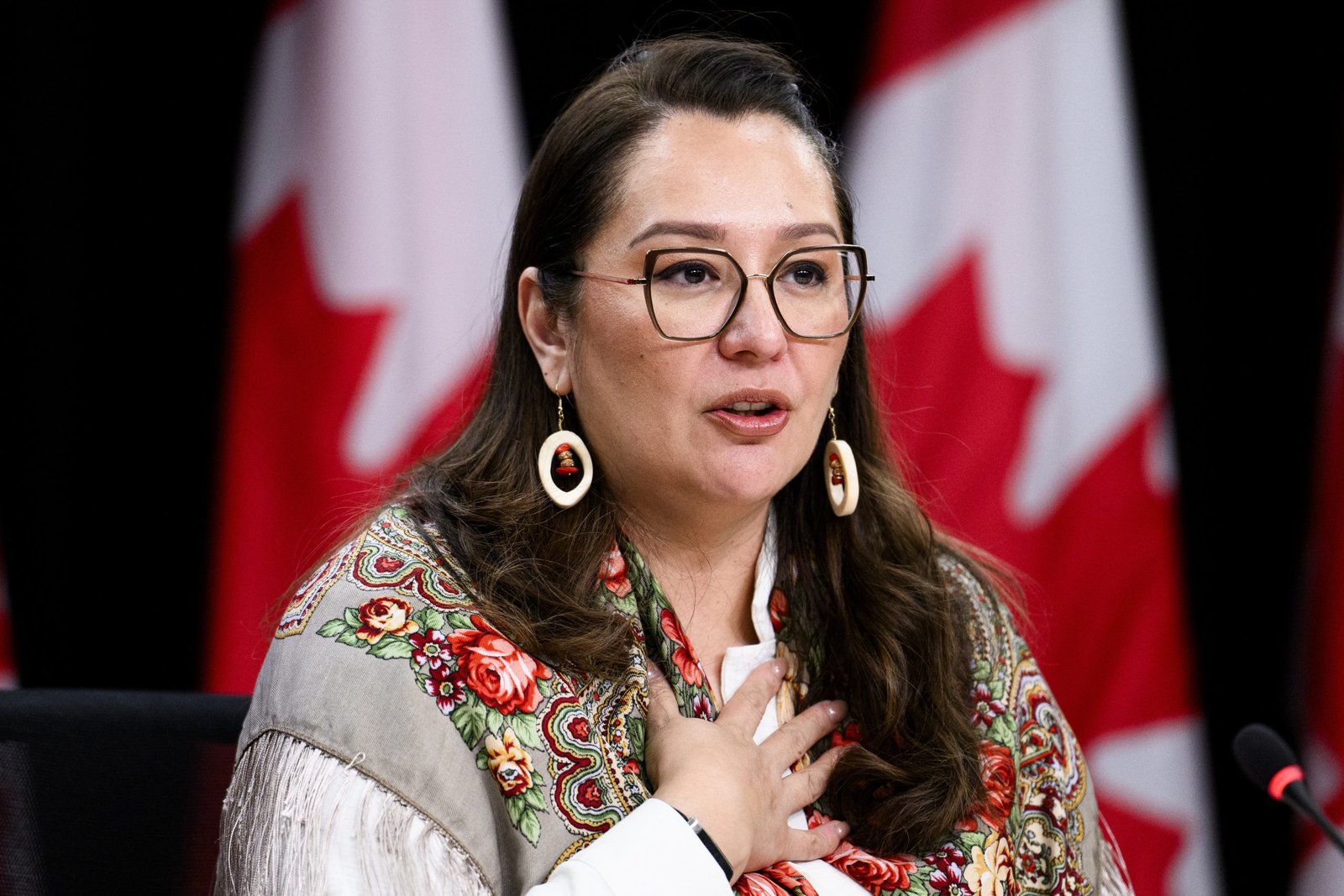
“We’re pleased with the announcement, but we need sustainable funding,” Jordan’s Principle Unama’ki Manager Kelly Holley told iPolitics in an interview. “We need the Indigenous Services Canada to remove the unnecessary bureaucratic red tape that they put in place ever since Jordan’s principle began.”
A Nova Scotia manager of Jordan’s Principle says Ottawa needs to offer more sustainable funding and remove burdensome rules to ensure First Nations children have access to public services.
Jordan’s Principle Unama’ki Manager Kelly Holley said she welcomed recently announced new funding but called for changes to address concerns from Indigenous communities.
“We’re pleased with the announcement, but we need sustainable funding,” she told iPolitics in an interview.
“We need the Indigenous Services Canada to remove the unnecessary bureaucratic red tape that they put in place ever since Jordan’s principle began.”
The comments come after the federal government announced on Thursday $1.55 billion in funding for Jordan’s Principle, a legal principle that states First Nations children must have equal access to social and health services.
The program was named after Jordan River Anderson, a Manitoba boy who died in hospital waiting for the province and Ottawa to decide who should pay for health support.
Indigenous Minister Mandy Gull-Masty told reporters Thursday outside the House of Commons that the funding provides “stable” support following last year’s operational bulletin, which updated how Jordan’s Principle requests are processed.
Jordan’s Principle allows families to submit requests for medical, mental health, educational and physiotherapy needs.
Addressing the national backlogs, Gull-Masty said the Indigenous Services Center (ISC) had addressed 120,000 new applications and has undertaken a “strategy” to bring on more staff to assist with the process.
“We know that our communities succeed when children and families in them have the supports they need to lead happy, healthy lives. The renewed investment in Jordan’s Principle ensures children can continue to access the essential supports they need to grow, learn, and thrive,” she said.
While advocates are supportive of the new funding, they say Ottawa has long road to go to address challenges.
The First Nations Child and Family Caring Society called on the minister to withdraw its February 2025 operational bulletin that narrowed access to services in ways that’s inconsistent with tribunal rulings in a statement on Wednesday.
The February operational bulletin tightens documentation requirements for Jordan’s Principle requests, restricts certain categories of funding unless tied strictly to a child’s unmet needs, ends multi-year group approvals and increases financial reporting requirements – removing the legal standard “substantive equality” from the website.
ISC said the changes are intended to ensure long-term sustainability and consistency, while advocates argue they narrow access that may conflict with tribunal rulings.
When asked if the minister plans to revise the bulletin when there’s no expected backlog, Gull-Masty said she acknowledges the “perplexity” in how paper is processed. She said the government will continue to review the application process with families to ensure it’s more responsive and streamlined.
Bureaucratic red-tapes
Brittany Mathews, director of reconciliation and strategic policy at First Nations Child & Family Caring Society, said there are many ways the government can adjust its decision making processes to reduce the backlog and delays. She noted that the first step would be withdrawing the bulletin operation.
“It’s reintroduced jurisdictional wrangling where kids are left without services while adults argue over who’s going to foot the bill,” she said in an interview with iPolitics.
Mathews added that it’s troubling the minister suggested that the operational bulletin created “perplexity” in how paid work is handled.
“To me, this signals that they are prioritizing the shuffling of paperwork ahead of the rights and needs of First Nation kids,” she said.
Holley said a big issue for her is the lack of communication between Ottawa and the Atlantic region in which she based, blaming a centralized application process for creating backlogs.
“There is no evidence the minister right now is going around saying that she’s engaging and reviewing Jordan’s Principle,” she said.
In Nova Scotia, Holley said challenges extend beyond funding levels. She said ISC doesn’t recognize some provincially certified early childhood specialists for the purposes of Jordan’s Principle assessments, because of lacking a qualifying “professional license number,” even though it’s recognized by the province. She said this limits who can provide required recommendation letters for young children.
In rural communities, shortages of service providers can further complicate access.
“It puts our five and under population at a real disadvantage, because those are the folks… that these littles would go to,” she said.