dailynewsnblog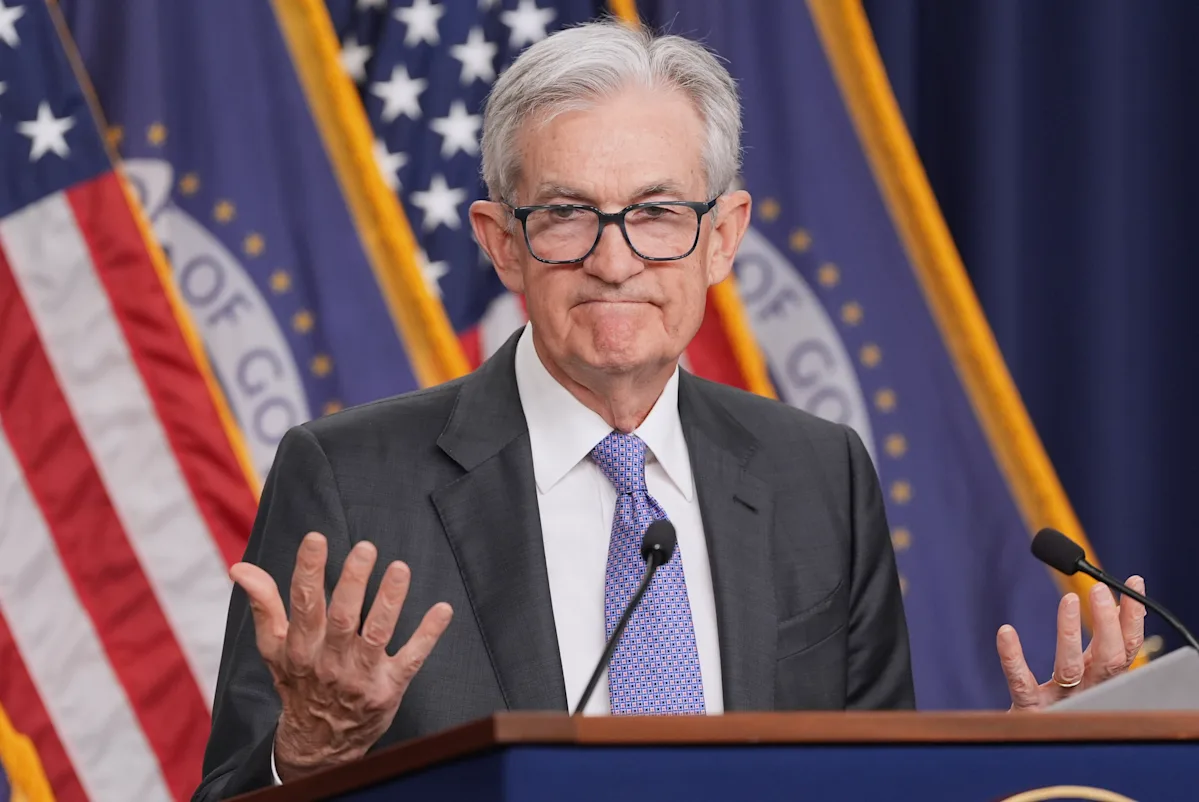
A reading on the Federal Reserve’s preferred inflation gauge released Friday for January, before the Iran war, showed inflation remained sticky, reinforcing the case for the central bank to hold interest rates steady for now.
The Personal Consumption Expenditures index for January rose to a two-year high of 3.1% on a “core” basis, which excludes volatile food and energy prices. That’s up a tenth of a percentage point from December’s core print of 3% and holding at a full percentage point above the Fed’s 2% inflation goal.
January inflation data was delayed by more than two weeks due to the government shutdown last fall.
“More sticky inflation data simply strengthens the idea that the Fed will remain on the sidelines,” said Ellen Zentner, chief economic strategist for Morgan Stanley Wealth Management.
What is likely to raise a flag for the Fed in the report is that prices of services are sticky and rising.
“That is clearly what is driving core inflation, which is the best predictor of longer-run pricing,” RSM chief economist Joseph Brusuelas said.
Read more: How to protect your savings against inflation
Core services excluding housing inflation accelerated to 3.5%, the fastest pace since February 2025. It was driven by healthcare and financial services, categories that show signs of letting up later this year.
While many Fed members have been watching goods prices rise due to tariffs, those are viewed as one-time price increases. The levies shouldn’t push up prices of services. Meanwhile, the war in Iran is boosting oil prices, which could push headline inflation to levels of 3.5% to 4% this spring, according to analysts.
So, the major questions for the central bank are how will this impact inflation expectations, will higher oil costs bleed through to core prices, and how will the Fed respond?
If energy costs trickle down into core inflation, future readings on core PCE could push higher than anticipated.
Former St. Louis Fed president Jim Bullard, now dean of the Mitch Daniels School of Business at Purdue University, said that while he expects headline inflation to rise, he doesn’t expect core inflation to go up much.
Read more: How oil price shocks ripple through your wallet, from gas to groceries
The spike in oil prices will push the Fed’s attention to inflation, but will also raise the argument that this is a temporary supply shock.
Brusuelas said he expects the Fed to temporarily look through volatile energy costs.
“However, should those inflation expectations start moving higher, the central bank will be reluctant to make the same policy error it made during the pandemic era, which featured an energy shock following the Russian invasion of Ukraine,” Brusuelas wrote in a note.