dailynewsnblog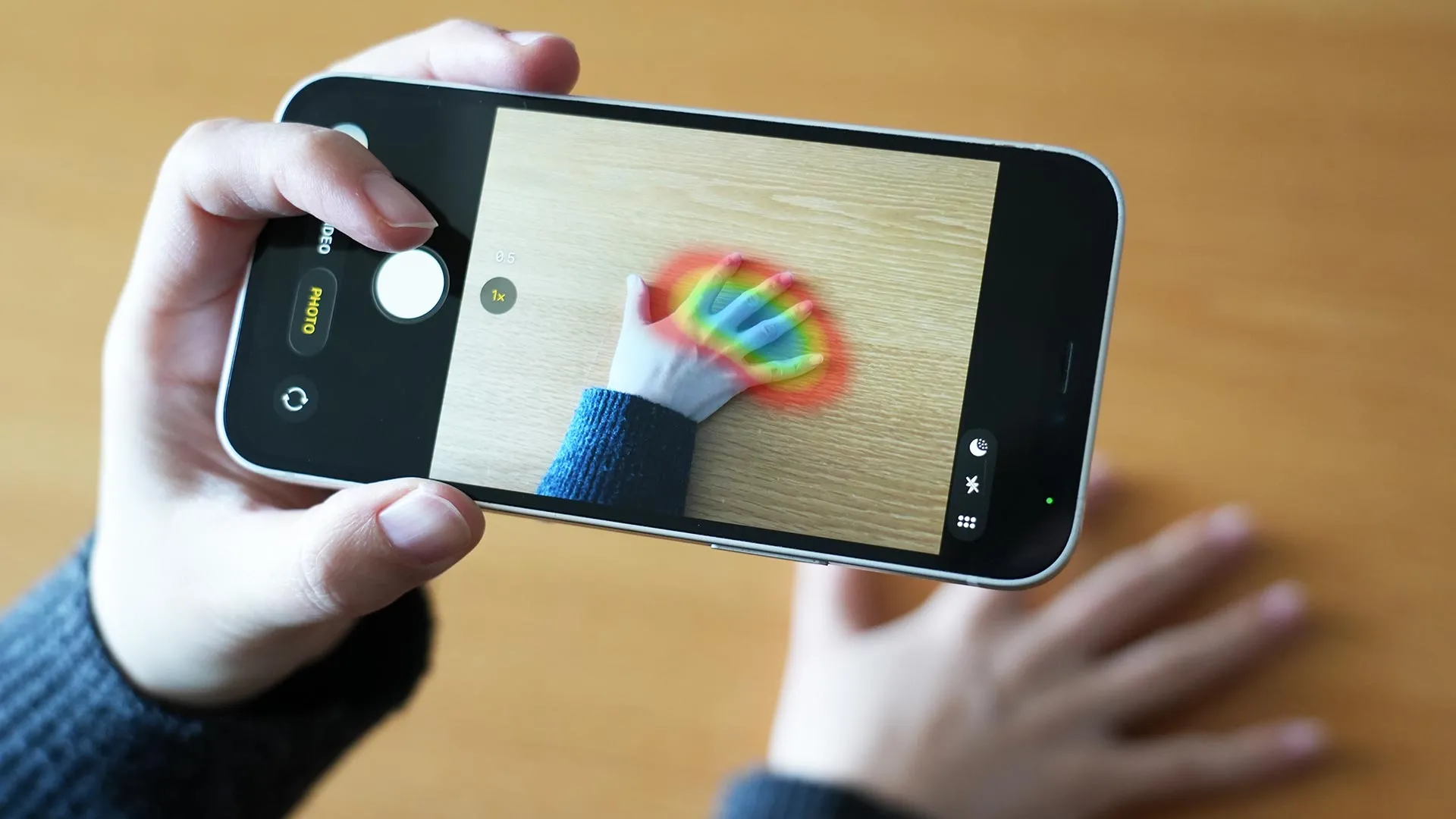
Researchers at Kobe University have created an artificial intelligence system that can identify a rare endocrine disease simply by examining photos of the back of the hand and a clenched fist. The approach avoids facial images, helping protect patient privacy while still achieving high diagnostic accuracy. Scientists say the technology could eventually help doctors refer patients to specialists more quickly and improve access to care in underserved areas.
The disease the AI targets is acromegaly, an uncommon condition that usually appears in middle age. It is caused by excessive production of growth hormone, which leads to enlarged hands and feet, changes in facial appearance, and abnormal growth of bones and internal organs. Because the disorder develops gradually over many years, it can be difficult to recognize early.
If untreated, acromegaly can lead to serious health problems and shorten life expectancy by about 10 years. “Because the condition progresses so slowly, and because it is a rare disease, it is not uncommon to take up to a decade for it to be diagnosed,” says Kobe University endocrinologist Hidenori Fukuoka. He adds, “With the progress of AI tools, there have been attempts to use photographs for early detection, but they have not been adopted in clinical practice.”
A Privacy Focused AI Approach Using Hand Images
When the research team reviewed existing AI studies, they found that many systems depend on facial photos to identify disease. However, facial recognition can raise privacy concerns for patients. To address this issue, the scientists chose a different strategy.
Yuka Ohmachi, a graduate student at Kobe University, explains, “Trying to address this concern, we decided to focus on the hands, a body part we routinely examine alongside the face in clinical practice for diagnostic purposes, particularly because acromegaly often manifests changes in the hands.”
To strengthen privacy protections, the researchers limited their images to the back of the hand and a clenched fist. They intentionally avoided palm images because palm line patterns are highly individual and could reveal identity. This careful approach helped recruit a large number of participants. In total, 725 patients from 15 medical institutions across Japan contributed more than 11,000 images used to train and test the AI model.
AI Outperforms Experienced Specialists
The team reported their results in the Journal of Clinical Endocrinology & Metabolism. Their AI model demonstrated very high sensitivity and specificity when identifying acromegaly from the hand images. In direct comparisons, the system even performed better than experienced endocrinologists who evaluated the same photographs.
“Frankly, I was surprised that the diagnostic accuracy reached such a high level using only photographs of the back of the hand and the clenched fist. What struck me as particularly significant was achieving this level of performance without facial features, which makes this approach a great deal more practical for disease screening,” says Ohmachi.
Expanding Medical AI to Other Conditions
The researchers now hope to adapt their system to detect additional medical conditions that produce visible changes in the hands. Possible targets include rheumatoid arthritis, anemia and finger clubbing. Ohmachi says, “This result could be the entry point for expanding the potential of medical AI.”
Supporting Doctors and Improving Access to Care
In real clinical settings, doctors rely on far more than hand images when diagnosing patients. Medical history, lab tests and physical exams all play important roles. The Kobe University researchers see their AI tool as something that could assist physicians rather than replace them. In their study, they describe the technology as a way to “complement clinical expertise, reduce diagnostic oversight and enable earlier intervention.”
Study lead Fukuoka says: “We believe that, by further developing this technology, it could lead to creating a medical infrastructure during comprehensive health check-ups to connect suspected cases of hand-related disorders to specialists. Furthermore, it could support non-specialist physicians in regional healthcare settings, thus contributing to a reduction of healthcare disparities there.”
The research received funding from the Hyogo Foundation for Science Technology. The project also involved collaborators from Fukuoka University, Hyogo Medical University, Nagoya University, Hiroshima University, Toranomon Hospital, Nippon Medical School, Kagoshima University, Tottori University, Yamagata University, Okayama University, Hyogo Prefectural Kakogawa Medical Center, Hokkaido University, International University of Health and Welfare, Moriyama Memorial Hospital and Konan Women’s University.