dailynewsnblog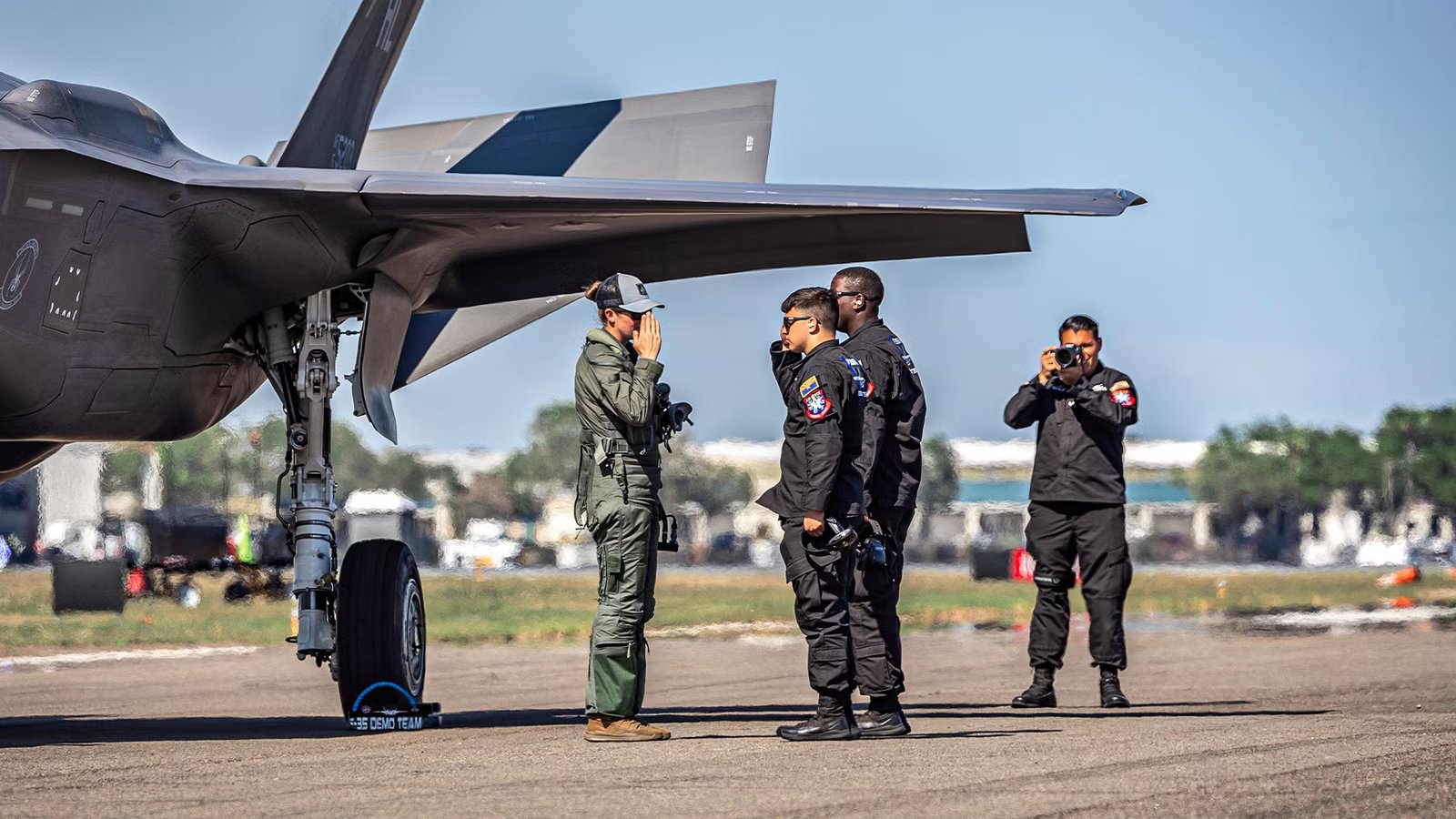
To combat a persistent pilot shortage and aggressive recruiting by commercial airlines, the US Air Force now offers bonuses of up to $50,000 per year, which can compound to a maximum of $600,000 over a total of 12 years. Despite competitive pay and benefits, like pensions and free healthcare, commercial airlines still offer vastly superior earning potential, with senior widebody captains earning more than double what even the top-most military officers earn.
A brand new, shiny Second Lieutenant receives a base pay of around $49,800, but with benefits, the total compensation can be up to $90,000. Senior officers earn $100,000 or more, and some can earn total compensation that exceeds $200,000 or $300,000 a year. Even so, airlines can beat Uncle Sam in the pay department, and retention has suffered. At the same time, there are some other factors at play that illustrate more nuanced reasons why USAF officers in one of the most desirable jobs in the military are ‘punching out’ to fly the friendly skies instead.

A Captain with four to ten years of service, when factoring in flight incentives and other benefits, can fall between $115,000 on the low end and up to $155,000 on the high end. The year 2026 also saw a 3.8% baseline raise for all military personnel, including enlisted and officers. Basic allowance for housing ranges from $20,000 to $40,000 annually, and an allowance for subsistence is around $5,500 a year.
Looking at the field-grade leadership of the USAF, Lieutenant Colonels and Colonels earn between $87,000 and $124,000 per year as base pay. Flight Pay can also hit a max of $1,000 per month, depending on time in service. That puts total compensation from $120,000 to over $200,000. The US Government also caps O-6 Pay at just over $15,000 per month. The total annual compensation for an O-4, or Major, in 2026 can range from $150,000 to over $170,000 annually.
The total yearly compensation for Generals typically ranges from $225,000 to over $300,000. Brigadier Generals, grade O-7, are the first rank in this echelon of the USAF. The pay for O-7s is between $11,000 and $17,000 on average. Moving up to Major General, or O-8, Pay starts around $13,000 and tops out at the federal cap of $18,999 per month. Lieutenant Generals and Generals, O-9 and O-10, all typically hit the monthly cap of $18,999.
The Greener Grass On The Commercial Side

Commercial airlines can offer two or three times the base salary of the USAF to a pilot. This is already enough of an incentive for many pilots to opt out of the service. Compounding the massive financial gap is the disparity between the work-life balance. At an airline, pilots leave work in the cockpit every day when they finish flying. In the USAF, the high operational stress of both flying and non-flying duties is a well-known constant pressure of life in the military.
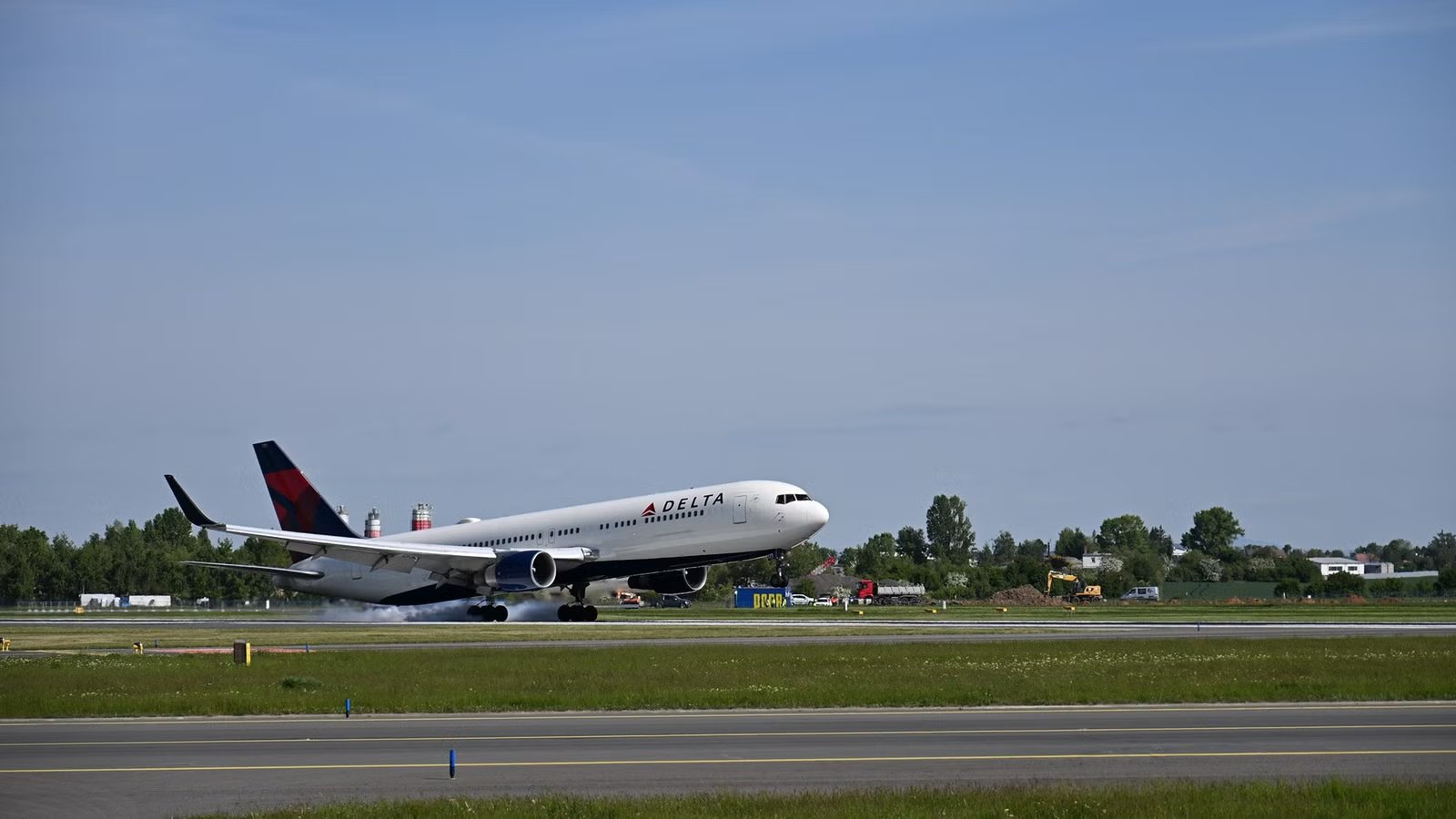
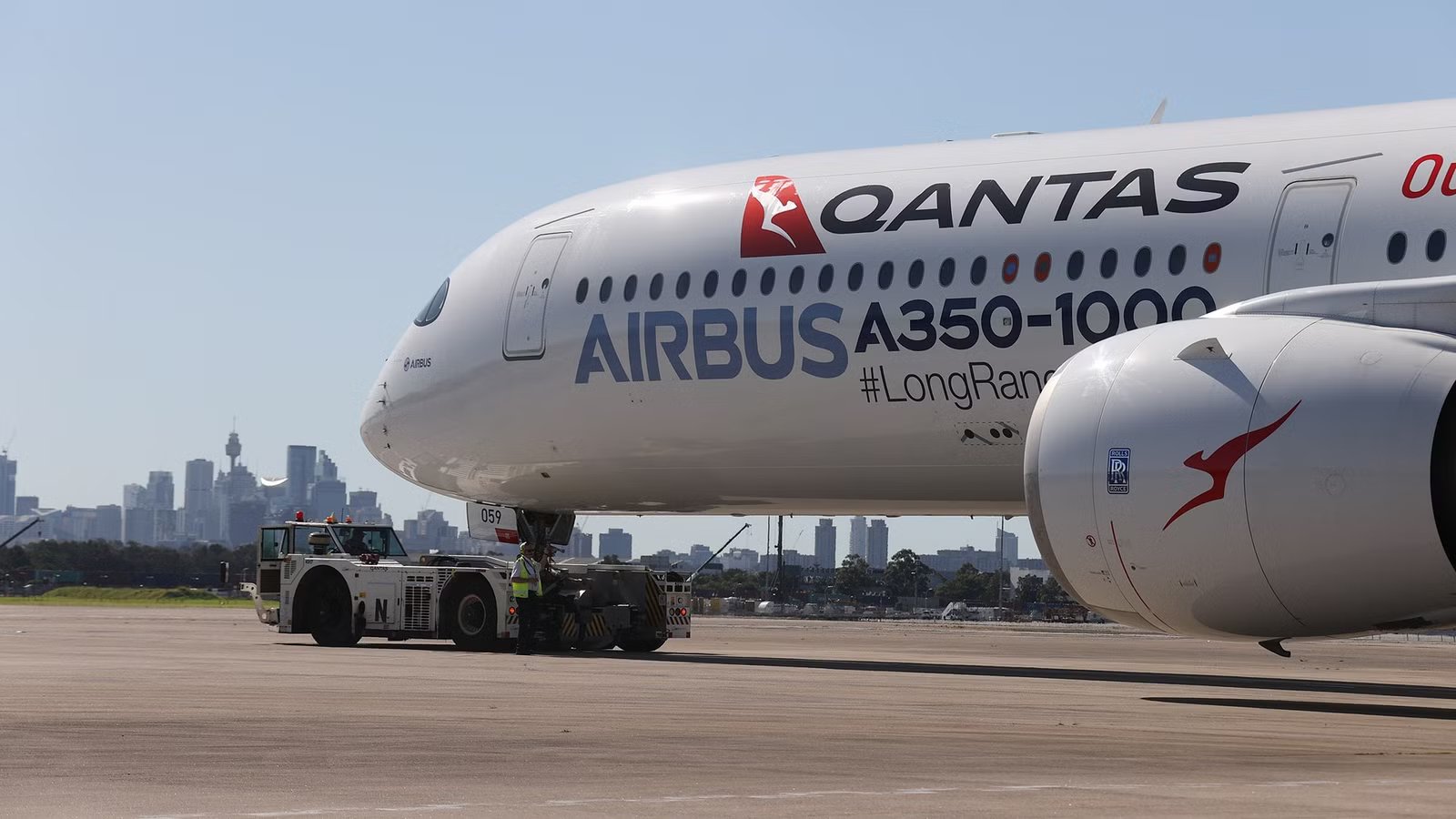
Mid-career USAF Pilots can earn around $120,000 compared to airline captains who earn about $250,000 or as much as $350,000. Senior airline captains, especially those flying the biggest widebodies, can earn over $550,000 annually. On top of that are perks like Delta Air Lines’ 17% to 18% direct 401(k) contribution and a range of other incentives.
Military Pilots often face high operating tempos, frequent deployments, and administrative duties that take them away from flying. Airlines offer more stable schedules and a better work-life balance. Airline Pay is also heavily based on seniority, so pilots who leave the military early can start building seniority sooner, leading to much higher lifetime earnings.
A severe shortage in the civilian sector has led major airlines like Delta Air Lines, United Airlines, and American Airlines to aggressively recruit. Military Pilots often meet the FAA’s 1,500-hour requirement for an Airline Transport Pilot certificate immediately upon separation, making them ‘plug-and-play’ hires. This has led airlines to offer record-high pay and accelerated career paths.

What Is The Typical Salary For A Fighter Jet Pilot In The US?
Fighter pilots are exceptionally well-paid.
The Problem With Aviation Incentive Pay

In the US Air Force, Flight Pay, officially known as Aviation Incentive Pay or AvIP, is a monthly stipend to reward military aviators for specialized skills and the risk they take every time they fly. It ranges from $150 to $1,000 per month depending on experience, and is widely considered insufficient to match the skyrocketing compensation in the commercial airline industry. This is primarily because its rates are fixed by law and do not scale with market demand or inflation.
Current market data shows that for every year a pilot stays in the military instead of joining an airline, they lose potential earnings. For a new pilot, flight pay is $150 per month, and at the two-year mark it increases to $250. For 6 years in the cockpit, pilots receive $700 per month. Once a pilot has been flying for 12 years, they hit the maximum cap of $1,000 a month in incentive pay. Figures have not been updated in decades by the federal government.
Even with the Air Force offering retention bonuses of up to $600,000 over 12 years, senior airline captains can still earn significantly more over the same period. Some airlines even offer specialized programs to attract military talent, such as Frontier Airlines’ $50,000 sign-on bonus for transition training or SkyWest Airlines offering tuition reimbursement and bonuses.

Is It True That US Air Force Pilots Can Make A Livable Salary?
The financial reward for service.
Grounded Wings Of Gold And The Office Grind

For many pilots, the career shift to field grade (Major to Colonel) is viewed as undesirable because it replaces the cockpit with a desk, while simultaneously offering compensation and lifestyle benefits that lag far behind the commercial airline industry. Majors, grade O-4, are expected to be leaders and managers first and pilots second.
Military Pilots are often burdened with administrative duties, staff work, and deployments that take them out of the cockpit. While some O-4s maintain proficiency hours to keep their qualifications, their primary focus shifts to staff work. At a commercial airline, they are paid specifically to fly, with much more predictable schedules.
As pilots approach their O-4 promotion, the financial incentive to leave for the major airlines becomes overwhelming as well. While the military pension is a gold standard, it requires 20 years of service. Major airlines often provide direct 401(k) contributions, which frequently outpace the value of the military pension for those who could have been earning higher civilian salaries during those same years.

A Look At The Salaries Of US Navy Fighter Pilot Instructors In 2026
What it pays to be train the Navy’s fly boys.
The Needs Of The Service: Uncle Sam’s Career Guidance

In the US Air Force, another major factor in career satisfaction is the fact that the actual work that you do is sometimes decided by bureaucracy. Critics argue that the USAF lacks career agency at the outset, forcing pilots into rigid 10 to 12-year service commitments for aircraft or jobs they did not choose. Even when an individual demonstrates the merit of receiving the role they have been working towards, assignments can be seemingly random.
For every graduating class of student pilots, the Air Force Personnel Center sends a ‘drop list’ of available airframes, or quotas, to the training base. This list is unpredictable. One class might have several F-35 slots, while the next has none. The top student usually gets their choice, but not always. High-performing graduates are sometimes assigned to remain at the training base as First Assignment Instructor Pilots. This delays their entry into operational combat units, which some view as a death sentence for their career.
Many pilots join for the passion of flying, but being forced into a non-flying or ‘office-heavy’ track early on reinforces the perception that the military prioritizes bureaucracy over aviation. Recent policy changes have also allowed the Air Force to place graduates into non-standard jobs outside of their chosen fighter or bomber units to fill immediate gaps, which some fear may further degrade morale among new aviators.

A Look At The Salaries Of US Navy Fighter Jet Pilots In 2026
What it pays to strap into a Navy strike fighter.
Why A Select Few Choose To Stay In Uniform

Yet for all the negatives that are listed as reasons why many pilots choose to make the transition to commercial flying, there are still a great many Air Force officers who stay in uniform for 20 or even 30 years. For these career aviators, the job is not simply about flying but rather a mission.
For many, the paycheck doesn’t matter nearly as much as the type of airplane that they can fly. And looking beyond the cockpit, many consider the fulfillment of the overarching purpose of why they fly to be the motivator to stay in the service. Even behind a desk, pilots promoted to field grade or higher contribute as much to the purpose of every flight as they did when they were the ones on the flight deck.
Whether it is providing humanitarian aid, conducting search and rescue, or supporting national security, many find the unique experience of military flying to be a powerful motivator that an airline’s ‘bus-driving’ routine lacks.
The experience of serving in the military also fosters a level of intense brotherhood and teamwork rarely found in the airlines. Commercial Pilots often fly with different partners every day and may not even recognize their Chief Pilot. This powerful camaraderie is just as inspiring to many pilots as the excitement of flying a fighter jet or the powerful sense of purpose that the Air Force mission inspires.