dailynewsnblog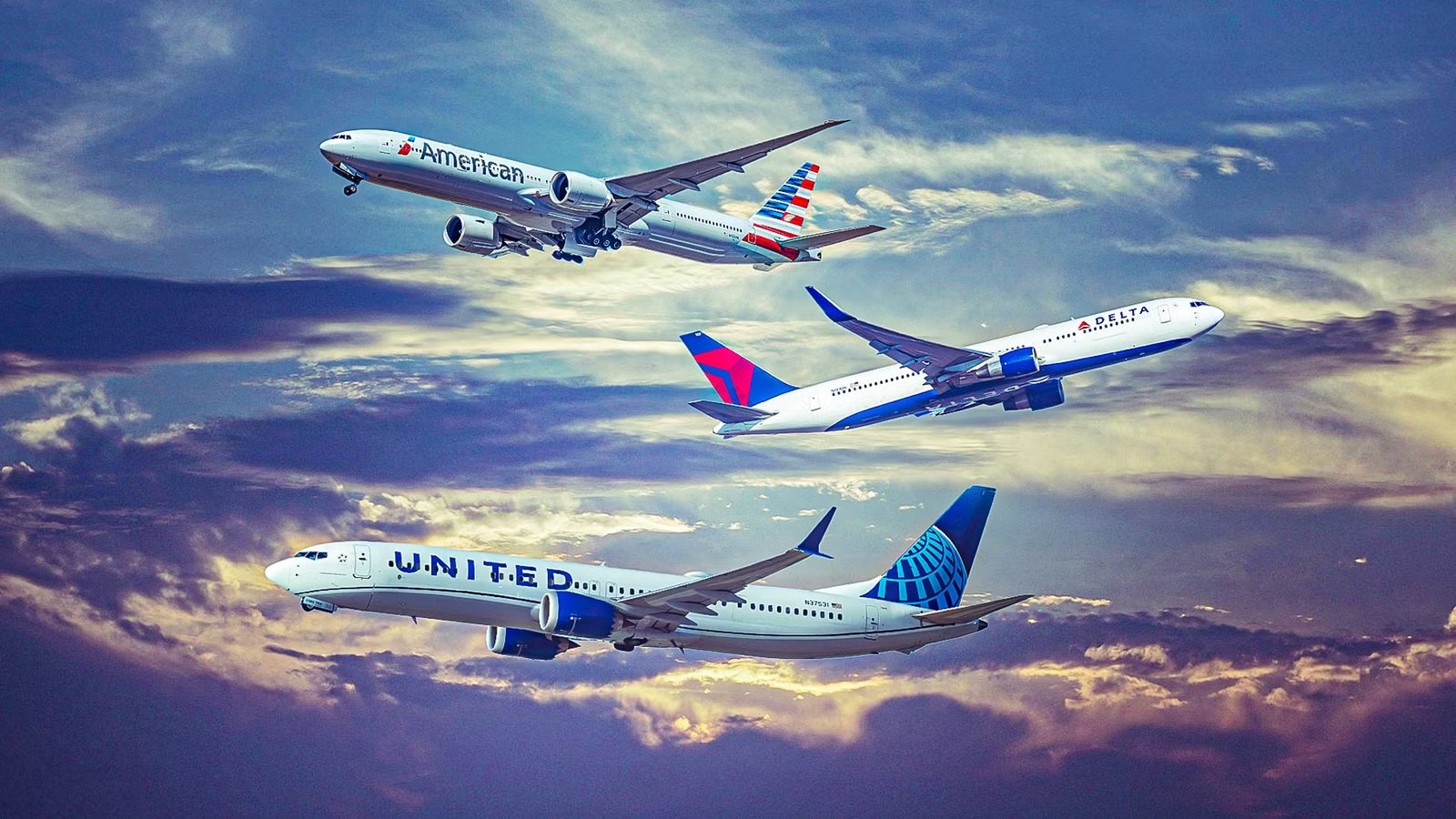
Pilot pay has always been one of the most closely followed and debated aspects of commercial aviation. With major labor contracts being renewed and a persistent shortage of qualified flight crew, 2025 was another milestone year for pilot earnings. Salaries at the ‘big three’ US airlines –  American Airlines,
  Delta Air Lines, and
  United Airlines – have climbed to record levels, driven by demand and strengthened union negotiations.
From new first officers earning six figures to captains taking home nearly half a million dollars annually, compensation in the cockpit has never been higher. These changes reflect not just wage inflation, but a redefinition of how airlines value their most essential professionals. At the same time, this surge in pay underscores the dramatic evolution of the pilot career path in the United States. Pilots today enjoy more leverage, more transparency, and more long-term security than at any point in modern aviation history.
Airlines competing for experienced crew have transformed salary structures, benefits, and lifestyle provisions to remain attractive in a competitive market. For flight students and professionals alike, the landscape of opportunity is expanding faster than ever before. In this article, we will explore the numbers behind the pay boom, what drives these trends, and how the new era of pilot compensation is shaping the future of aviation.
From Shortage To Power Shift In Pilot Pay

Pilot salaries in the US have reached new heights, reflecting both economic recovery and an industry transformed by labor negotiations. According to ATP Flight School, the average airline pilot now earns around $186,000 per year, though exact figures vary widely by aircraft type, experience, and employer. Captains at major carriers can exceed $500,000 annually when factoring in bonuses, per diems, and overtime pay. These record numbers stem from an industry grappling with demand that far outpaces the available pilot supply.
The result is a market where pilots, rather than airlines, finally hold the negotiating power. Delta Air Lines’ landmark 2023 contract marked a turning point. The agreement raised pilot pay by 34% over four years and sent Flight School a clear signal across the aviation world that the era of stagnant wages was over. Competitors such as American and United quickly followed with similar wage adjustments to keep talent from migrating.
These moves created a ripple effect that boosted compensation even at smaller carriers seeking to remain competitive. The collective impact has reshaped the economics of flying for the better. Despite the progress, stark contrasts remain between different tiers of the profession. A regional first officer still earns only a fraction of what a senior widebody captain makes, with the annual gap often exceeding $400,000.
This disparity reflects both aircraft complexity and airline profitability. It also underscores the career-long progression that defines commercial aviation, where seniority determines not only pay but lifestyle and route preference. For many new pilots, the path to the left seat may be long, but the rewards at the top have never been greater.
Inside The Pay Charts Of America’s Aviation Giants

Acron Aviation Academy reports that Delta Air Lines currently leads the pay race among the big three, with American and United following close behind. The differences reflect timing in contract renewals and airline profitability rather than a fundamental disparity in policy. Delta’s early adoption of new wage scales has set the benchmark for legacy carriers across the US. The figures highlight just how competitive pilot compensation has become, with all three airlines fighting to secure and retain talent amid high demand.
Delta’s lead in pay reflects not only strong profits but also the timing of its industry-setting contract renewals. American and United have narrowed the gap through new agreements that emphasize stability and long-term incentives. Together, the big three now define the benchmark for pilot compensation across the global aviation industry.
|
Estimated Pilot Pay Across The Three Big Airlines |
|||
|---|---|---|---|
|
Position/Aircraft Type |
American Airlines |
Delta Air Lines |
United Airlines |
|
First Officer, Narrowbody |
$110–$165K |
$120–$175K |
$115–$170k |
|
Captain, Narrowbody |
$220-$280K |
$230K-$290K |
$225–$285K |
|
First Officer, Widebody |
$160–$240K |
$170-$260K |
$165–$250K |
|
Captain, Widebody |
$350K-$475K |
$360K-$500K |
$355–$480K |
|
Average Across All Ranks |
$230K |
$250K |
$240K |
Delta’s stronger pay reflects its profitability and earlier contract renegotiations, while United’s new performance-based bonuses are closing the gap, particularly on international routes. American’s compensation remains competitive thanks to structured step increases and profit-sharing incentives tied to operational reliability. These salaries represent the highest pilot earnings in US airline history, setting a standard that reshapes what aviation professionals can expect across their careers.

Do Private Jet Pilots Make More Than Commercial Pilots?
The answer is more complicated than you might expect.
What Really Decides A Pilot’s Paycheck?

The US Bureau of Labor Statistics reports median annual earnings for pilots, copilots, and flight engineers at $219,140, with the top 10% surpassing $350,000. Salaries are influenced by several factors, including experience, aircraft type, and flight hours, but seniority remains the dominant force. Those hired earlier in their careers typically advance faster, gaining access to widebody fleets and long-haul routes sooner. These premium assignments can nearly double the earnings of pilots operating smaller domestic aircraft.
Union contracts have also reshaped pilot compensation across the big three carriers. Between 2023 and 2025, American, Delta, and United all negotiated new multi-year deals that delivered record pay raises and improved scheduling flexibility. These agreements secured both higher base pay and enhanced quality-of-life provisions that were long sought by pilot unions. The result is a profession more stable and lucrative than at any point in modern airline history.
Profit sharing and performance bonuses have become core retention tools. Airlines now compete not just on base pay, but on total compensation packages that include non-salary benefits. The expanded incentives appeal especially to veteran pilots weighing choices between airlines or job stability. In many cases, the contracts of today represent more than pay rises: rather, they reflect a new era of career security for cockpit crews.
The Climb From Rookie To Captain

According to Acron Aviation Academy, new first officers at regional airlines usually begin their careers earning between $45,000 and $60,000 annually, reflecting the entry-level phase of professional flying. These early years are about building flight hours and experience rather than income, but the transition to a major carrier changes everything. Once pilots join airlines like Delta, United, or American, their earnings can double within just two years, signaling one of the fastest salary progressions of any skilled trade in the US economy.
Delta’s pay scale, as highlighted by Acron, shows new hires earning around $92 per flight hour, while senior captains operating widebody aircraft earn over $330 per hour. This disparity represents not only experience but also the complexity and responsibility of long-haul international operations. Flight hours typically range between 70 and 85 per month, meaning a pilot’s paycheck can fluctuate significantly based on schedule, seniority, and aircraft type. As pilots progress, additional income often comes from overtime, international per diems, and training bonuses.
This steep trajectory is why pilot training remains in such high demand across the US. Aviation schools report record enrollment as more people pursue careers that offer both adventure and long-term earning potential. The early years can be financially challenging, but the promise of six-figure salaries within a decade keeps new students committed. For many aspiring aviators, the climb from instructor to major airline captain is not just a career path, but a route to lasting financial independence and global opportunity.

What Is The Typical Salary For A Delta Air Lines Pilot?
Pilot salaries can vary considerably based on rank, seniority, and the type of aircraft being flown.
The Appeal Of More Than Just A Salary

Money is only part of the story. Pilots at the big three benefit from robust packages that often include retirement matching, profit sharing, and global travel privileges. According to Thrust Flight, they note how comprehensive benefits and job security elevate aviation careers among high-earning professions. These perks, alongside more flexible scheduling, appeal especially to younger generations entering the profession.
Modern rostering systems and expanded crew bases play a key role in enhancing work-life balance. Technology now supports smarter schedule bidding and real-time fatigue monitoring to ensure adequate rest while maintaining operational efficiency. Airlines have learned that happier crews translate into better retention and higher safety standards. The result is a lifestyle stability that pilots of earlier eras could scarcely imagine.
These advances reinforce that the pilot’s package isn’t just about salary: rather, it is also about quality of life and career longevity. Access to premium benefits, stable scheduling, and professional support make the differences between airlines more than financial. As the industry evolves, these soft factors are becoming as critical as pay in attracting and retaining talent.
Pilots In The Post-Pandemic Era

The rise in pilot pay since 2020 reflects more than simple economics: rather, it marks a broader revaluation of professional expertise in aviation. Airlines discovered during the pandemic that losing experienced pilots made recovery far more difficult than anticipated. As a result, they have restructured contracts to retain talent through stability, benefits, and consistent pay increases. These new agreements symbolize both an apology for past underpayment and a long-term commitment to workforce resilience.
Across the US, flight schools are seeing record levels of enrollment. New students are drawn by the combination of adventure and financial reward that aviation uniquely offers. The US remains the global leader in pilot training, exporting instructors, curriculum models, and safety standards to other countries. This influence reinforces the country’s position as a cornerstone of international aviation.
As fleets expand and technology evolves, pilot career paths are becoming more diverse. Many aviators now balance roles in flying, instruction, and corporate operations, creating hybrid professional lives that didn’t exist a decade ago. As such, for the next generation, the cockpit represents both a career and a lifestyle built on flexibility, respect, and opportunity.