dailynewsnblog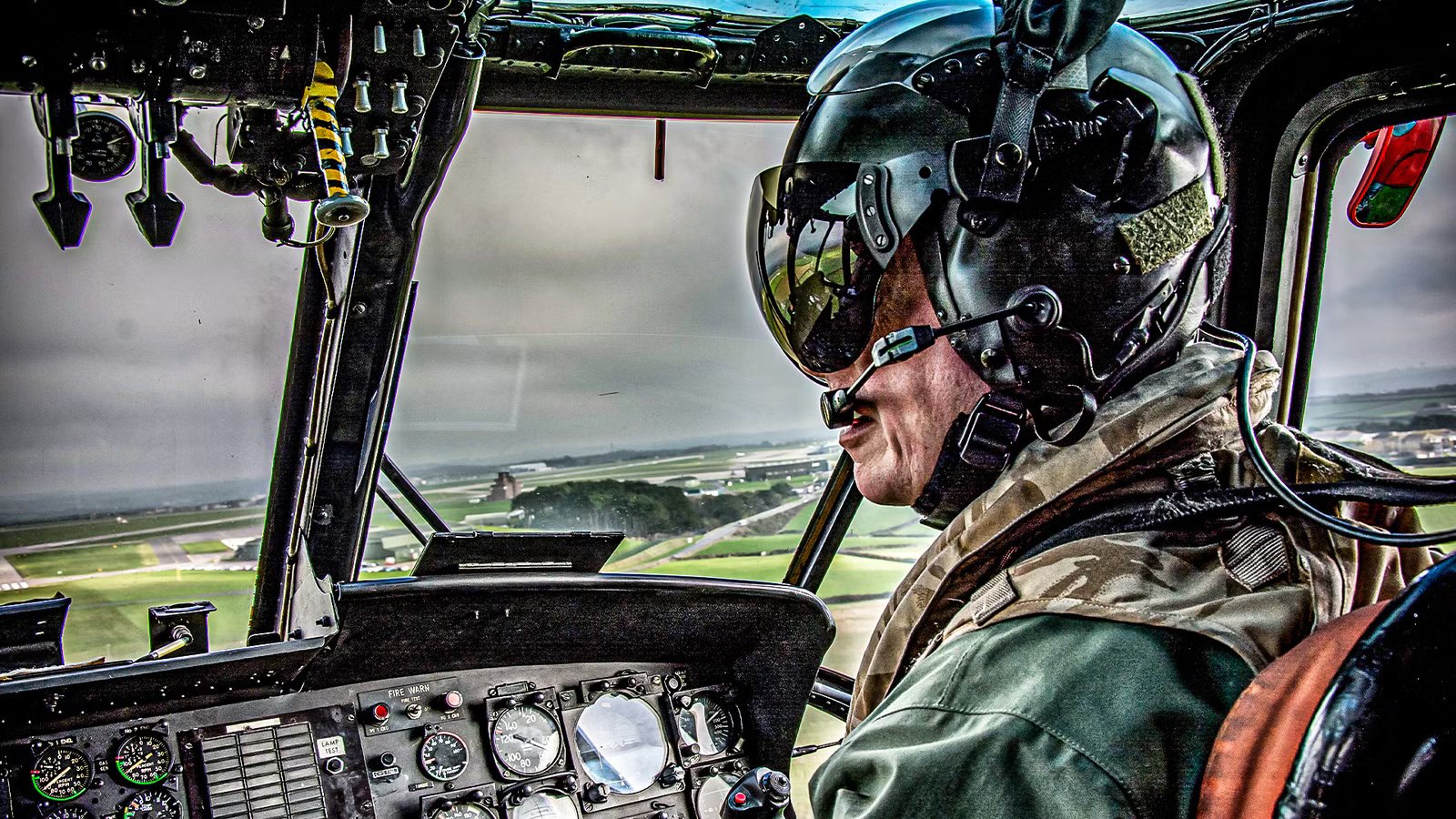
Being a Royal Navy pilot is one of the toughest and most exciting jobs in the military. From the moment you begin training, you earn a solid salary while learning to operate advanced helicopters and jets in various conditions. Additionally, Royal Navy pilots receive extra pay and numerous benefits that make the career truly rewarding.
This guide outlines what Royal Navy pilots earn at each stage, from starting their careers as trainees to leveling up to senior Captains. We’ll look at base salaries, flight bonuses, deployment pay, and other perks to give you a clearer understanding of what life is like for Royal Navy pilots.
Starting Pay For Royal Navy Pilots In Training

Royal Navy Pilots start their careers with a salary of about £34,676 ($45,724), according to official Royal Navy career information. This pay begins on day one as part of a special aviation pay structure and reflects the level of responsibility associated with training to become a Fleet Air Arm officer.
During their training, recruits first undergo Initial Naval Officer Training and then move on to flight training. At this point, they are already earning a salary while learning the academic and practical parts of flying. They prepare to operate aircraft in challenging maritime settings.
|
Category |
Details |
|
Starting Salary |
~£34,676 ($45,724) |
|
Pay Type |
Bespoke Aviation Pay |
|
Additional Pay |
Begins After Flying Training |
|
Full Career Potential |
£94,013+ ($123,966) rising to £117,500+ ($154,936) |
This salary level is the lowest tier and represents the beginning stage of a Royal Navy pilot’s career. Although the starting pilot salary is competitive, it does not yet include extra flying pay or the significant raises that come with promotions and operational experience. As reported in the Royal Navy career information, there is the “potential to earn up to £94,013 before transferring to regular pay.”
Sub-Lieutenant Royal Navy Pilot Salaries After Qualification

Once Royal Navy pilots finish their basic flight training, they are promoted to Sub-Lieutenant and experience a significant increase in pay. According to the Royal Navy’s official website, Sub-Lieutenants earn at least £41,456 ($54,664) per year. They also take on new operational responsibilities and gain the status of qualified aircrew within a frontline squadron.
At this point, pilots start to gain experience in real-world flying situations, whether in helicopters or fixed-wing aircraft at sea or onshore. Their main role involves managing mission tasks and preparing for more leadership responsibilities.
Along with their base salary, Sub-Lieutenants receive various allowances and benefits. These include subsidized travel, accommodation, and food (fully covered during deployments at sea or on operations), around six weeks of paid vacation, free medical and dental care, and access to sports facilities.

How Much Do UK-Based Pilots Make?
UK pilots earn more than their French and Italian counterparts, but less than their US and German counterparts on average.
Lieutenant Royal Navy Pilot Pay In Early Career

Once Royal Navy pilots are promoted to Lieutenant, their pay increases significantly. They earn £52,815 ($69,642) per year, according to official Royal Navy information. At this stage of their careers, they have growing operational experience and assist with squadron tasks.
At this point, pilots are fully qualified and conduct operational missions in helicopters or fixed-wing aircraft. Their role involves planning and carrying out maritime missions, supporting Royal Marines, and taking part in strike or reconnaissance operations. Pilots continue to receive subsidized travel, accommodation, and meals during deployments, along with six weeks of paid holiday and free medical and dental care.
Additional benefits include opportunities for further qualifications and career advancement within the Fleet Air Arm. Along with adventurous training and global deployments, the Lieutenant pay scale rewards both skill and experience. This marks an important step early in the careers of Royal Navy pilots.
Mid-Level Royal Navy Pilot Earnings

Mid-level Royal Navy pilots take on more responsibilities. They might lead smaller flight operations, mentor junior officers, and coordinate complex missions with helicopters and fixed-wing aircraft. They may also perform specialist tasks, such as instructor training or tactical planning, as part of their growing role in the Fleet Air Arm.
Mid-level Royal Navy pilots generally earn more than the standard pay for a second-promotion Lieutenant. A Lieutenant at this level earns around £52,815 ($69,642) or more. In contrast, pilots receive customized Aviation Pay at this stage, with the potential to make up to £94,013 ($123,966) before standard pay. They can potentially earn over £117,500 ($154,936), making them significantly higher earners than their early-career counterparts.
In addition to higher pay, these pilots enjoy full officer benefits. These include subsidized travel, accommodation, and meals at sea, six weeks of paid holiday, and free medical and dental care. They also gain opportunities for further training and global flying experience, which prepare them for more senior roles in the Navy.
Additional Flying Pay And Allowances For Royal Navy Pilots

According to a guide from Aviation Job Search, Royal Navy pilots get extra payments on top of their base salary for actively flying aircraft. These payments, known as Aviation Incentive Pay (AvIP), reward pilots for operational flying duties and the responsibilities of handling advanced naval aircraft.
These extra payments start once pilots are fully qualified and flying operational missions. Pilots who fly more advanced or specialized aircraft, or those sent to challenging environments, usually earn higher flying allowances and may get extra pay for hazardous duties.
In addition to these flight-specific payments, pilots can also earn bonuses for qualifications, retention incentives, and extra allowances for extended deployments. Together with their base pay, these incentives can significantly boost their total earnings, making naval aviation a very competitive career path.

US Navy Pilots In Training No Longer Need To Land On An Aircraft Carrier To Graduate
The roadmap to the wings of gold is changing.
Carrier-Based Royal Navy Pilot Salaries

Operating from an aircraft carrier is one of the most demanding jobs in the Royal Navy. Pilots take off and land on moving flight decks in rough seas and varying weather. This calls for additional training, precise flying skills, and the ability to make fast decisions under pressure.
According to Royal Navy career information, carrier-based pilots begin with a specialized Aviation Pay of about £34,676 ($45,724). This amount matches the standard starting pay for newly trained Royal Navy pilots. However, the complexity and risks of carrier operations often come with extra payments. These can include incentives for hazardous duties, extended deployments, and flying advanced aircraft like the F-35 Lightning or Wildcat helicopters.
In addition to these payments, carrier-based pilots receive standard officer benefits. These include subsidized travel, meals, and accommodation at sea, six weeks of paid vacation, and full medical and dental coverage. They also have access to ongoing training and leadership opportunities that help them prepare for advanced roles within the Fleet Air Arm while operating at the front lines of naval aviation.
Helicopter And Fixed-Wing Royal Navy Pilot Roles And Pay

Royal Navy pilots can operate either helicopters or fixed-wing aircraft, and their responsibilities can differ significantly. Helicopter pilots often concentrate on transport, search and rescue, and anti-submarine warfare. In contrast, fixed-wing pilots are more likely to engage in strike, reconnaissance, and combat missions.
Pay is not determined solely by the type of aircraft. Instead, earnings vary based on experience, role, and the missions pilots undertake. For instance, pilots flying advanced aircraft or involved in more challenging deployments may earn more due to extra allowances.
According to various aviation career guides, factors such as operational flying, deployment duration, and specialized roles usually have a greater effect on total pay than the type of aircraft alone.
Senior Officer Salaries (Lieutenant Commander)

Lieutenant Commander pilots have greater responsibilities. They help plan more complex missions and help train and guide junior pilots. At this level, they spend less time flying and more time making decisions that impact operations.
The official Royal Navy pay information does not provide an exact figure for Lieutenant Commanders. We know it is more than a lieutenant’s £52,815 ($69,642) but less than the top officer’s pay of £122,849 ($161,989). In addition to their base pay, pilots can earn additional money through Aviation Pay and allowances for hazardous duties or deployments.
These pilots enjoy all the usual benefits: subsidized travel, meals and accommodation, six weeks of vacation, and free medical and dental care. They also have opportunities to learn new skills and fly on deployments worldwide, keeping the job interesting while taking on more responsibility.

What Is The Typical Salary For A Fighter Jet Pilot In The US?
Fighter pilots are exceptionally well-paid.
Senior Royal Navy Pilot Pay: Commander and Above

At the senior level, Royal Navy pilots can become Commanders and eventually Captains. These positions involve leading squadrons, managing complex missions, and mentoring junior officers. These positions combine operational flying with important management responsibilities.
Pay reflects this responsibility. The highest-ranking pilots, including captains, earn up to £122,849 ($161,989) per year, according to Royal Navy career information.
Senior pilots also receive full officer benefits, including six weeks of holiday, free medical and dental care, and subsidized travel, meals, and accommodation during deployments. These benefits ensure they are well-supported while taking on leadership roles in the Fleet Air Arm.
Total Compensation For Royal Navy Pilots Including Benefits And Bonuses

Royal Navy pilots start with a salary of about £34,676 ($45,724), and they see increases as they gain experience and move up in rank. In addition to their base pay, they earn Aviation Incentive Pay for active flying, along with extra allowances for hazardous duties, special missions, and extended deployments.
Benefits greatly enhance their overall compensation. Pilots receive six weeks of paid holiday, subsidized travel, meals, and accommodation during deployments. They also get full medical and dental care, access to gyms and sports facilities, and support for further education and qualifications.
For senior pilots, total earnings can exceed £117,500 depending on role, flying duties, and allowances. At the highest ranks, such as Captain, base pay alone can exceed £122,849. Additional payments, like flying pay, bonuses, and allowances can increase overall earnings further.