dailynewsnblog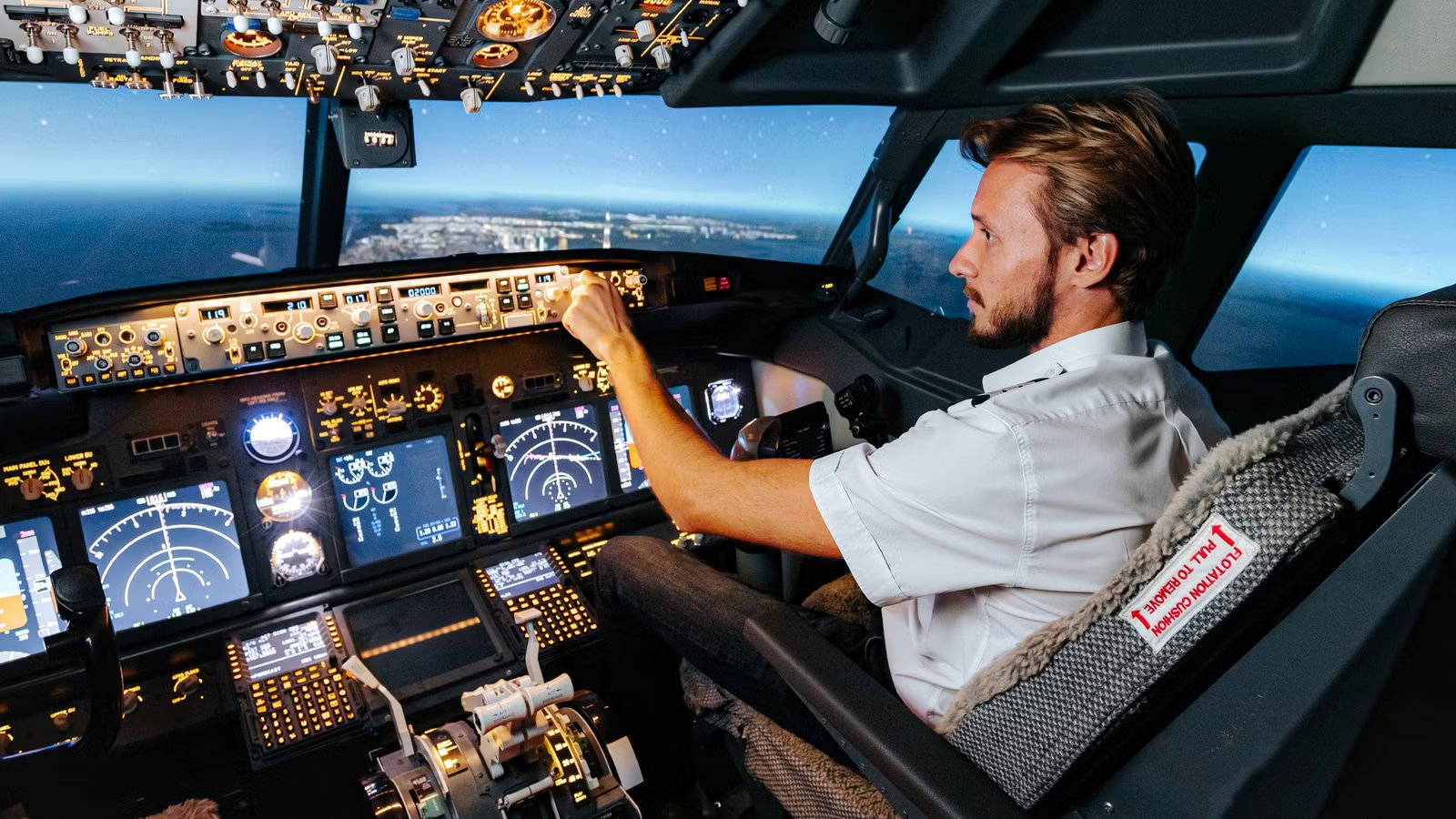
For pilots looking to maximize their incomes, flying for legacy carriers often offers the highest salaries in the industry, although there are exceptions. In their first year, first officer pilots can expect to have a salary of around $100,000 or more when flying with legacy carriers, depending on the number of flight hours worked and other factors. It is important to note that there are many variables in pilots’ salaries, and the figures given are very approximate.
Airlines may organize their pay structure very differently compared with other airlines, complicating comparisons. There is a pilot shortage, making pilots in high demand, compelling airlines to offer competitive salaries. When the reported salaries of two airlines are substantially different, that could be a reflection of different pay structures and not the total net pilot compensation. Here is what to know about how much a first officer (FO) pilot can expect to earn in the United States when flying for legacy carriers.

In the United States, the average salary of a major airline captain is over $200,000, with that figure varying between airlines. A major airline first officer earns substantially less than the pilot and will pull in between $90,000 and $150,000 a year. According to the US Bureau of Labor Statistics (BLS), the median annual wage for airline pilots, copilots, and flight engineers is $226,600.
Breaking this down a little, the lowest 10% earn less than $98,560, while the highest 10% earn more than $239,200. Commercial pilots’ median annual wage sits at $122,670, with the lowest 10% earning less than $59,330 and the highest 10% earning more than $239,200. Unfortunately, the BLS doesn’t break the figures down by captain and first officer, and doesn’t help answer the question of how much FOs earn with legacy carriers.
Pelican Flight Training notes that at the lowest end, a first-year regional first officer will typically earn between $70,000 and $90,000 “in total compensation.” Meanwhile, a senior captain flying a widebody airliner at FedEx can realistically pull in around $350,000 a year. In terms of trends, the BLS reported $226,600 median figure is up from $219,140 in 2023, $211,790 in 2022, and $202,180 in 2021.
Calculating Pilot Compensation Is Complicated

It should be noted that it is very complicated to calculate the true compensation of a pilot. Pelican Flight Training says, “In addition to hourly pay, pilots receive per diem allowances to cover daily expenses like meals when they’re on duty away from their home base.” In reality, this is just the tip of the proverbial iceberg that is adding to the full remuneration of a commercial airline pilot. For example, many airlines offer direct contributions to retirement plans that amount to 15–18% of gross pay.
Some airlines (particularly regional airlines and charter companies) offer sign-on bonuses amounting to $20,000 to $100,000 paid out in installments. Then there are retention bonuses that can offer another $50,000 every three or five years. Some airlines (e.g., Delta and Southwest) pay out a percentage of the airline’s profit, and this can boost income by another 5% to 15%.
Airlines will offer compensation for overtime, allowances for being away from home, insurance, and more. Insurance can be significant. Insurance often goes beyond health insurance to include Loss of License (LoL) Insurance, which can pay out as much as $1 million in the event of a permanent loss of a pilot’s license. At a major airline, a captain might have a base salary of $350,000, but this rises to $448,000 once other benefits are included.

A Look At The Salaries Of The US Big 3 Airline Pilots In 2025
Airlines are in a fierce competition for top talent, and pilots are reaping the rewards. Uncover the factors reshaping the economics of flying.
First Officer Pay By Major Airline

ATP Flight School lists the major US-based airline pilot salaries for first-year first officers. It is unclear exactly how the salaries are calculated, although it says, “additional average of $7k in per diem added to all but Avelo due to stipend. Note: these numbers are approximations and are not promises of future earnings.” The calculated pay for major airlines was based on flying A320/737 narrowbody aircraft and a variable number of hours.
It is important to note the hours worked per month when comparing headline figures. The ATP Flight school lists United Airlines as having the edge with a first officer salary in the first year of $115,621 when flying 73 hours a month. American Airlines and Delta Air Lines both come next with salaries of $113,476 when working one hour less (72 hours a month).
|
Airline (per ATP Flight School) |
First official salary in 1st year |
Flown hours worked (per month) |
Aircraft type |
|---|---|---|---|
|
American Airlines |
$113,476 |
72 |
A320/737 |
|
Delta Air Lines |
$113,476 |
72 |
A320/737 |
|
United Airlines |
$115,621 |
73 |
A320/737 |
|
Alaska Airlines |
$119,245 |
75 |
737 |
|
Southwest Airlines |
$125,731 |
87 |
737 |
Alaska Airlines can be considered a major US airline, having around 6% of the domestic market and more when its recent acquisition of Hawaiian Airlines is accounted for. Flying with Alaska, first officers can expect to pull in $119,245 when flying 75 hours a month. Southwest Airlines stands out with the number of hours flown in the calculation leaps to 87 hours monthly, with the corresponding salary climbing modestly to $125,731.

What Is The Typical Salary For A Fighter Jet Pilot In The US?
Fighter pilots are exceptionally well-paid.
First Officer Pay By Other Airlines

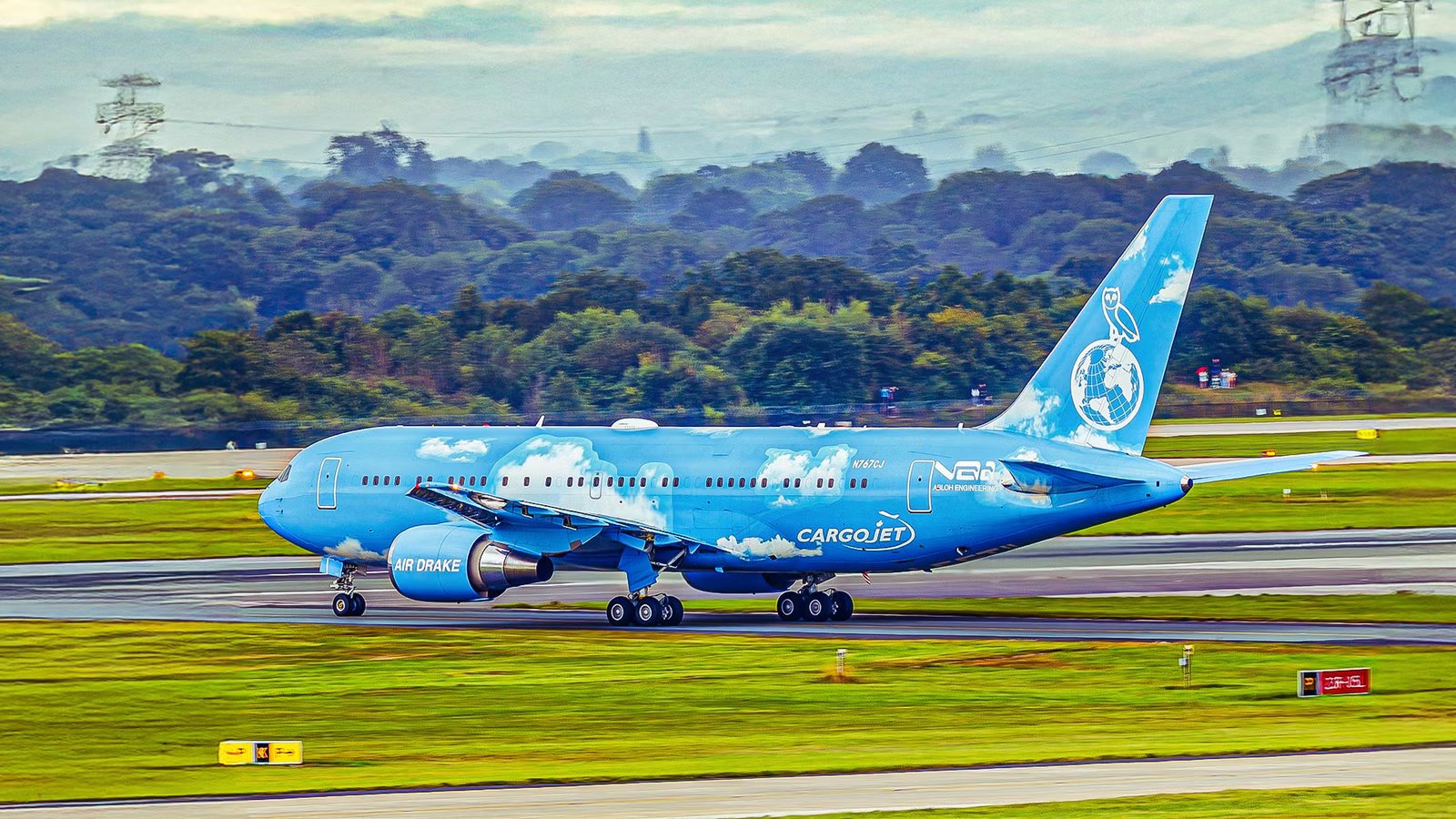
Working down from the five biggest US-based airlines, the giant cargo airline FedEx pays its first-year first officers an annual salary of around $82,690 when flying 85 hours a month. The other giant freighter, UPS, pays its first officers $65,275, although that is with paid monthly flight hours reduced to 65. Note that FedEx and UPS generally fly different aircraft types to commercial passenger airlines. The FedEx salary is based on the old A310 widebody, while the UPS type isn’t specified.
After this, there are the low-cost carriers across the United States. First officers flying with Frontier get around $97,000 for 75 monthly flight hours, while those with Spirit Airlines get a higher $110,221, calculated with fewer flight hours (72). Avelo Airlines pays its first officers even better at $117,900 with just 70 monthly flight hours.
In January 2026, Allegiant Travel Company (the parent of Allegiant Air) announced it was buying the low-cost leisure airline Sun Country for around $1.5 billion. Sun Country pays its first-year officers around $105,919 for 72 hours of monthly flying. Breeze Airways is one of the youngest larger airlines in the US and pays $101,500 for 70 hours. Among all these airlines, the only airline with the aircraft type specified was Spirit (A320). All these airlines exclusively operate narrowbody or regional aircraft.
What The First Officer Does

A commercial airline first officer is a licensed pilot who is type-rated for the aircraft being flown. The FO is not a trainee, helper, or student, nor is the position a subordinate role in technical competence. The first officer sits in the aircraft’s right seat and operates under the authority of the captain. The FO alternates on every leg between physically flying the aircraft and managing the systems, radios, checklists, and cross-checks.
In pre-flight duties, the FO is responsible for, or assists with, weather analysis, NOTAM review, flight planning review, the walk-around inspection of the aircraft, and other roles. Modern airline flying is structured around mutual monitoring to better catch errors, and the FO participates in the decision-making. What is different is that the captain has legal command of the aircraft and is responsible for making the final decisions.
Naturally, if the airline pilot were to become incapacitated, the FO then automatically becomes the acting pilot-in-command and has full pilot legal authority over the aircraft. Both the captain and the first officer are legally required to speak up and intervene if there is an issue that affects the safety of the aircraft. The name “first officer” is a clue that there is also the position of second officer, although this is now rare and only found on occasional long-haul flights.
First Year First Officers Make Around 1/3 Of Experienced Captains

First officers are fully trained pilots, but pay is still graded by rank and seniority. Flying with major airlines, first-year first officers can expect to have annual salaries breaking $100,000 when working 72 or so flight hours a month. Numerous factors can have a significant impact on these numbers.
As first officers gain experience, they can expect their salaries to meaningfully increase. Experienced captains with six or more years of experience are listed by ATP Flight School as earning more than $300,000 (except for those flying for Sun Country and Breeze) based on the same number of hours as the first officers. This is roughly three times the pay of a first-year first officer flying the same aircraft with the same number of monthly hours.
But it is not all about the pay. For first officers early in their careers, maximizing their salaries with major commercial airlines may be a priority, though this often shifts as pilots progress. Many pilots choose to leave the world of flying for major airlines and take a substantial pay cut to enjoy the increased autonomy, better work-life balance, and other lifestyle choices of flying private jets.