dailynewsnblog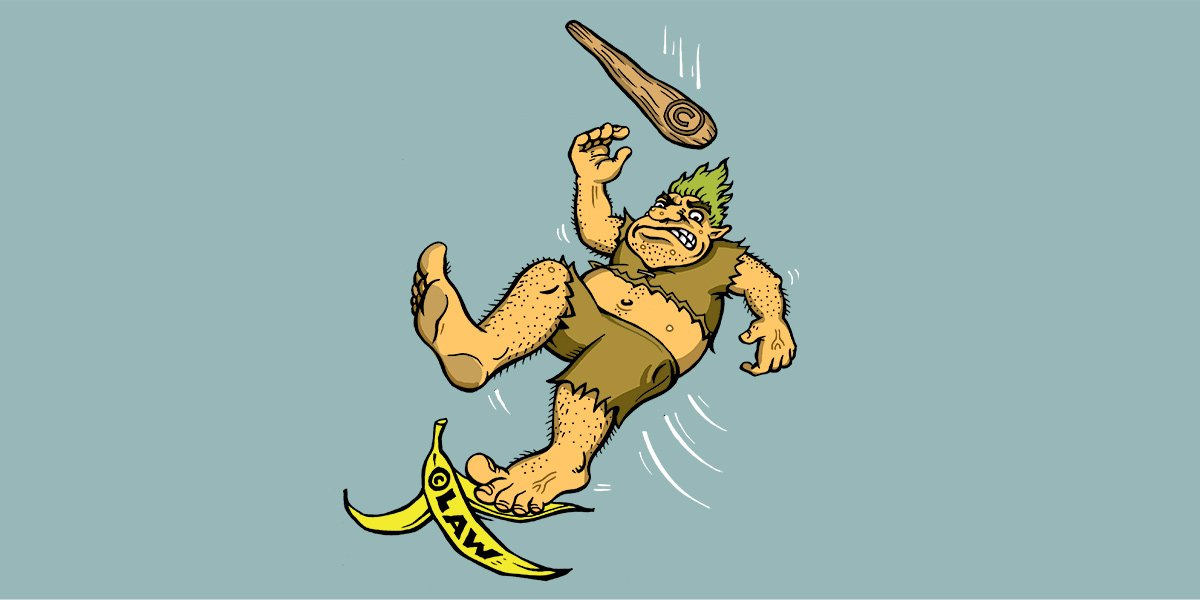
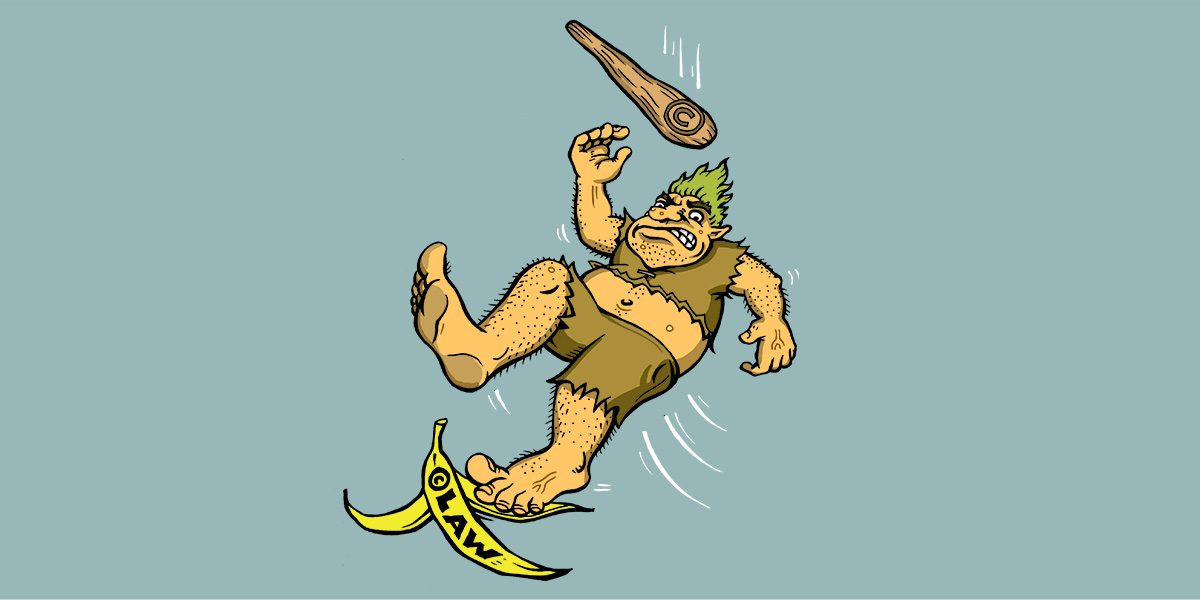
Copyright law is supposed to encourage creativity. Too often, it’s used to extract payouts from others.
Higbee & Associates, a law firm known for sending copyright demand letters to website owners, targeted May First Movement Technology, accusing it of infringing a photograph owned by Agence France-Presse (AFP). The claim was baseless. May First didn’t post the photo. It didn’t even own the website where the photo appeared.
May First is a nonprofit membership organization that provides web hosting and technical infrastructure to social justice groups around the world. The allegedly infringing image was posted years ago by one of May First’s members, a human rights group based in Mexico. When May First learned about the copyright complaint, it ensured that the group removed the image.
That should have been the end of it. Instead, the firm demanded payment.
So EFF stepped in as May First’s counsel and explained why AFP and Higbee had no valid claim. After receiving our response, Higbee backed down.
This outcome is a reminder that targets of copyright demands often have strong defenses—especially when someone else posted the material.
Hosting Content Isn’t the Same as Publishing It
Copyright law treats those who create or control content differently from those who simply provide the tools or infrastructure for others to communicate.
In this case, May First provided hosting services but didn’t post the photo. Courts have long recognized that service providers aren’t direct infringers when they merely store material at the direction of users. In those cases, service providers lack “volitional conduct”—the intentional act of copying or distributing the work.
Copyright law also recognizes that intermediaries can’t realistically police everything users upload. That’s why legal protections like the Digital Millennium Copyright Act safe harbors exist. Even outside those safe harbors, courts still shield service providers from liability when they promptly respond to notices.
May First did exactly what the law expects: it notified its member, and the image came down.
A Claim That Should Have Been Withdrawn Much Sooner
The troubling part of this story isn’t just that a demand was sent. It’s that Higbee and AFP continued to demand money and threaten litigation after May First explained that it was merely a hosting provider and had the image removed.
In other words, the claim was built on shaky legal ground from the start. Once May First explained its role, Higbee should have withdrawn its demand. Individuals and small nonprofits shouldn’t need lawyers just to stop aggressive copyright shakedowns.
Statutory Damages Fuel Copyright Abuse
This isn’t an isolated case—it’s a predictable result of copyright law’s statutory damages regime.
Statutory damages can reach $150,000 per work, regardless of actual harm. That enormous leverage incentivizes firms like Higbee to send mass demand letters seeking quick settlements. Even meritless claims can generate revenue when recipients are too afraid, confused, or resource-constrained to fight back.
This hits community organizations, independent publishers, and small service providers that don’t have in-house legal teams especially hard. Faced with the threat of ruinous statutory damages, many just pay what is demanded.
That’s not how copyright law should work.
Know Your Rights
If you receive a copyright demand based on material someone else posted, don’t assume you’re liable.
You may have defenses based on:
- Your role as a hosting or service provider
- Lack of volitional conduct
- Prompt removal of the material after notice
- The statute of limitations
- The copyright owner’s failure to timely register the work
- The absence of actual damages
Every situation is different, but the key point is this: a demand letter is not the same as a valid legal claim.
Standing Up to Copyright Trolls
May First stood its ground, and Higbee abandoned its demand after we explained the law.
But the bigger problem remains. Copyright’s statutory damages framework enables aggressive enforcement tactics that targets the wrong parties, and chills lawful online activity.
Until lawmakers fix these structural incentives, organizations and individuals will keep facing pressure to pay up—even when they’ve done nothing wrong.
If you get one of these demand letters, remember: you may have more rights than it suggests.