dailynewsnblog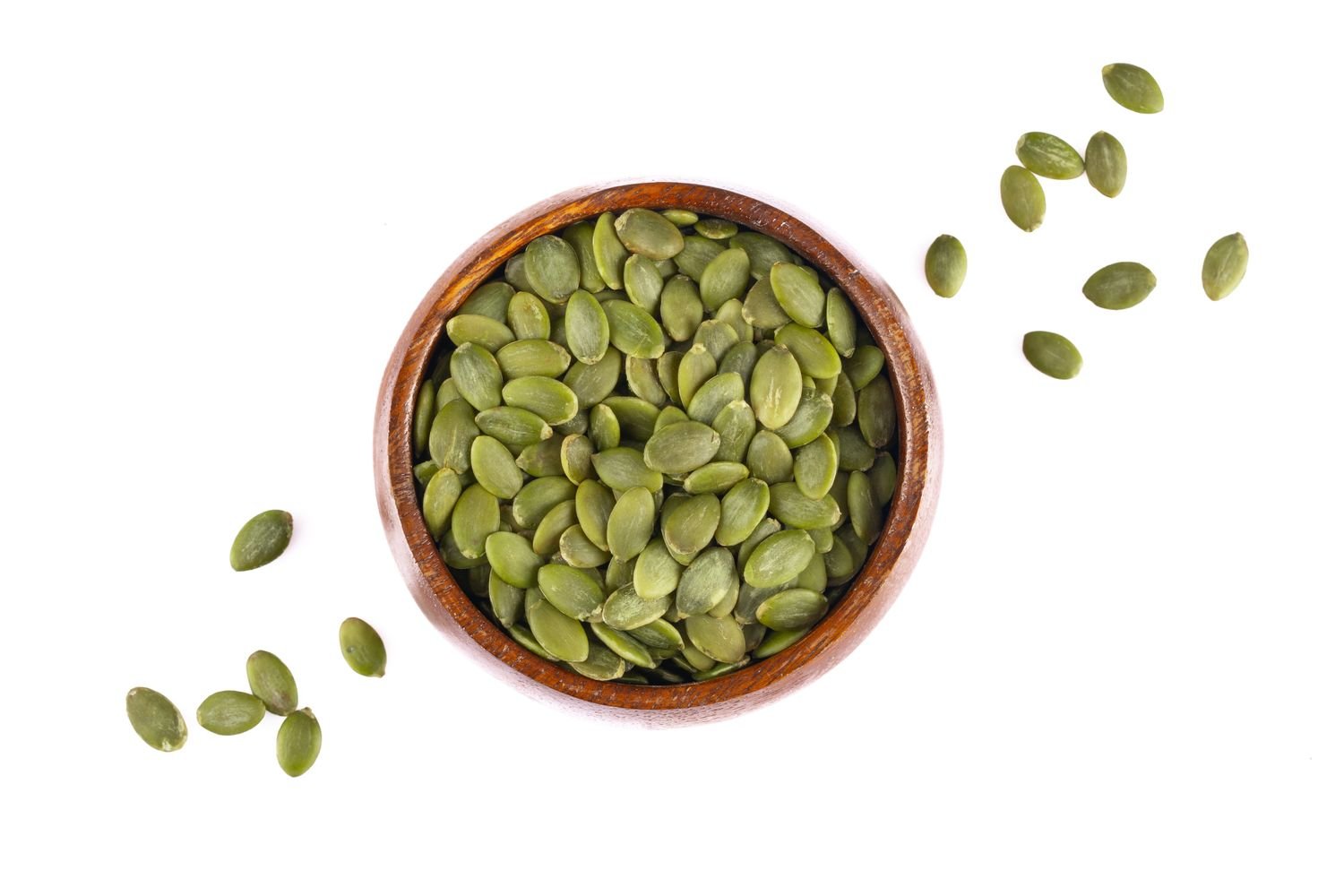
Key Takeaways
- Pumpkin seeds contain healthy fats, phytosterols, and antioxidants that can help lower LDL cholesterol.
- Eating about ¼ cup of pumpkin seeds daily can provide benefits without adding excessive calories.
- While generally safe, overdoing it can lead to digestive discomfort or unwanted calorie intake.
Social media often promotes pumpkin seeds as a “natural statin” or cholesterol-lowering superfood. While that’s an overstatement, science does suggest these small seeds can make a meaningful difference when they’re part of a heart-healthy diet.
1. They Support Lipid Metabolism
Pumpkin seeds are small but mighty—they’re full of nutrients that are good for your heart.
“Eating pumpkin seeds can help reduce LDL cholesterol because they’re composed of linolenic acid and monounsaturated fats, antioxidants, and phytosterols that support lipid metabolism,” said Michelle Routhenstein, MS, RD, CDCES, CDN, a cardiology dietitian at Entirely Nourished.
In simpler terms, these nutrients help your body manage cholesterol more effectively. The healthy fats in pumpkin seeds encourage your liver to clear out extra LDL (or “bad”) cholesterol from your blood, said Routhenstein.
2. They Help Block Some Cholesterol From Being Absorbed
Pumpkin seeds also contain phytosterols, which blocks some cholesterol from being absorbed in your intestines, helping lower total levels over time.
There is research to back that up. People who regularly eat pumpkin seeds tend to have lower LDL cholesterol and higher HDL (“good”) cholesterol levels.
3. They May Help Prevent Plaque Build-Up
Pumpkin seeds also contain antioxidants like carotenoids and vitamin E, according to Trista Best, MPH, RD, LD, registered dietitian at The Candida Diet.
“Antioxidants have widespread health benefits from preventing illness, reducing inflammation, and even potentially preventing cancer,” she said. “Carotenoids, in particular, play an important role in preventing and reversing cellular damage.”
Vitamin E and antioxidants also protect LDL cholesterol from turning into its more harmful form: oxidized LDL. That type can stick to artery walls and lead to plaque build-up.
How Many Pumpkin Seeds Should You Eat?
A small handful of pumpkin seeds a day can go a long way.
“Having ¼ cup of pumpkin seeds daily can help achieve these LDL-reducing and heart health benefits without excess caloric intake,” said Routhenstein.
That’s about two tablespoons of shelled seeds, or roughly 180 calories.
Best added that this serving provides a good mix of healthy fats, protein, fiber, and minerals like magnesium and zinc, all of which are important for heart and metabolic health.
“It’s helpful to remember that no single food can dramatically lower cholesterol on its own,” said Routhenstein. “Focusing on your overall dietary pattern is what truly supports long-term heart health.”
Are There Any Downsides to Eating Pumpkin Seeds?
Pumpkin seeds are generally safe and easy to add to most diets, but they’re still high in calories and fat. Eating too many can lead to unwanted weight gain, and their fiber content may cause bloating or digestive discomfort if you overdo it, said Routhenstein.
If you have a sensitive stomach, start with a tablespoon or two and see how your body reacts. For the most nutritional benefit, choose unsalted, raw, or dry-roasted pumpkin seeds, and store them in a cool, dry place to keep their healthy fats from going rancid.
:max_bytes(150000):strip_icc():format(webp)/KFheadshot-9fe00fcb29c24a589a05cb7dea9ca150.jpeg)