dailynewsnblog
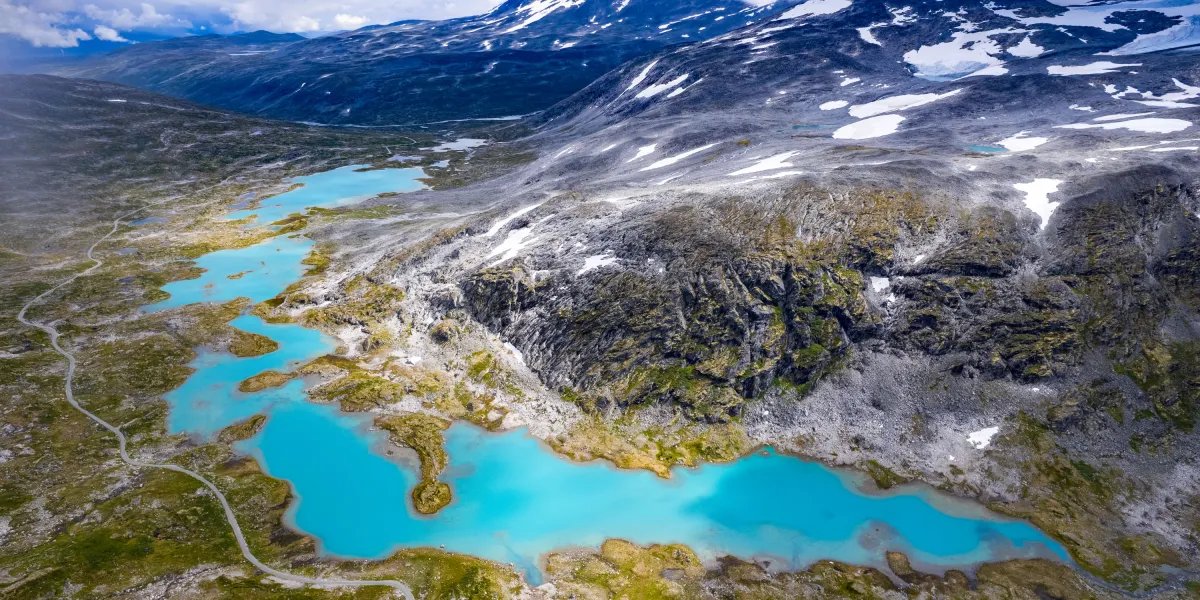
The great news for both of us is that my colleague James Temple just published two in-depth stories about permafrost. His reporting took him to the boreal forests of Alaska, where he helicoptered into the wilderness to learn more about how this material could affect our climate both now and in the future.
I’d recommend you give both of James’s stories a read. There’s this feature about efforts to tackle the intensifying fires that are threatening permafrost, as well as this look at how researchers are trying to understand the complicated tangle of potential climate effects. Here are three things I took away.
Permafrost is a massive blind spot for climate change
Permafrost is the frozen layer of soil that’s under about 15% of land around the Northern Hemisphere. While technically material needs to be frozen for only two consecutive years to count as permafrost, most of our current permafrost formed during the last ice age.
That means there’s organic material that’s been frozen, and essentially locked away, for thousands of years. But as global temperatures tick up and this layer thaws, microbes are able to break down that organic matter, releasing carbon dioxide and methane—powerful greenhouse gases that drive climate change. Those emissions form a feedback loop, accelerating warming further.
The steady rise in global temperatures has already shrunk the footprint of the Arctic permafrost by about 12% since 1850, and the pace has been picking up in the last 50 years.
The wild thing is, only a minority of the models that have been used in UN climate reports actually take into account the gradual loss of permafrost. And none of them include the abrupt thaw and collapse that can happen after events like heat waves and fires (more on those fires in a moment). There are efforts to make sure future UN reports reflect the growing science, but for now, all this means that we’re probably underestimating how much and how fast the planet is going to warm.
Wildfires can speed up permafrost loss
Fire is a natural part of boreal forests’ life cycle, but they’re getting more intense because of climate change. And crucially, fires can accelerate the thawing of permafrost. By the end of the century, this effect could release the equivalent of 80 billion metric tons of carbon dioxide.