dailynewsnblog
I have now helped build two of this country’s LNG projects, and I have seen what is possible when every order of government works together. If we truly want to build Canada, that stability has to reach all the way to the town hall, and the province is the government that can carry it there.
On Sept. 29, the partners in LNG Canada committed $33 billion to double the size of their terminal in Kitimat. I read that news with more than professional interest. Before I joined Woodfibre LNG, I was LNG Canada’s vice-president, asset, and helped take the Kitimat plant through construction and into start-up. It was great news for the people who built that plant, and for the country.
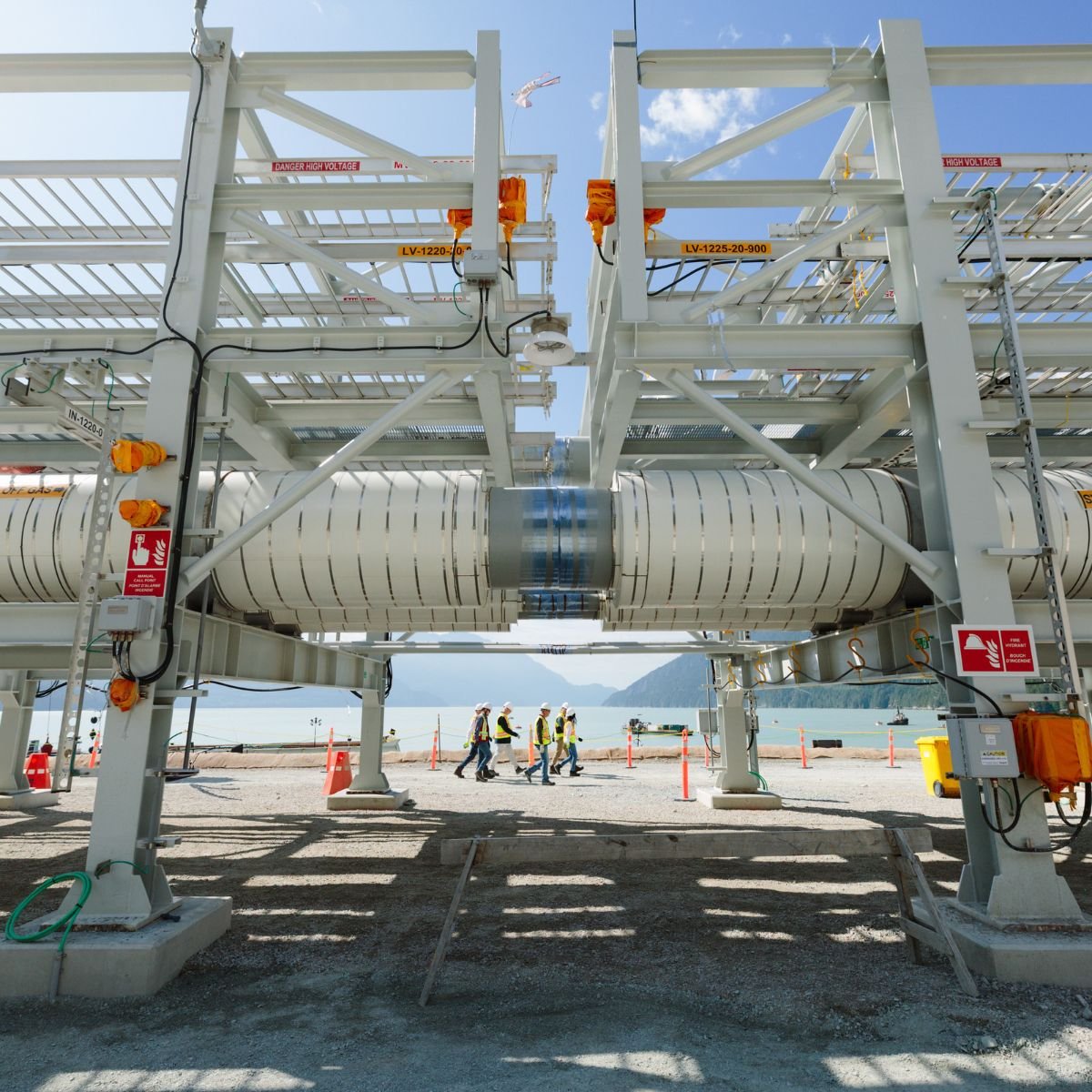
Today we are building Canada’s next LNG export facility near Squamish, and I see many of the same hallmarks. Both projects were built with First Nations as partners. Woodfibre LNG is the first industrial project in Canada to recognize a non-treaty Indigenous government, the Sḵwx̱wú7mesh Úxwumixw (Squamish Nation), as a regulator. Both have had federal and provincial governments that want Canadian LNG built and say so. Our plant will produce 2.1 million tonnes a year, it is more than 72 per cent complete, and we are building what we expect to be the world’s first net-zero LNG export facility.
One important difference is stability at the municipal level. In Kitimat, the District recognized the value of long-term certainty and reached an agreement that allowed both the community and the project to plan for the future. Similar arrangements elsewhere in British Columbia have provided predictable revenue for communities hosting major industry. At Woodfibre LNG, we spent three years negotiating a ten-year agreement with the District of Squamish, worth at least $142 million. On Sept. 22, council decided not to approve it, leaving our municipal taxes to be determined one year at a time.
Over the past year and a half, Canada has made real progress toward becoming a major supplier of LNG to the world. Ottawa created the Major Projects Office and, as an example of its commitment to the sector, referred LNG Canada’s phase 2 expansion to it. On Oct. 1, it named its first project of national interest. British Columbia’s support for LNG has carried across governments of different parties. Buyers in Asia and Europe want suppliers they can count on, and Canada has spent this time telling them it is one.
Decisions of this magnitude require stability at every order of government. Yet at the municipal level, that certainty remains inconsistent across British Columbia. Municipal councils set property tax rates on major industry every year, and once a facility is built, it cannot move. Investors know that, and the stability Ottawa and Victoria have worked to build is worth less to them if it stops at the municipal boundary.
We expect to pay our share. We are already the largest taxpayer in the District, our site uses very few District services and is not hooked up to water, sewer or waste services. We have also agreed to capacity funding to cover the District’s added staff costs, including for the municipal permitting required during our construction. We have also spent more than $50 million cleaning up the former pulp mill on our site, a burden that could have fallen elsewhere, but for our decision to develop the brownfield site.
Municipalities should and do have a say in how the projects they host are taxed. However, the uncertainty created by a system that resets the property tax terms every year deflates the certainty required for major investments and serves to undermine Canada’s current development imperative.
This issue transcends a single project or municipality and may require a more systematic solution.
In 2004, when rising and uncertain municipal taxes were holding back investment in British Columbia’s port terminals, the province capped the rates municipalities could set and compensated the communities affected. A consistent provincial approach to taxing major projects, built with local governments and First Nations, would give host communities stable, predictable revenue and give investors the certainty that Kitimat and LNG Canada found through their agreement.
I have now helped build two of this country’s LNG projects, and I have seen what is possible when every order of government works together. If we truly want to build Canada, that stability has to reach all the way to the town hall, and the province is the government that can carry it there.
Luke Schauerte is chief executive officer of Woodfibre LNG and a former vice-president of LNG Canada.
The views, opinions and positions expressed by all iPolitics columnists and contributors are the author’s alone. They do not inherently or expressly reflect the views, opinions and/or positions of iPolitics.