dailynewsnblog

AerCap took a major step in its cargo fleet recapitalization strategy by divesting nine Boeing 767 widebody freighter jets from its portfolio during the third quarter. The sell-off wave follows a single Boeing 767-300ERF sold in Q2. The decision has raised eyebrows with industry observers given the declining trend in demand for air cargo compared to previous years. Despite that cooling market, AerCap appears to be going all in on modern freighters, investing in future forecasts.
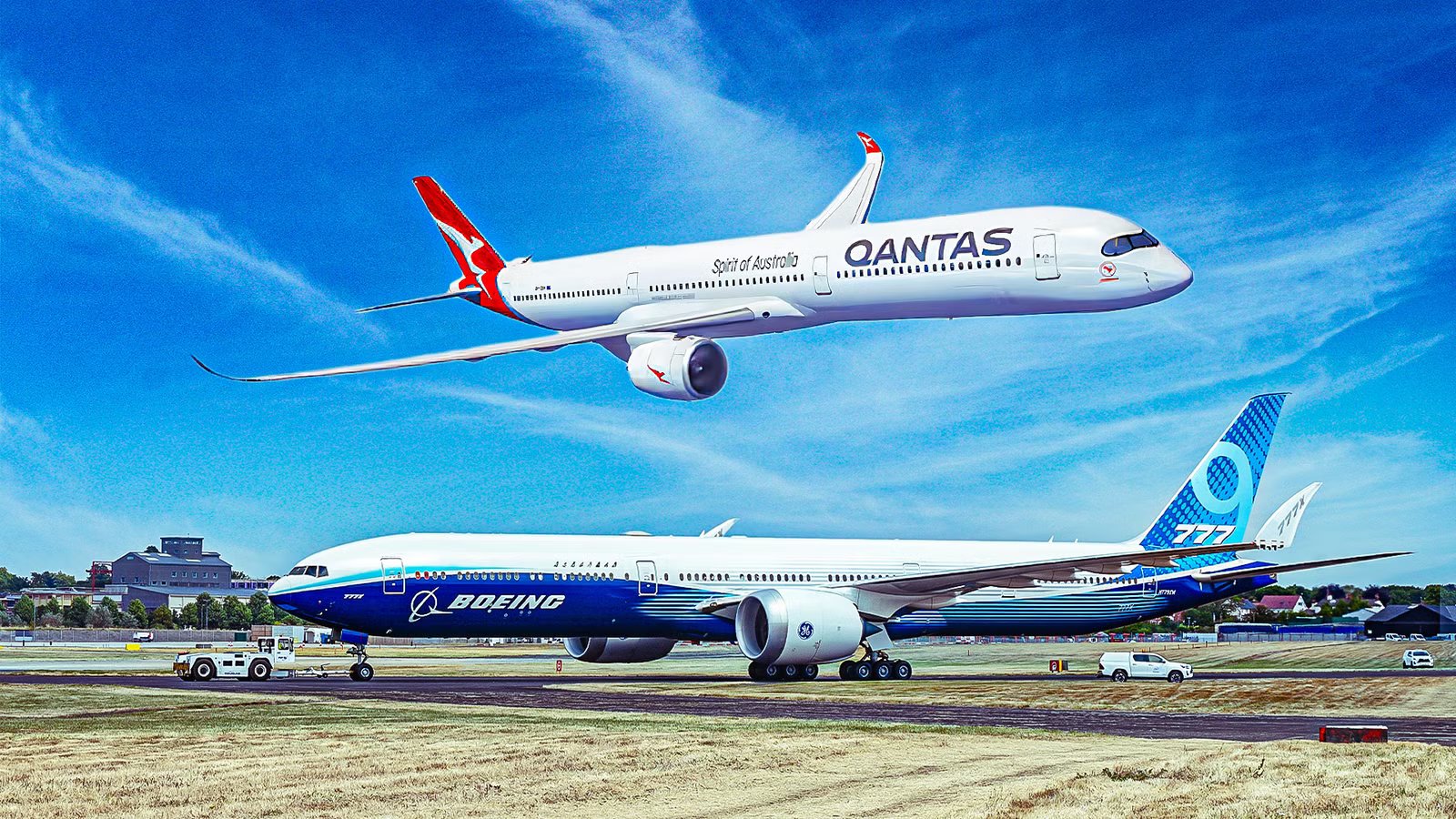
AerCap has been shifting its long-term cargo focus toward newer, more efficient platforms. This includes narrowbody programs like the Airbus A321P2F and next-generation large widebodies like the Boeing 777-300ERSF Big Twin conversion program in partnership with Israel Aerospace Industries. Yet, many cargo haulers still highly value the Boeing 767-300 platform for its versatile widebody airframe and 40-ton capacity.
As the world’s largest aircraft lessor, AerCap is making a strategic transition toward modern, volume-optimized, fuel-efficient aircraft. The explosion of global e-commerce has fundamentally changed what cargo airlines need. Modern air freight now focuses on hauling lighter, bulky packages rather than dense, heavy industrial cargo. Because e-commerce is the most frequent payload today, freighters run out of space long before they reach the maximum weight limit.
What AerCap’s Ledger Shows

AerCap is capitalizing on a specific mismatch between current global manufacturing constraints and short-term shifts in cargo demand. The commercial aviation industry is experiencing severe, ongoing manufacturing constraints. Delays at major manufacturers like Boeing have significantly extended the time it takes to get an aircraft from order to actual delivery.
At the same time, global air cargo demand is cooling. As macro volumes soften, major express freight operators are pulling back on signing new long-term leases for mid-tier platforms like the 767. This combination of factors makes it the ideal time for such a major lessor to divest.
In the third quarter, AerCap primarily purchased new-generation narrowbody jetliners from both Boeing and Airbus. The widebody procurement wasn’t much more modest, with the 767 sales far overshadowing incoming airframe volume. AerCap is integrating platforms like the Airbus A321P2F and A330 into its portfolio to retain its share of the mid-tier cargo market as it phases out the 767.
Airframe | Sold In Third Quarter 2026 | Bought In Third Quarter 2026 |
|---|---|---|
Total Aircraft (Includes Managed) | 65 | 32 |
Boeing 737 MAX | 2 | 20 |
Airbus A320neo | 4 | 8 |
Boeing 737NG | 7 | |
Airbus A350 | 3 | |
Airbus A330 | 3 | |
Boeing 787-9 | 2 | |
Embraer E195-E2 | 2 | 2 |
The Boeing 767 freighter has been a reliable workhorse, but it faces major headwinds that limit its future profitability for a major lessor. In the medium widebody class where the 767 used to rule, the Airbus A330-300P2F has emerged as the new market segment leader. Meanwhile, the A330 also offers better fuel burn, modern avionics, and a virtually limitless supply of retired passenger aircraft ready to be converted into freighters.
Has Air Cargo Demand Softened Or Evolved?

Global air cargo volume is not on the decline. The International Air Transport Association reports that international cargo demand rose 4.4% year-over-year in August, even as total cargo capacity shrank by 0.1%. Airlines are filling a flat supply of cargo space more fully. This strong utilization pattern contradicts the typical industry dynamics that normally push aircraft lessors to liquidate their fleets.
While the Europe-to-Middle East cargo corridor fell 12.1% due to ongoing conflicts, North American carriers surged by 6.6% to lead global growth. Meanwhile, international airfreight pricing is merely cooling from historical peaks. Shippers are shifting toward short-term spot capacity to test the market, but overall full-year growth projections still beat early expectations.
Two primary risks threaten the midsize freighter market: e-commerce shifts and fuel spikes. The end of the European Union’s tax exemptions slowed low-value parcel volumes, directly impacting the Boeing 767 freighters that dominate express shipping routes. Compounding this, jet fuel prices have jumped significantly. Selling these older, less-efficient widebodies now allows lessors to protect their capital before rising operating costs degrade lease rates.
Why Midsize Widebody Freighters Are Not The Weak Spot

The Boeing 767-300BCF sits at the absolute center of the midsize freighter manufacturing crunch. These aircraft provide an essential capacity buffer, even as air freight demand has generally declined. This is because the time it takes to supply brand-new replacement aircraft is increasing. To avoid being grounded by production shortages, regional and international carriers are actively holding onto their current midsize aircraft.
Although the passenger 767-300ER remains their most popular cargo product, Boeing has cautioned purchasers that no passenger 767-300ER feedstocks are currently available for conversion. The American aerospace company said it will permanently shut down the new-production 767 freighter manufacturing line by next year, further exacerbating the shortage. This effectively creates a moratorium on future aircraft supply.
Airbus A330 conversions, the 767’s main midsize rivals, are equally scarce. That leaves lessors like AerCap facing more demand than available airframes. AerCap used the cash from selling its aging 767 freighters to buy back its own stock. They essentially decided that buying their own shares was a better use of money right now than letting cash sit idle waiting for slow-arriving jet orders. This high value keeps their lenders happy.
What AerCap Says About Its Own Selling

Today, airlines that urgently need capacity cannot wait years for a new plane to roll off the production line. This bottleneck has artificially inflated the value of older, existing mid-generation planes on the secondary market. By selling nine of its 767 Freighters in a single quarter, AerCap is exploiting this dynamic. AerCap is cleaning house and saving up for when Airbus and Boeing can deliver cargo jets faster again.
This divestment lets AerCap generate immediate cash while the broader industry sorts out its production backlogs. Instead of rushing to replace these assets with high-priced, delayed new builds, they can afford to wait. They are offloading aging assets at premium prices to regional buyers who need immediate lift capacity, maximizing their capital gains while the supply crunch is severe.
AerCap completed $1.4 billion in asset sales in the second quarter at a 20% margin, which its chief financial officer, Peter Juhas, equated to 1.7 times book value on an equity basis. First half sales reached $2.8 billion, with $4 billion to $5 billion expected for the full year, a record for the company. Demand from buyers is holding up across the board, according to Peter Juhas, Chief Financial Officer.
The buyback arithmetic points the same way. AerCap repurchased 5.3 million shares in the third quarter at an average of $147.12, spending about $783 million. Kelly argued in July that the $1.4 billion returned to shareholders matched buying about $5.5 billion of aircraft in a sale and leaseback, at economics AerCap could not otherwise get. Sales fund that preference, so selling aircraft that command strong prices, including scarce freighters, is the obvious choice.
Where The Narrowbody Liquidity Really Comes From

There is currently a contradiction in the used jet market because the supply of new airframes has been limited recently and is anticipated to be bottlenecked for years to come. Some of the older narrow-body commercial aircraft are extremely valuable commodities, even though their usefulness isn’t the main reason. Instead, the real driver of this industry is the severe, pervasive shortage of jet engines and expensive parts.
There has been a noticeable slowdown in the leasing market for midsize widebody cargo aircraft like the 767. Despite the drop in rental demand, 767s remain incredibly valuable because of the global supply crunch. The Boeing 767-300 operates on massive, highly reliable powerplants like General Electric CF6 or Pratt & Whitney PW4000 engines. Right now, carriers around the world are desperate for working CF6/PW4000 engines to replace their own units stuck in years-long maintenance backlogs.
Rotation Rather Than Retreat

Instead of leaving the air freight industry, AerCap’s financial statements suggest a deliberate fleet rotation. Boeing 777-300ERSF, 737-800, and Airbus A321 freighter conversions are still shown as actively owned or on order in the lessor’s inventory ledger. Aircraft coming back from conversion lines will increase future lease yields, according to company executives. Selling nine older 767s is a small adjustment given the company’s entire book of about 120 freighters.
The pattern of transactions serves as a tactical asset exchange. AerCap is keeping its 777 conversions and narrowbody cargo platforms while methodically selling off its aging midsize freighters. This movement aligns with market reports highlighting severe widebody capacity shortages. It also reflects a lessor’s strategy of capitalizing on closing factory production lines while using a robust conversion pipeline to maximize returns before market prices cap.
The definitive data points will emerge when AerCap reports its third-quarter financial results on October 28. Upcoming gain-on-sale margins will provide clear indications of realized aircraft pricing across the fleet. Furthermore, executive commentary identifying the buyers will clarify whether the offloaded 767s will remain in active cargo service or go straight to parts dealers for teardown, settling the debate over global cargo demand.