dailynewsnblog
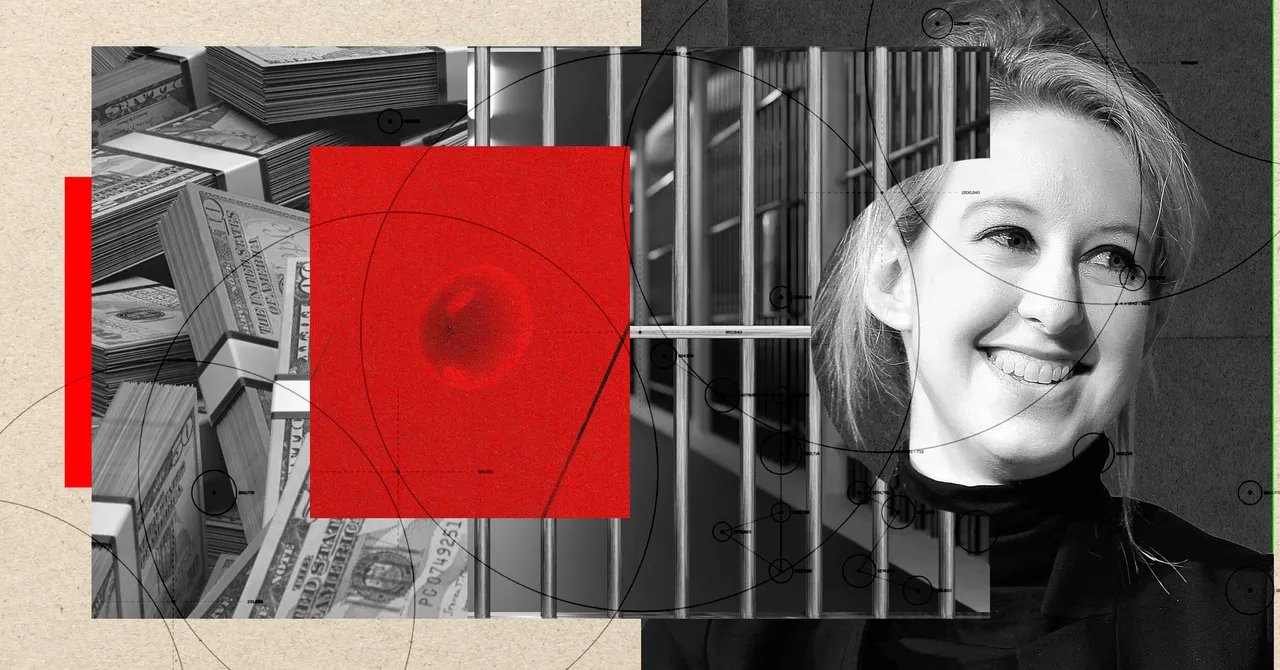
Elizabeth Holmes, the disgraced founder of the fraud-ridden blood-test company Theranos, made her national press debut in The Wall Street Journal in 2013. The article—“A Drop of Blood, an Instant Diagnosis”—wasn’t a science story, or even a business story. It ran in the Opinion section, by a writer on the Journal’s editorial board named Joseph Rago, winner of a Pulitzer Prize for critiques of the Affordable Care Act.
He wrote that he was impressed by the prospect of individuals having more direct control of their health care; no less an eminence than former secretary of state George Shultz, a Theranos board member, had told Rago that Holmes was the next Steve Jobs or Bill Gates.
By 2014, Holmes was the youngest woman billionaire ever, and the mid-2010s were electric with tech-industry success stories—the iPhone, Tesla, Airbnb, Twitter. I was an editor at WIRED back then, and Theranos-as-presented felt very WIRED. It looked like evidence that a Silicon Valley approach to innovation would work in every industry, including medicine. And at the magazine that first published the idea of the “quantified self,” Theranos’ pitch validated the notion that individuals could take charge of their own health with innovative tech and access to data.
One of my colleagues, an editor named Caitlin Roper, saw a story in Theranos and in Holmes, but no one was sure what shape it should take. The executive editor suggested Roper just go talk to Holmes and see what was what. The result was an influential long-form Q&A headlined “One Drop, Infinite Data: How Elizabeth Holmes Built a Better Blood Test.” Because print magazines move with the agility and speed of a post-Panamax cargo ship, the story didn’t run until the March 2014 issue.
Over the next few months, other publications followed. Fortune put Holmes on the cover. The New Yorker did a profile. In October 2015, Inc. put her on the cover, calling her “the next Steve Jobs”—and a couple of weeks later, The Wall Street Journal did another article on Theranos, by the reporter John Carreyrou. The headline was deceptively humble: “Theranos Has Struggled with Blood Tests.”
Uh-oh.
The speedy and accurate blood tests were fake, the innovative tech didn’t exist, and Walgreens, a major partner, terminated its deal with Theranos. It was a grift. A new documentary film, out this week, follows Holmes in the weeks leading up to her incarceration.