dailynewsnblog
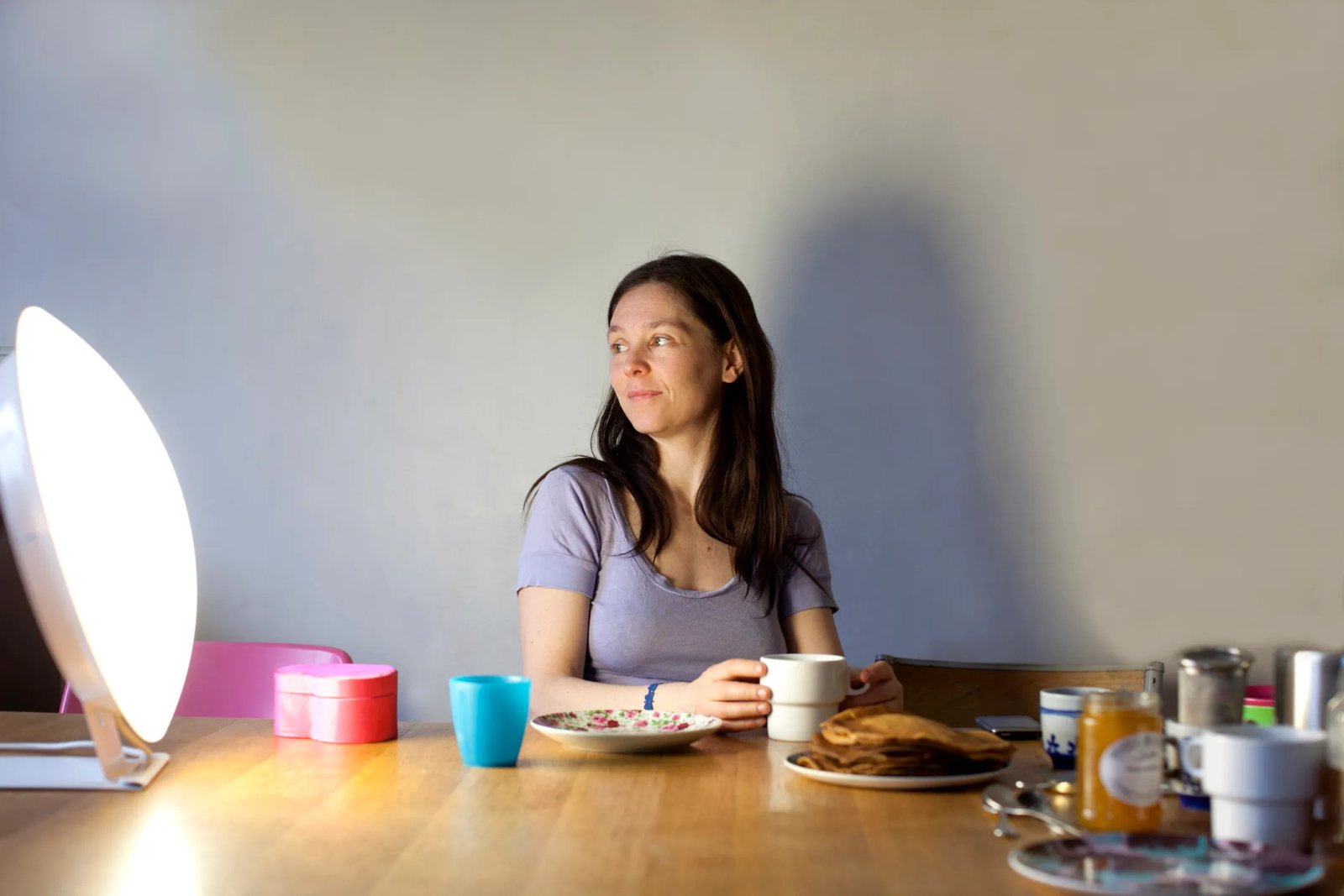
Shorter, darker days and colder weather that sends you indoors can leave you feeling anxious, sad, irritable or even hopeless. There is a name for this: seasonal affective disorder, or SAD. Luckily, a light therapy lamp or SAD lamp could help counter this condition, and they may even help with nonseasonal depression, dementia, bipolar disorder and sleep disorders. To find the best light therapy lamps, we evaluated price, brightness, features, and design across several models.
Our Picks

Bottom Line
Verilux is one of the biggest names in light therapy lamps. You’ll find them all over Amazon, and the company has a large catalog of models. T…
Pros & Cons
-
Simple design -
Relatively large at 6-by-9 inches
-
May not be large enough for some tastes

Bottom Line
If you’re not sure if light therapy is right for you, start with a smaller and less expensive lamp. This model is just like the Luxe light the…
Pros & Cons
-
Less expensive than other models at $40 -
Three brightness settings -
Good for beginners
-
Smaller at 4.5-by-7 inches, so you may need to use it for longer

Bottom Line
We liked this lamp out of the box. It’s slim enough to fit in any tight space or crowded desk, and it feels solid. It has a modern look to it …
Pros & Cons
-
Looks modern -
Very slim and foldable
-
Small light panel compared to other models

Bottom Line
The Verilux HappyLight Mini is one of the most compact and affordable light therapy lamps on the market. It delivers 10,000 lux of full-spectr…
Pros & Cons
-
Adjustable stand -
Automatic timers -
Three brightness options

Bottom Line
Depending on where you live, how many hours of sunlight you get each day and your individual mental health needs, your doctor might recommend …
Pros & Cons
-
Large light panel at 12.25-by-15.25 inches; good for people with little access to sunlight -
Bulbs are changeable
What is the best light therapy lamp overall?
During testing, we found the Verilux HappyLight Luxe to be the best light therapy lamp overall. It has a simple design, four brightness settings, three color temperature settings and, importantly, comes at a fair price of $70.
The best light therapy lamps of 2026
Best light therapy lamp overall
Verilux HappyLight Luxe
-
Simple design -
Relatively large at 6-by-9 inches
-
May not be large enough for some tastes
Verilux is one of the biggest names in light therapy lamps. You’ll find them all over Amazon, and the company has a large catalog of models. The HappyLight Luxe has a simple design with a large light panel that takes up nearly the entire lamp. Simple is not meant as an insult here — the Luxe light therapy lamp has everything you need at a fair price.
Most experts recommend using a lamp with a large light panel — ideally 12 by 15 inches or 12 by 18 inches — to get the full benefits of light therapy. A smaller light therapy lamp can provide the same benefits, but you might need to move it closer to your eyes and leave it on for longer than you would with a large panel. At 6 by 9 inches, the Luxe’s light panel comes close to the recommended size without taking up too much space.
It offers four brightness settings and three color temperature settings, which allow you to make the light warm, neutral or mimic daylight. There’s also a built-in timer you can set at 5-minute intervals, for up to 1 hour. You can mount the light panel on the wall or use the included stand, which tilts the lamp at an angle. You can also remove the stand and conveniently hook it to the back of the light panel for travel.
- Price
- $70
- Features
- Four brightness and three color temperature options, 1-hour timer with 5-minute intervals
- Size of light panel
- 6-by-9 inches
Best budget light therapy lamp
Verilux HappyLight Lumi
-
Less expensive than other models at $40 -
Three brightness settings -
Good for beginners
-
Smaller at 4.5-by-7 inches, so you may need to use it for longer
If you’re not sure if light therapy is right for you, start with a smaller and less expensive lamp. This model is just like the Luxe light therapy lamp, but it is more compact and has fewer features. This LED bright white light therapy lamp comes with three brightness levels. Bright light therapy can improve sleep, boost mood and increase energy.
The three brightness settings, each delivering slightly different amounts of lux: 5,000, 7,000 and 10,000. Like the Lux, it comes with a stand that sets the light panel at an angle. The simple design takes the guesswork out of using a therapy lamp. Just set it on a surface close to your face and turn it on. The VT31’s light panel is around 4.5-by-7 inches, so you may need to use it longer than the Luxe to get the same effects. At around $40, it’s a good introduction to light therapy.
- Price
- $40
- Features
- Three brightness options
- Size of light panel
- 4.5-by-7 inches
Best light therapy lamp for small spaces
Circadian Optics Lumos Therapy Lamp
-
Looks modern -
Very slim and foldable
-
Small light panel compared to other models
We liked this lamp out of the box. It’s slim enough to fit in any tight space or crowded desk, and it feels solid. It has a modern look to it that doesn’t scream “I am a therapy light,” and it folds down when you’re not using it. It has a simple power button that cycles through three light levels: low, medium and high. What makes the Lumos different from the rest is that you can fold and rotate the light in many different ways to get the perfect angle. You want the light to be at eye level and this lamp makes that easy to accomplish.
The only knock we have against this light is that it has the smallest light panel out of all the lamps we tested, at just 1.37-by-6.25 inches. Again, consult with your doctor on how long you should use a therapy lamp each day. With the smaller panel on this light, you might need to use it longer. Can’t decide between the Lumos and the HappyLight? If you want a therapy lamp that you can keep out all the time that you can position perfectly, get the Lumos. If you want a lamp that you don’t have to fuss with, get the VT31.
- Price
- $70
- Features
- Three brightness options, adjustable stand
- Size of light panel
- 1.37-by-6.25 inches
Best light therapy lamp for travel
Verilux HappyLight Mini
-
Adjustable stand -
Automatic timers -
Three brightness options
The Verilux HappyLight Mini is one of the most compact and affordable light therapy lamps on the market. It delivers 10,000 lux of full-spectrum light. Its small, lightweight design makes it easy to place on your desk, nightstand or even pack for when you’re on the go.
What I like about this model is its ease of use — the settings are simple and no-frills. It’s also flicker-free and UV-free, so you don’t have to worry about eye strain or blue light exposure while using it.
Unlike high-end models, it lacks adjustable color temperatures, and its smaller size requires you to sit fairly close to it. Some may find this limiting, especially if you’re looking for a more immersive light therapy experience.
- Price
- $40
- Extra features
- Adjustable stand for preferred angle
- Size of light panel
- 5.1-by-0.4 inches
Best large therapy lamp
Northern Light Technologies Boxelite
-
Large light panel at 12.25-by-15.25 inches; good for people with little access to sunlight -
Bulbs are changeable
Depending on where you live, how many hours of sunlight you get each day and your individual mental health needs, your doctor might recommend you get a large light panel. In that case, get the Boxelite.
It’s a 12.25-by-15.25-inch light therapy box that’s one giant light panel. Despite its size, it manages to be sleek with a design that doesn’t demand you hide in a closet when it’s not in use. The Boxelite lightbox doesn’t have any frills — there’s just an on-off switch — and we don’t mind that at all. What’s unique about this light therapy box is that you can change the bulbs when they burn out. We see this as a good buy for someone who lives so far North (or South) of the equator that you get 8 hours of daylight or less during the winter.
- Price
- $175
- Extra features
- Lightbulbs you can change
- Size of light panel
- 12.25 x 15.25 inches
Best light therapy lamps compared
| Model | Price | Extra features | Size |
| Verilux HappyLight Luxe VT43 | $$ | 4 brightness and 3 color temperature options, 1-hour timer with 5-minute intervals | 6 x 9 inches |
| Verilux HappyLight Lumi VT31 | $ | 3 brightness options | 4.5 x 7 inches |
| Circadian Optics Lumos | $$ | 3 brightness options, adjustable stand | 1.37 x 6.25 inches |
| Verilux HappyLight Mini | $ | 3 brightness options, adjustable stand | 5.10 x 5.10 inches |
| Northern Light Technologies Boxelite | $$$$ | Lightbulbs you can change | 12.25 x 15.25 inches |
How we test light therapy lamps
CNET editors tested these light therapy lamps and considered price, size, light intensity, light type, extra features and ease of use to make our recommendations. We also compared these lamps to narrow down our picks.
Other SAD lamps we tested
Verilux HappyLight Alba: A therapy lamp from Verilux, it offers the same features as the HappyLight Luxe in a smaller size and at a lower price. It has four brightness settings, three color temperature settings and a timer that you can set in 10-minute intervals up to an hour.
The round shape is a departure for Verilux, which traditionally makes rectangular panels. At just 5.5 by 6.5 inches, Alba has a smaller light panel than the VT31. Given that larger light panels are considered better at delivering as much light as possible in the least amount of time, we’re inclined to choose a larger lamp, such as the HappyLight Luxe or VT31, over this.
You can’t beat this lamp for features and price. You get the color temperature settings and a timer that neither of those lamps has. Plus, you get a larger light panel than the Lumos. If those settings really call to you, then this lamp is a good buy. Right now, you can save $5 on the Verilux light using an on-page coupon.
Theralite : Currently unavailable, the Theralite has a clever design, but not enough features to blow us away. This lightweight and compact light box has a 5-by-8 inch light panel, plus a built-in cover and stand, which makes it good for traveling. That being said, it is considerably thicker than the other lamps on this list. It has one brightness setting — 10,000 lux — and a simple on-off switch. We like that you can adjust the stand’s angle, change the light’s height and rotate the light between portrait and landscape orientations.
It’s not the best compact therapy light in our book, and we’re not convinced that this is the best travel light either. We’d rather make room in our bags for the Verilux HappyLight or the Lumos, since they can be folded and rotated to make them thin and compact.
Carex Day-Light Classic Plus Light Therapy Lamp: The Carex Day-Light Classic Plus lamp is by far the largest on this list, with a light panel measuring 13.5 by 15.5 inches. While that’s just barely bigger than the Boxelite, the lamp’s larger stand makes it take up far more space, measuring 31.1 inches tall, 15.75 inches wide and a full foot deep.
There’s an adjustable stand that positions the light panel at eye level or above with the light shining down, which, according to some sources, is important. Still, this lamp is a behemoth and something you’ll likely need to make room for in your home. Because it’s big and heavy, stashing it away when you’re done using it each day isn’t practical. This bright light therapy lamp doesn’t get any accolades for style since it looks like a 2001 flat-screen TV. We could get past the dated design if the lamp felt sturdy, but the fit and finish are sloppy, with gaps between the plastic pieces and buttons to adjust the stand that are hard to press.
It comes with two light modes: Task (5,000 lux) and Therapy (10,000 lux). Like the Northern Light Boxelite, the Carex Day-Light Classic Plus is better suited for someone who gets very little natural daylight, such as someone who works in a windowless office or lives in areas that get limited natural light in the winter. If you don’t mind the unwieldy size and dated design, and want to save a few dollars compared to the Boxelite, this will serve you well.
Factors to consider when buying a light therapy lamp
The most important features to look for when buying a light therapy lamp are the light intensity and the type of light it emits. Research supports using a SAD lamp with up to 10,000 lux as a therapy for depression.
Another key is that you don’t want a SAD lamp that emits UV rays, as they can cause damage to your eyes and skin. While you’re not supposed to stare directly into a light therapy lamp, you still don’t want to expose yourself to daily UV radiation while trying to treat your seasonal depression.
Size is important, to a point. A bigger light panel allows you to position the light farther away while you’re using it, so keep that in mind when shopping. A smaller lamp needs to be closer to your face and set at your eye level. You might need to spend up to an hour each day using a small SAD light, but just half that with a larger lamp.
As the Mayo Clinic notes, “The effectiveness of a light box depends on daily use, so buy one that’s convenient for you.”
Light therapy lamp FAQs
Who needs a light therapy lamp?
People with seasonal affective disorder may opt for a light therapy lamp, as well as anyone else who notices shifts in their mood along with shorter days or less sunlight. But it’s best to consult with your doctor or psychiatrist for guidance on light treatment. Light therapy isn’t suited for all kinds of mental health issues, and many doctors recommend that people with bipolar disorder avoid it, for instance. Light therapy can also irritate your eyes or skin if you have certain medical conditions or are taking some prescription medications.
How do I use a light therapy lamp?
There are some general guidelines you can follow:
- Position the light therapy lamp about 12 to 18 inches from your face.
- Use the lamp for 30 minutes in the early morning, ideally shortly after you wake up.
- Don’t stare directly at the light.
- Go about other activities while using it, as long as your eyes stay within 12 to 18 inches of the lamp.
Some people experience headaches, jitters or insomnia with light therapy, so be aware of those symptoms.
Do light therapy lamps give you vitamin D?
No, light therapy lamps do not create vitamin D. SAD lamps are all about regulating serotonin production. The relevant pathways for serotonin pathways are in your retinas, and light therapy lamps help with that.
Who should avoid light therapy lamps?
If you’re sensitive to sunlight because of medications or have a history of conditions like skin cancer, it might be a good idea to avoid SAD lamps.

See full bio