dailynewsnblog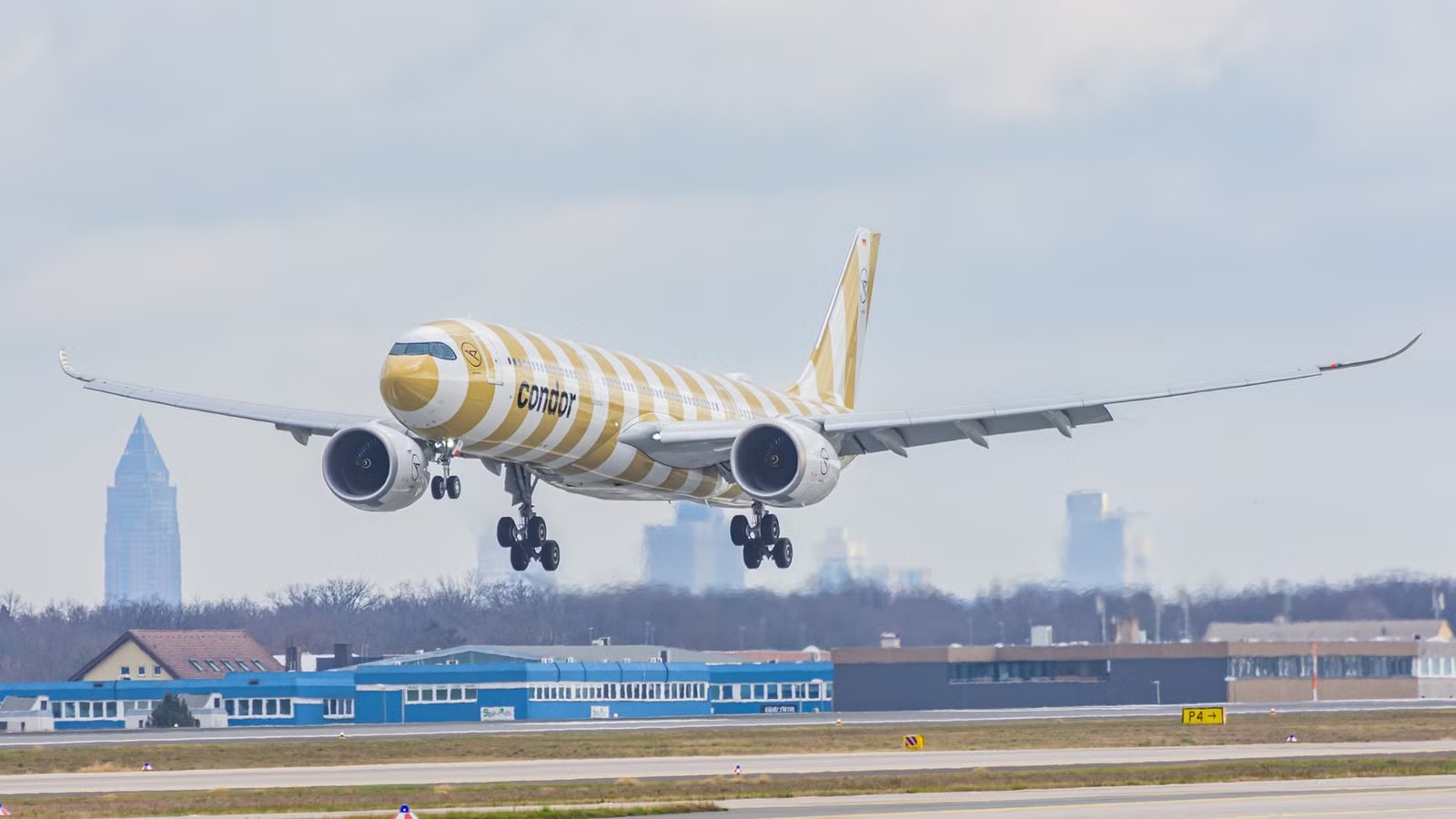
Airbus is recommending additional inspections of 139 Airbus A330neo aircraft already delivered to airlines after a tool was discovered inside the horizontal tail structure of one jet during production. The checks cover aircraft delivered from 2021 through the end of May 2026, extending the investigation beyond aircraft still at Airbus facilities. The manufacturer says there is no immediate safety concern and that it can demonstrate an aircraft remains safe to operate even if a similar tool is present. NBAA reported that Airbus and the European Union Aviation Safety Agency (EASA) are working on the inspection approach, with another update expected in mid-November.
Speaking to media in Toulouse on October 13, Julien Puyou, Airbus’s head of long-range programs, confirmed the discovery and explained why the company is asking airlines to check aircraft already in service. The broad date range is deliberately conservative and does not mean every aircraft is known to contain a foreign object. Airbus must now coordinate with regulators and operators on how the inspections will proceed.
Airbus Expands The Checks Beyond Its Factory

Airbus identified the affected group as all A330neos ( Airbus A330-800 and Airbus A330-900 aircraft) delivered between 2021 and the end of May 2026. Puyou said the company chose a wide window to be cautious and inspect as many aircraft as possible. Checks have been recommended during routine maintenance while Airbus works with EASA on the final policy.
The tool was found inside the horizontal tail plane, also called the horizontal stabilizer, which helps control an aircraft’s pitch. The finding raised a manufacturing-quality concern because loose equipment should not remain inside an aircraft structure after assembly. Airbus has not said that the tool caused damage or affected flight control. The manufacturer maintains that it can demonstrate an aircraft is safe to operate even if a similar item remains inside, while seeking to rule out comparable cases.
Production Delays Have Reached Airline Fleets

The issue initially affected aircraft still in production. Airbus inspected jets at its Toulouse facilities, and A330neo deliveries stopped in June and July 2026. Deliveries later resumed, with one aircraft handed over in August and two in September, according to AeroTime. The interruption left airlines waiting for new widebodies and complicated Airbus’s delivery schedule.
Condor is among the operators whose existing aircraft fall within the inspection window. The German leisure airline told aeroTELEGRAPH that checks had already taken place during regular maintenance and had not identified related abnormalities in its A330neo fleet. It said Airbus and EASA were still coordinating how previous inspections would count toward any further requirements.
The issue has also delayed a new Condor A330neo that has remained in Toulouse since July. The aircraft, expected to be registered D-ANRR, underwent additional checks during production. Condor said its delivery was planned for the second half of November, subject to the latest schedule. The delay demonstrates how a manufacturing investigation can affect aircraft awaiting customer acceptance as well as those already flying.
Regulators And Airlines Must Set The Next Steps

As of mid-October, Airbus had not announced a final inspection deadline for the 139 aircraft. The company said it was discussing the approach with EASA and planned to provide another update in mid-November. The regulator will assess the evidence and determine whether further action, potentially including mandatory inspections, is necessary. Until the process is clarified, airlines must follow the applicable instructions from Airbus and the authorities.
The scope of the checks does not establish that 139 aircraft share the same defect. It identifies the population Airbus wants to examine because those jets were delivered within the period it considers relevant. The inspections are intended to establish whether the isolated discovery has parallels elsewhere, rather than confirm a widespread fault.
For passengers, Airbus says there is no immediate safety concern. For operators, the near-term impact is additional maintenance coordination and uncertainty over the work ultimately required. The mid-November update should clarify whether routine checks are sufficient or a defined inspection program will be imposed across the fleet.