dailynewsnblog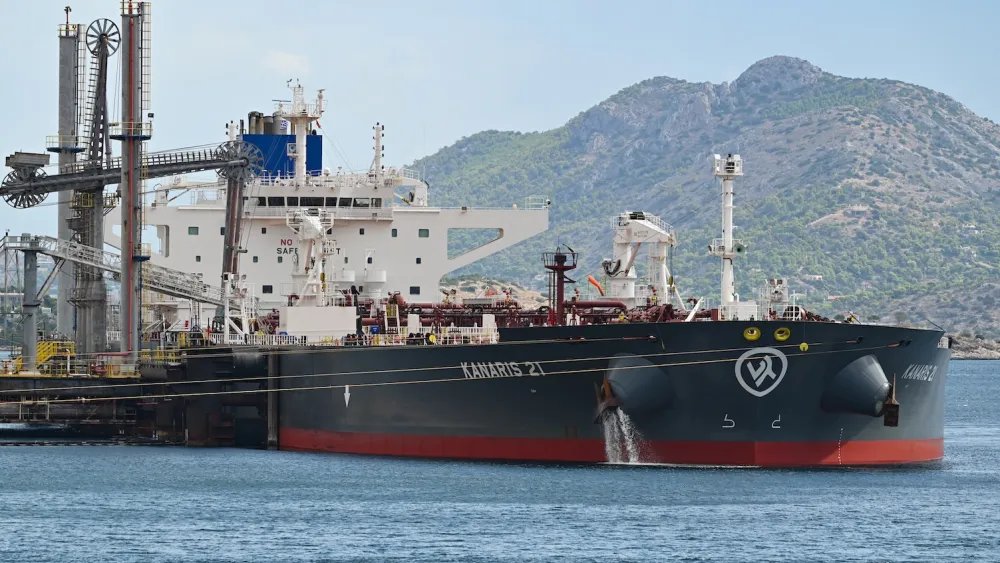
In a bid to bring down freight rates, the Trump administration is considering easing sanctions on “shadow fleet” vessels that have transported oil and petroleum products from countries including Russia, Iran and Venezuela, a Reuters report said Wednesday.
But whether that relief actually arrives depends on which kind of supply the move unlocks, according to Philip Damas, managing director and head of Drewry Supply Chain Advisors.
Removing the tanker sanctions “will not have a major impact on oil prices, as this would not improve oil supply unless the sanctions on these countries’ oil exports were also removed,” according to Damas.
Damas offered container shipping little prospect of a respite from the industry’s current situation, in which ocean carriers have passed increased fuel costs through to shippers for months.
Because the sanctions move would likely have only a reduced effect on oil prices, Drewry also expects that the impact on these surcharges “will likely be limited,” Damas said.
“Freight costs might decline from current historic highs due to improved availability of tonnage,” Damas said, adding that roughly 16 percent of crude tanker tonnage is under U.S. sanctions and could rejoin the mainstream fleet if designations are lifted.
The fleet at issue keeps growing. Kpler Risk & Compliance data published by ship tracking intelligence provider MarineTraffic on Thursday put the shadow fleet at 3,234 vessels in September, a 12-month high, with 62 vessels newly classified that month, 26 of them flagged for dark activity, AIS spoofing or false flags.
Damas illustrated the stakes, noting that the cost of moving a barrel from West Africa to China has climbed from about $4 in 2025 to $7.30 before the war, then to $21 in September and $37 on Wednesday. With a significant improvement in tonnage supply from sanctions relief, he said, the freight cost on that route could fall by $15 to $20 a barrel.
Companies would apply to the Treasury Department for authorization to use the vessels for “legal oil.” Energy Secretary Chris Wright raised the idea in a video message to the World Petroleum Congress in Riyadh.
Energy Aspects, in a note on the proposal, was skeptical about any freight relief at all. The consultancy said easing sanctions would not greatly affect freight rates because most of the sanctioned tankers have been actively trading anyway, though a small number of vessels could add capacity for shuttle runs through the Strait of Hormuz. Ship insurers would still be bound by European and British regulations, capping the relief any American move could deliver.
Ocean carriers have continued to pass on the fuel burden. Maersk raised its emergency fuel surcharge to 20 percent effective Monday due to the soaring energy costs linked to the Middle East conflict, Reuters reported. CMA CGM revised its own emergency fuel surcharge effective Oct. 1 to $265 per 20-foot container on head hauls, per a company advisory.
Container freight rates have soared since the start of the war in Iran in late February, largely due to the escalation in oil prices amid ongoing disruptions at the Strait of Hormuz. Container shipping has largely bypassed the conduit—which harbored shipments of roughly 20 percent of the world’s oil and natural gas supply before the war—throughout the nearly eight-month conflict.
Drewry’s World Container Index, which covers eight major trade lanes, currently sits at $4,485 per 40-foot container as of Thursday. That price is up more than 136 percent from the $1,899 composite calculated on Feb. 26, and has remained above $4,000 per box since the last week of June.
Thursday’s reading rose 3 percent from the week prior, rebounding after three straight weekly declines. Shanghai-to-Los Angeles container prices increased 3 percent to $7,884, while Shanghai-to-New York rates fell 1 percent to $10,075.
Damas highlighted that oil futures are pricing only a small easing of crude prices over the next few months. Brent crude oil futures inched up to around $106 at noon Thursday, testing October’s highs as markets continued to focus on mounting risks to supply in the Middle East.
The discussions on the reported proposal are happening days after President Donald Trump temporarily eased sanctions on Russian diesel fuel, a move met with criticism from Ukrainian President Volodymyr Zelensky, several European countries and many U.S. lawmakers.
According to Reuters, the Energy Department said any move to relieve sanctions on the shadow fleet would not help Russia to move oil or oil products.