dailynewsnblog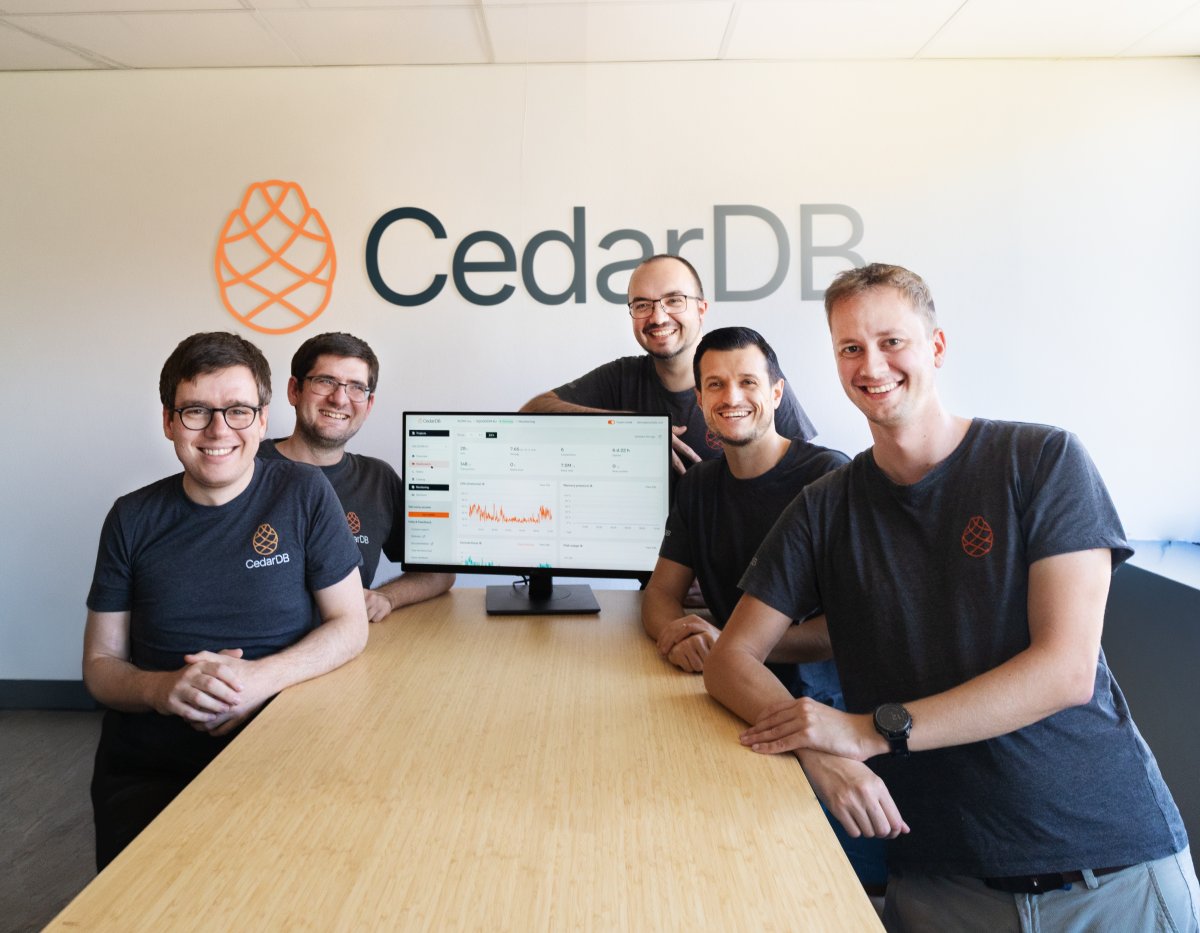
Databases have traditionally been built for one of two jobs. Analytical databases help businesses spot trends and answer questions, while operational databases store the day-to-day records of transactions, like orders and payments. But the Munich-based database engine CedarDB supports both, and its approach has gained relevance with the rise of agentic AI, its cofounder and CEO Moritz Sichert told TechCrunch.
CedarDB has been in the making for the last decade, but its current momentum stems from enterprise companies whose existing data stacks may have been well suited to storing years of transactions, yet less suited to quickly answering analytical questions asked in natural language about that data.
CedarDB’s questioning of the divide between analytical and operational queries is a byproduct of its focus on efficiency. The company is a Technical University of Munich spinout based on Umbra, a research project that was built from scratch to beat legacy database engines at processing speed by making the most of modern hardware.
With five Umbra researchers as its cofounders, CedarDB kept that approach, promising faster performance without requiring more CPUs or processing power and memory — and requiring few changes from customers. In particular, its team made sure CedarDB was compatible with PostgreSQL, an open-source database system.
According to Sichert, this compatibility with the popular database helps keep switching costs low, since users don’t need to rebuild their apps. It also has an added advantage: CedarDB follows the logic LLMs are most familiar with as a result of their training.
That decision is one of many choices that proved lucky in retrospect, Sichert said. But it wasn’t all luck. In a blog post, cofounder Christian Winter detailed key priorities the team set after leaving academia, “such as reliability, fault tolerance and compatibility with popular tools.”
Not all of the answers were obvious. The team strongly debated whether it should launch a cloud offering right away. In the end, it launched CedarDB Enterprise as an on-premise offering alongside its free version, CedarDB Community Edition, both announced in May of last year at the same time as it announced a €5.3 million seed funding round (approximately $6 million).
The cloud offering was only delayed, though, not abandoned. After conducting beta testing with users who had signed up for its waitlist, the company on Wednesday announced limited availability of CedarDB Cloud on stage at TechCrunch Disrupt, where it’s competing with 20 other startups that are right vying to win TC’s prestigious Startup Battlefield competition.
A fully managed, cloud-hosted version will likely help CedarDB expand its user base beyond large enterprises. It will also make it better prepared to compete with the likes of Databricks, a major data company that seems to have reached the same conclusion as the German startup.
At its Data + AI Summit in June, the American company cited “the agentic era” as the reason why it was launching LTAP, a new data architecture aiming to “[unify] transactions, analytics, streaming, and operational data on a single copy of storage in the lake.”
It is too early to tell how disruptive this might be, but Sichert interprets Databricks’ move as another sign that there is demand for what CedarDB does. The startup plans to serve its first cloud users with its current team of 14 people; but Sichert expects it will need a larger team once it gets more traction. “And this is where we would raise our next round.”
Pictured from left to right: CedarDB founders Moritz Sichert, Lukas Vogel, Philipp Fent, Dominik Durner and Christian Winter.
When you purchase through links in our articles, we may earn a small commission. This doesn’t affect our editorial independence.