dailynewsnblog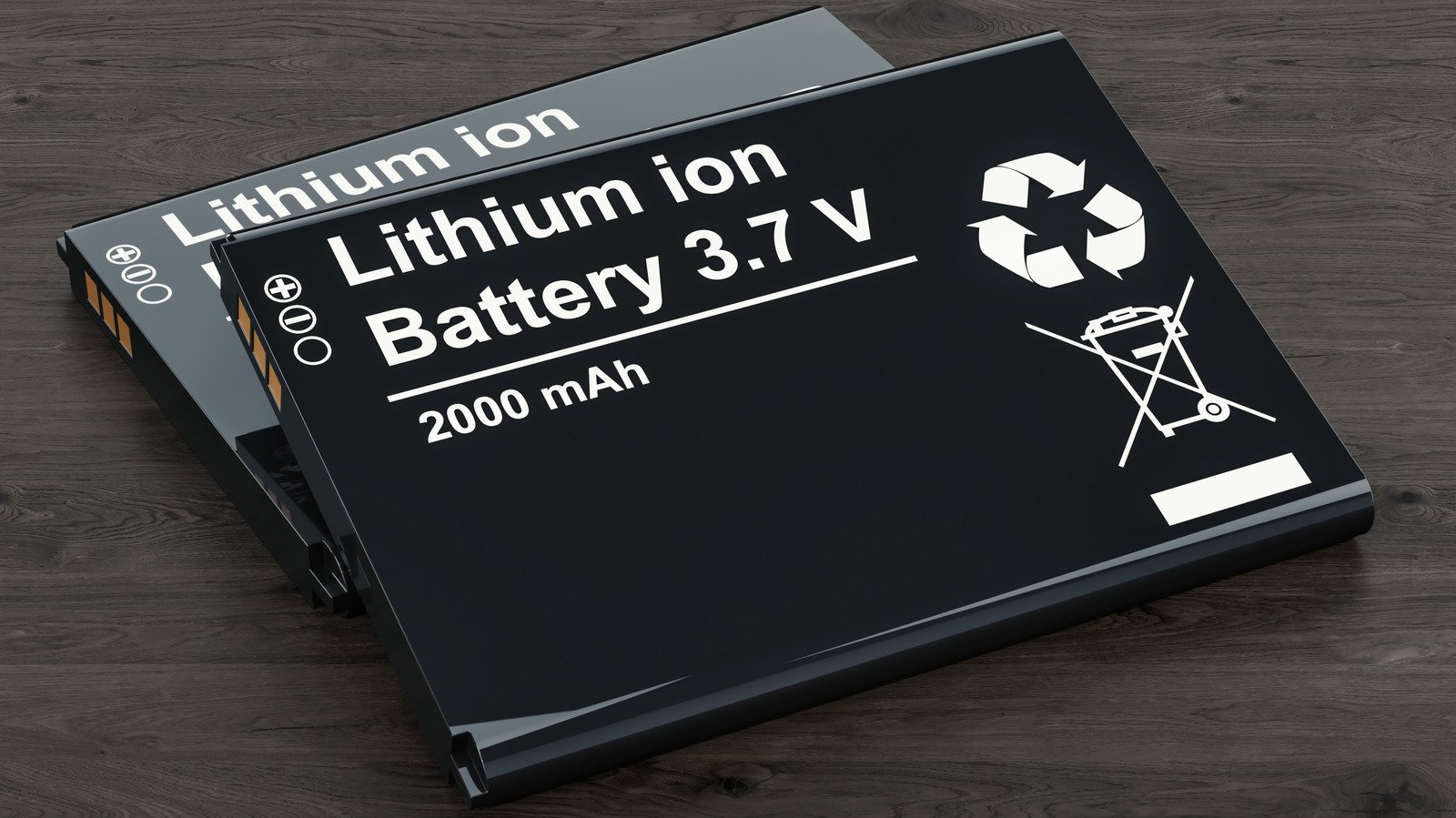
Alkaline, disposable lithium, and Li-ion batteries each serve a different purpose.
We may receive a commission on purchases made from links.
Alkaline and lithium-ion batteries differ significantly, but for most people, the biggest difference lies in their applications. Alkaline batteries include the familiar AA, AAA, C, D, and 9-volt cells found in everyday devices like TV remotes and flashlights. They’re relatively inexpensive and abundantly available for gadgets that draw power slowly.
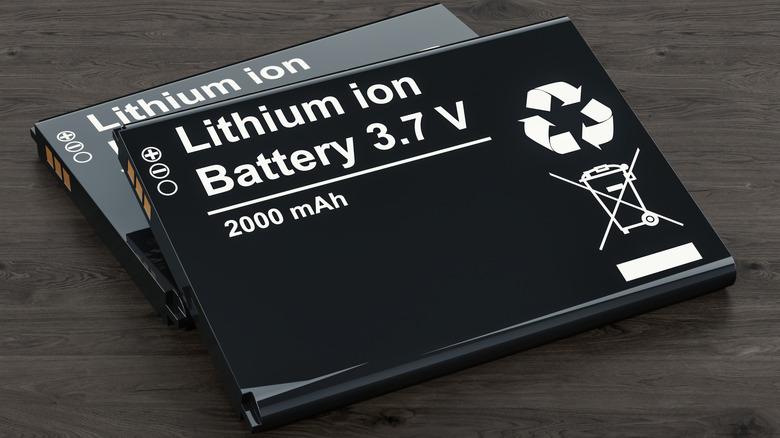
Lithium-ion (Li-ion) is a rechargeable battery typically used in smartphones, laptops, cameras, game controllers, or as detachable batteries for portable power tools. Li-ion stores more energy for its size and delivers substantial power repeatedly, though it usually requires a charging circuit specific to the battery pack.
There’s an important distinction worth highlighting when comparing these two battery types: a disposable “lithium AA” is typically an alternative or a 1.5-volt replacement for an alkaline AA and shouldn’t be confused with Li-ion batteries. Both contain lithium-based chemistry, but the use cases are entirely different.
Match the battery to the job
TV remotes, clocks, a wireless mouse, and things of that nature are low-drain devices, and alkaline batteries are usually the most practical option for each. They cost less and remain viable for a long time, even if the package sits untouched in a drawer for a few months. For the most part, alkaline cells are single-use, so they require replacement.
Lithium-ion is the popular choice for devices that require frequent recharging, like the device you’re probably reading this on, laptops, cordless power tools, and digital cameras. Li-ion’s high energy density makes it possible to cram more runtime into a compact and rechargeable battery.
Disposable lithium AA or AAA cells sit somewhere in the middle. They cost more than alkaline batteries but are the better option for devices that gobble up alkaline batteries quickly. They’re typically best for emergency equipment, outdoor gear, or devices consistently exposed to severe hot or cold weather (-40 to 140 degrees Fahrenheit).
It’s not always appropriate to consider battery type in terms of upgrade performance. If a device specifically calls for alkaline cells, only use a lithium alternative if the manufacturer says it’s compatible. Don’t try to finagle alkaline batteries into a lithium-ion battery pack or try to charge disposable alkaline or lithium cells. Doing so can cause overheating or potential fires.
Rechargeable AA batteries are the sensible middle ground
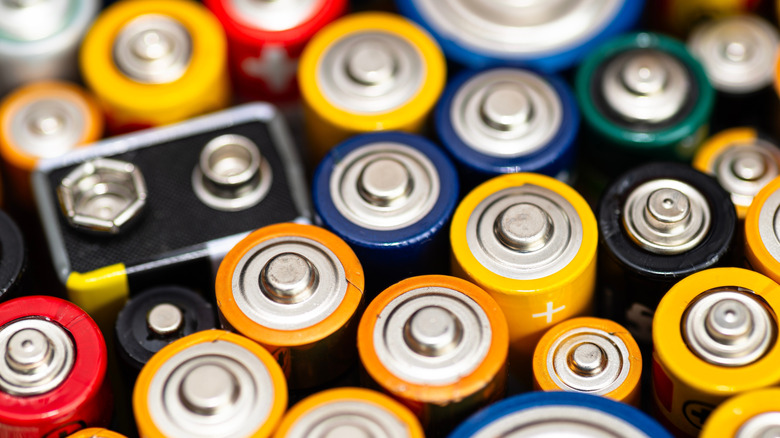
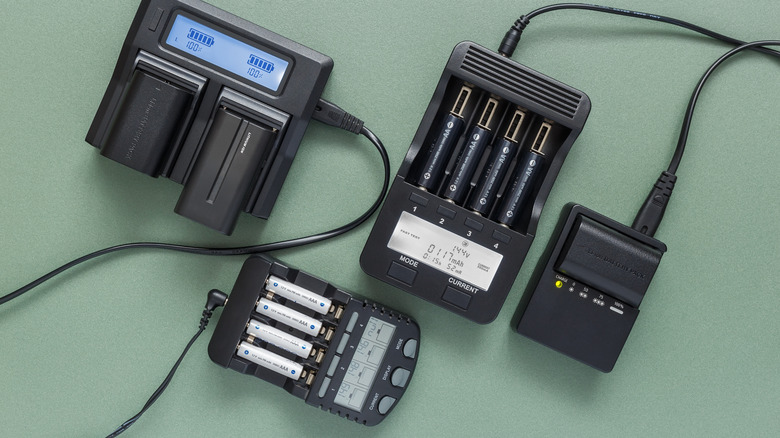
For those who run through their AA and AAA stockpiles in a few days, rechargeable Ni-MH batteries like the Panasonic Eneloop make a much better alternative to repeatedly buying alkalines. While they’re not lithium-ion, they come in AA and AAA sizes and work in most everyday devices made for 1.5-volt disposable cells. Always check the instructions on any device, just to be sure. Rechargeable Ni-MH batteries typically push 1.2 volts, and a few products here and there may be particularly voltage-sensitive.
Rechargeables are great for devices that require fresh batteries often. If you always keep a charged set on hand, it’s just a matter of switching them out when needed. The difference between alkaline and lithium-ion is also important for disposal. In most of the U.S., alkalines can go in the trash (except for California), though local or county rules may encourage or require recycling.
Lithium-ion batteries and the devices containing them should never go into household garbage or a random recycling bin because damaged cells can start fires. Instead, take them to a dedicated battery recycler or participating retailer. Always make sure you tape up the exposed terminals and keep the batteries separate before transport.