dailynewsnblog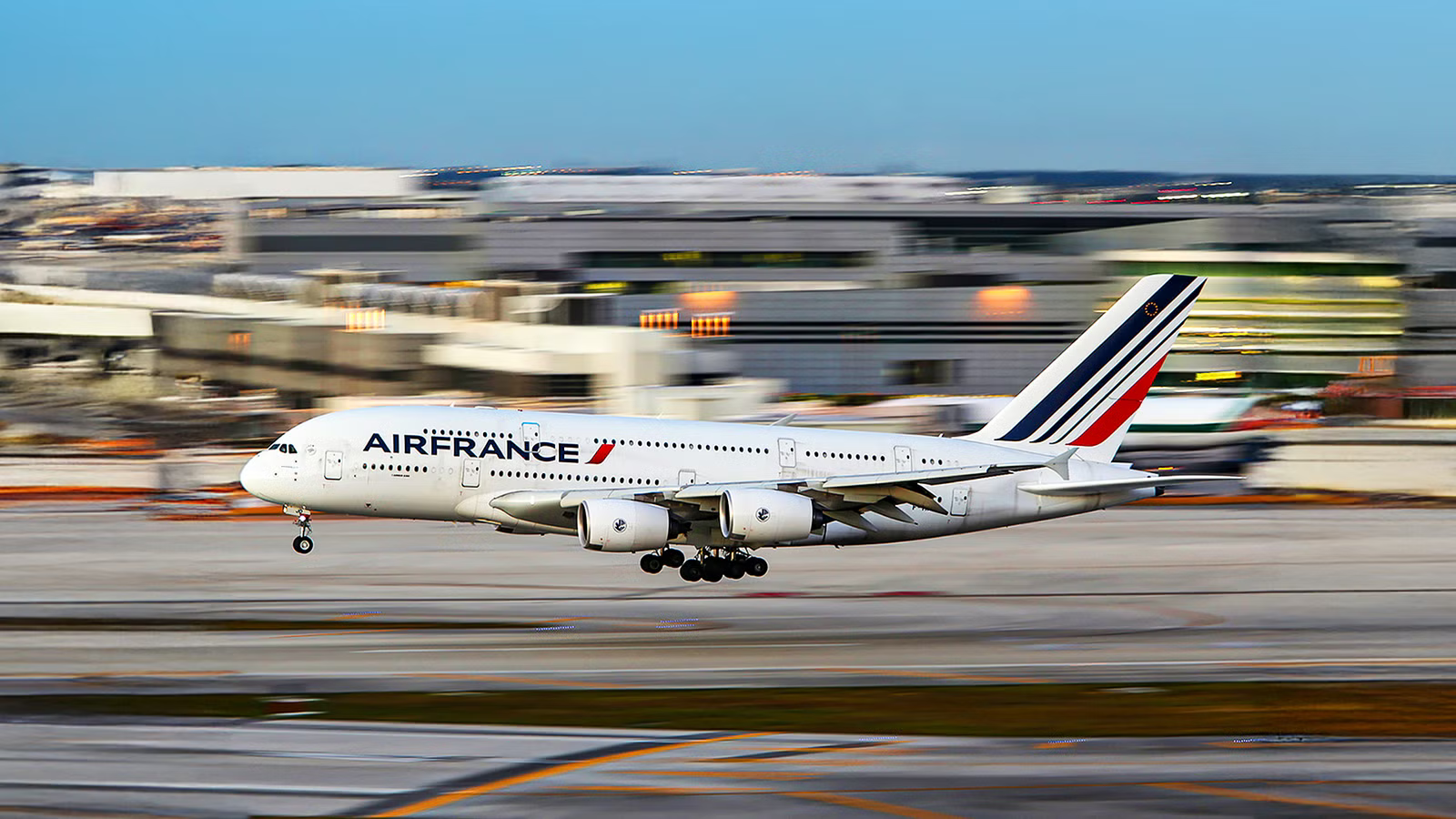
Fleet planning is the longest gamble an airline can possibly make on its future business plans and when mistakes are made, the results can be catastrophic. Signing a new aircraft order today locks in capital, crews, maintenance networks, and long-term route plans for 20 years or more. That kind of commitment demands exact economic conditions to justify a multi-billion-dollar order. Yet, sometimes the entire premise can evaporate before the first jet ever rolls off the assembly line.
Then there are cases when planes arrive, and the machines simply don’t perform up to expectations. Still, in other situations, the market radically shifts, which makes a fleet ill-suited to customer demand before a carrier can recoup its sunk costs and retrofit the jets. These airlines left themselves with absolutely zero wiggle room when reality shattered perfectly-laid plans.
Skymark Airlines
A high-stakes bet on the world’s largest jumbo

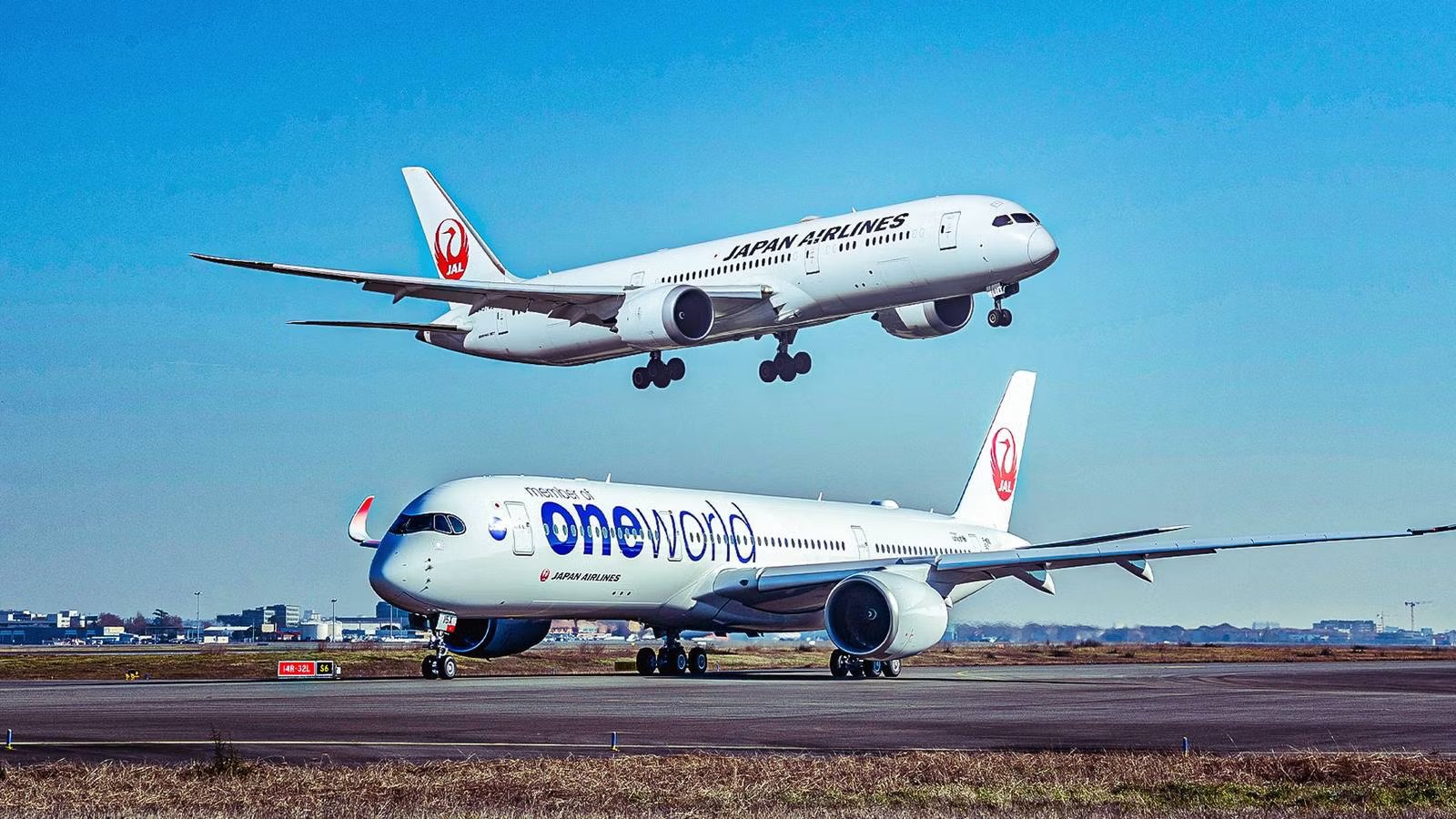
In early 2011, Skymark Airlines was Japan’s third-largest and fastest-growing carrier. Eager to shed its low-cost domestic image, the Haneda-based airline launched an aggressive pivot toward premium international service. To anchor this new identity, Skymark placed a bold order for four double-decker Airbus A380s, later expanding the commitment to six aircraft. It was a grand statement of intent, but the strategy carried a macroeconomic blind spot.
Skymark agreed to pay for the multi-million-dollar jets and their long-term upkeep in US dollars while collecting its daily ticket revenue in Japanese yen. Shortly after the ink dried on the contract, the yen entered a steep, historic nose-dive against the dollar, instantly inflating the actual cost of the aircraft beyond the airline’s financial reach.
Airbus successfully assembled and flight-tested the first Skymark A380 in April 2014, but behind closed doors, the carrier’s finances were already in a terminal stall. The airline turned the blame on the planemaker’s pre-emptive legal action for its unrecoverable financial collapse. As Reuters quoted a company spokesperson in 2015:
“The company, believing the demands for breach-of-contract payments were unreasonable, attempted to negotiate a reduction in the payments with Airbus but reached a situation in which there were concerns that payment for breach of contract would have worsened the company’s financial base.”
Airbus simply replied: “We are aware that Skymark Airlines has filed for bankruptcy protection, this is now a matter for the courts.” Recognizing the looming default, Airbus abruptly canceled the entire order and subsequently dragged Skymark into international court over the breach of contract, a crushing legal and financial blow that ultimately pushed the overextended Japanese upstart into bankruptcy.
Spirit Airlines
Bet the house on a single faulty engine

Spirit Airlines chose to concentrate its operational risk on a completely different asset: its engine manufacturer. The ultra-low-cost carrier bolted its entire future to the Pratt & Whitney Geared Turbofan (GTF) to power its Airbus A320neo family fleet. That gamble backfired catastrophically when a massive, safety-related engine recall tore through the global aviation sector.
Spirit’s hyper-concentration on this single powerplant had crippled the airline far worse than its more diversified competitors. The technical fallout was devastating, instantly forcing three dozen or so of Spirit’s narrowbody jets into indefinite storage while awaiting heavy maintenance. Worse still, every single one of the 79 GTF engines in Spirit’s possession would eventually be forced off-wing for inspections, with individual repair times stretching past two years per engine.
While Pratt & Whitney provided cash compensation packages worth up to $195 million to help prop up the airline’s liquidity, cash injections could not replace grounded aircraft or fly stranded passengers. The engine crisis ultimately acted as the final catalyst for Spirit’s compounding financial ruin. The damage solidified when aircraft leasing giant AerCap stepped in, abruptly canceling leases for 36 upcoming aircraft scheduled to keep Spirit’s growth alive.
Hit simultaneously by weak consumer demand for budget seats, intense competition from legacy airlines, and a hobbled fleet, the carrier plummeted into its second Chapter 11 bankruptcy case in less than a year. The true end came after a board meeting closed without agreement on a rescue plan and a proposed $500 million government rescue collapsed.
Cirium data cited by Airways showed only 13 of Spirit’s A320neos in service against 49 in storage, with many parked aircraft affected by the engine problem. The airline was also struggling at a time when the conflict involving Iran had disrupted jet fuel supply through the Strait of Hormuz and pushed fuel costs sharply higher.
Air France
The high cost of the wrong hub strategy

Air France operated a fleet of up to 10 Airbus A380s before making headlines in May 2020 as the first global airline to completely retire the double-decker jumbo jet at the height of the pandemic. While the aviation industry widely dismissed the move as a sudden casualty of global lockdowns, Air France-KLM Chief Executive Benjamin Smith later confirmed that the decision was driven by a poor return on investment.
Speaking at the Paris Air Forum, Smith made it clear that he had zero regrets about grounding the fleet, because the aircraft had become a money pit. Despite being a massive hit with passengers, the A380 fleet was staring down a staggering investment for mandatory engine overhauls and cabin retrofits. Compounding this massive bill was a fundamental flaw in the airline’s route network. Outside the brief summer holiday peak, the jumbos simply could not generate a steady profit.
The traditional economic justification for the A380 relies on massive numbers of passengers through heavily congested, slot-constrained megahubs like London Heathrow (LHR) or Hong Kong (HKG). Because Air France’s primary hub at Paris Charles de Gaulle (CDG) was never restricted by takeoff and landing slots, the airline could easily deploy smaller, more efficient twinjets.
Smith said the Airbus A350, which Air France introduced in the meantime, was much more successful than the double-deckers. By 2020, the cost of keeping the jets flying had become larger than the profit they earned, and the pandemic simply gave the airline a reason to stop paying for it.
Southwest Airlines
Stranded by a 13-year fleet stagnation

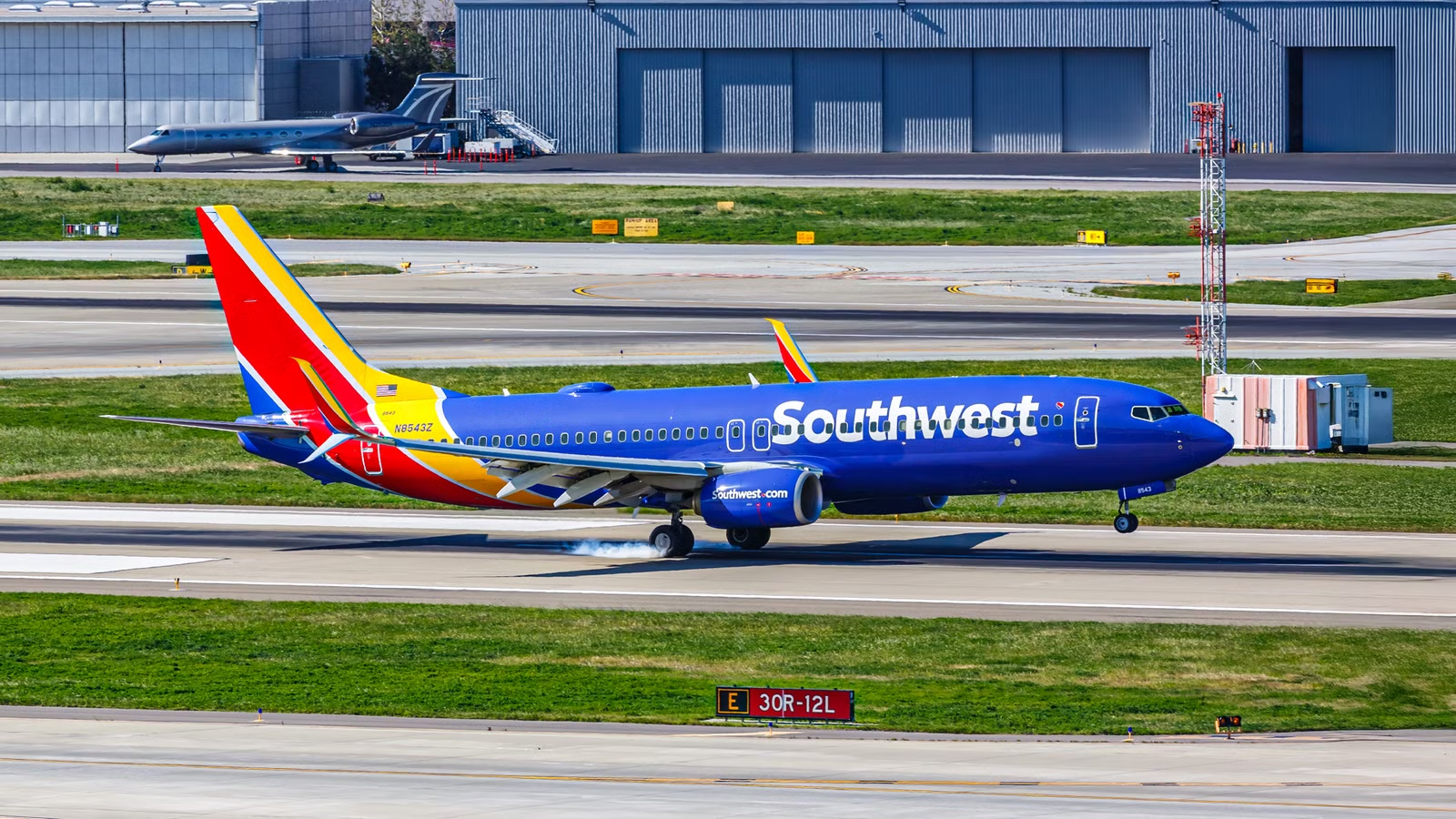
Southwest Airlines built its entire empire on the operational simplicity of flying just one aircraft family. The Boeing 737 MAX 7 was meant to be the indispensable cornerstone of its modernization strategy. Designed to replace its aging fleet of 737-700s, Southwest first committed to the new variant back in May 2013 by converting 30 existing orders. As of today, the carrier has been left waiting for a staggering 13 years for an aircraft that only recently received regulatory certification in the US.
As Boeing’s production and certification timelines repeatedly collapsed, Southwest was forced to scramble, converting dozens of its MAX 7 orders into the larger, less optimized MAX 8 model just to get usable planes in the air. Meanwhile, rival carriers like United Airlines and WestJet completely canceled their MAX 7 commitments, leaving the uncertified variant at a measly 6% of the total Boeing 737 order book.
Stranded without its intended fleet replacement, the airline has had no choice but to burn through millions keeping its heavily aged 737-700s flying, forcing major network compromises and destroying the cost efficiencies that once made the discount giant untouchable. Southwest Chief Financial Officer Tom Doxey told Reuters that first deliveries are expected in late 2026.
The choice that came back to haunt Southwest was less the selection of the MAX 7 than the lack of any alternative when the aircraft stalled. A single supplier and single family strategy brings savings in training, maintenance, and scheduling, and it also means one certification problem can hold up an entire fleet renewal.
Lufthansa
The fragile timeline of a flagship launch

Lufthansa signed on as the high-profile launch customer for the Boeing 777-9, intending to use the massive widebody as the global showcase for its highly anticipated Allegris premium cabin. First unveiled in 2017, the new cabin concept was scheduled to debut alongside the aircraft’s commercial entry into service in 2020. That timeline collapsed completely.
In the years that have gone by, the carrier was forced to lean heavily on aging 26-year-old Boeing 747-400s as temporary stopgaps to preserve long-haul capacity, keeping eight of the obsolete jumbos flying for another year or two just to maintain its network. The endless aircraft delays eventually forced Lufthansa to decouple its cabin rollout from the stalled 777X program.
Allegris finally debuted in 2024 on the Airbus A350, followed by the Boeing 787-9, yet even these alternative paths introduced major industrial headaches. A complex, rolling backlog of seating safety certifications meant that each distinct variation of the new business-class seat had to be approved individually. This regulatory bottleneck was so severe that completed Dreamliners were left sitting in desert storage for over a year, leaving Lufthansa’s entire premium fleet strategy completely compromised.
The 777-9 itself is closer than it has been. The first production aircraft fitted with a full Lufthansa cabin finally flew on May 7. In June, Boeing had hoped to reach FAA certification in October, and that the schedule had slipped again, which cast doubt on Lufthansa’s expectation of delivery in early 2027. The jet will be at least seven years late when it finally arrives. To date, Boeing has said the problem lies in the certification process rather than in any new technical issue.