dailynewsnblog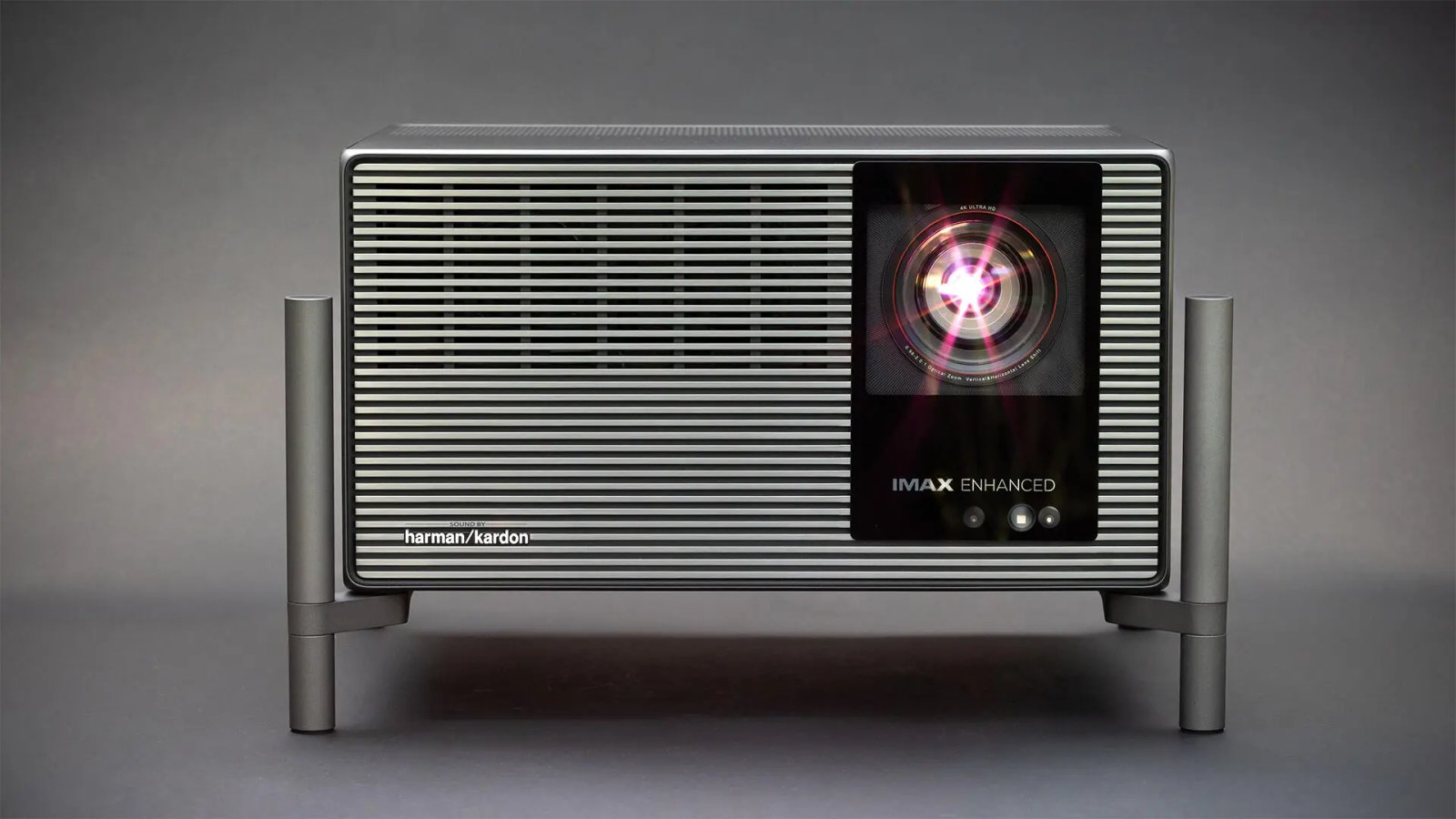
If the biggest TVs aren’t big enough for you, then a projector is often a cheaper, easier way to get a wall-size image. You don’t need to spend a lot, though the higher-priced models are brighter with better image quality. Projectors are easy to set up, and nearly all have streaming built in. While a dedicated screen is ideal, any smooth, flat surface will work. That could be the wall of a bedroom or the side of your house for an epic backyard movie night. You can also use projectors to watch your favorite TV shows and play games on your PlayStation, Xbox or Nintendo Switch.
Our Picks

Best projector overall
Xgimi Titan Noir Pro
Bottom Line
The Xgimi Titan Noir Pro offers eye-watering brightness, excellent contrast and extensive zoom and lens shift options. It’s the best overall c…
Pros & Cons
-
Incredible brightness -
Excellent contrast -
Flexible zoom
-
Expensive -
Do you really need this much light? -
Typical laser artifacts/issues

Bottom Line
The Epson Home Cinema 5050UB was our former top pick, and we still recommend it. It has an excellent contrast ratio, paired with great brightn…
Pros & Cons
-
Superb overall picture quality -
Excellent contrast ratio -
Motorized lens -
Ample lens shift and motorized zoom
-
Huge -
Expensive -
Still uses replaceable lamps

Bottom Line
Why I like it:
UST projectors tend to be very expensive for their performance, at least compared to traditional, non-UST projectors (most of t…
Pros & Cons
-
Stylish design -
Motorized cover -
Decent bass for a projector
-
Still expensive, but all UST projectors are -
Heat issues restricted brightness in testing

Bottom Line
Why I like it:
This projector’s predecessor, the HT2050A, was one of my favorite projectors for many years. The HT2060 improves on it in most …
Pros & Cons
-
Excellent, lifelike color -
Decent contrast ratio -
The Goldilocks of price and performance
-
Brightness is rather average -
A little pricey for 1080p

Bottom Line
Why I like it:
This is one of my favorite projectors. The image it creates is gorgeous. If you have a smaller room, or when placement behind (…
Pros & Cons
-
Excellent contrast -
Accurate colors -
Bright
-
Expensive -
Short throw not for everyone

Bottom Line
Why I like it:
If you’re looking for a highly portable projector that can be battery powered but still create a decent image, the Anker Nebula…
Pros & Cons
-
Great size -
Google TV streaming -
Decent color and contrast for a portable
-
A little pricey -
Shorter battery life -
Outperformed by larger, but still portable, models

Bottom Line
Why I like it:
The Grand Plus is extremely bright and has great color. You can get a massive image with almost TV-levels of brightness. Its vi…
Pros & Cons
-
Extremely bright -
Great color -
Balanced sound
-
Not particularly loud -
No lens cover -
Boring design

Bottom Line
The JMGO N3 Ultimate is a fully gimbaled projector, with motorized pan and tilt, as well as a lens with motorized shift and zoom. I’m not conv…
Pros & Cons
-
Very accurate color -
Extremely bright -
Excellent lens shift options
-
Expensive -
Not that much better than cheaper options -
Gimbals still seem unnecessary to me

Best budget 4K projector
Hisense M2 Pro
Bottom Line
Why I like it:
The Hisense M2 Pro is small but can create a big, bright image. Its colors are fairly accurate, and it has an optical zoom, whi…
Pros & Cons
-
Compact size -
Fairly accurate colors -
Optical zoom
-
VIDAA OS is fine but not common -
Maybe a little overpriced

Bottom Line
Why I like it:
The soda can-size Anker Nebula Capsule Air is just about as portable as you can get. It has 720p resolution, built-in Google TV…
Pros & Cons
-
Fun sized -
Full version of Google TV -
Useful optional accessories
-
Not very bright -
Not very accurate
What is the best overall projector?
If you’re looking for impressive brightness, contrast and great overall picture quality, the Xgimi Titan Noir Pro is the best overall projector. It uses RGB lasers to create light for an impressively punchy picture, though the lasers can cause artifacts for glasses wearers. The Epson Home Cinema 5050UB, our former top pick, doesn’t have that issue and also looks fantastic, though it isn’t as bright.
If you want something less expensive, the best projector for the money is the BenQ HT2060. In turn, the best short-throw projector is the BenQ X500i. Next, the best ultra-short throw is the Xgimi Aura 2, while the Epson Lifestudio Grand Plus is even better for a lot more money.
If you’re looking for something more portable, we have a whole guide for the best portable projectors. Our top picks are the compact Anker Nebula Mars 3 Air and the larger, but far brighter, Anker Nebula X1.
Best projectors of 2026
Best projector overall
Xgimi Titan Noir Pro
-
Incredible brightness -
Excellent contrast -
Flexible zoom
-
Expensive -
Do you really need this much light? -
Typical laser artifacts/issues
The Xgimi Titan Noir Pro offers eye-watering brightness, excellent contrast and extensive zoom and lens shift options. It’s the best overall choice for creating a theater in your home. However, it’s very expensive.
Why I like it:
The Titan Noir Pro creates a gorgeous, contrasty image with great color. It’s capable of extreme brightness, which you can turn down if you’re viewing in a dark room. It’s the brightest projector I’ve ever tested, and it has one of the highest contrast ratios. Which is all to say, it looks fantastic.
Who is it for:
Anyone who wants a massive, bright image in their home.
Who shouldn’t buy it:
Anyone looking for something portable or unwilling to get a screen. The performance of the Titan Noir deserves a dedicated screen, not just a wall. While not big, it’s big enough that it’s not portable like some of the others on this list. It’s designed for permanent placement in a living room or dedicated theater, even if that’s just a converted basement.
The cost is also rather extreme. For just a bit more, you could get a Sony or JVC. It won’t be as bright but will have a significantly better contrast ratio (and, broadly speaking, an even better-looking image). For a lot less money, projectors like the JMGO N3 Ultimate (recommended below) offer performance that’s close enough that most people might not notice, especially if you’re not using an actual screen.
Lastly, like all RGB laser projectors, if you wear glasses, you might see chromatic artifacts. This can negatively affect your viewing experience. So it’s worth considering the Epson 5050 or LS11000, both recommended below, instead.
- Resolution
- 4K
- Display type
- DLP (3 laser)
- Brightness (lumens)
- 6,000 (claimed)
- Lens shift
- ±130% vertical, ± 50% horizontal
Best 4K LCD projector
Epson Home Cinema 5050UB
-
Superb overall picture quality -
Excellent contrast ratio -
Motorized lens -
Ample lens shift and motorized zoom
-
Huge -
Expensive -
Still uses replaceable lamps
The Epson Home Cinema 5050UB was our former top pick, and we still recommend it. It has an excellent contrast ratio, paired with great brightness and accurate color, all with better detail than what’s possible with a 1080p native resolution projector. It also doesn’t have the potential for chromatic artifacts for those who wear glasses, something RGB laser projectors (like our top pick, the Titan Noir Pro) all have.
Why I like it:
The HC 5050UB is one of the best projectors I’ve reviewed in years. It looks great, produces a highly accurate image, and offers extensive lens shift and zoom options, so it will fit in a variety of setups, including mounting on the ceiling, on a shelf behind a couch, and so on. Even better, the adjustments are motorized, so you can have a 2.35:1 screen and, with the press of a button, zoom out to fill it or zoom in to just fill the central 16×9 portion for TV shows. It still uses lamps, however, and if that’s a deal-breaker for you, check out the Epson LS11000, mentioned below in the Other PJs I’ve tested section. It’s very similar to the 5050, but uses lasers instead of a lamp, which has additional benefits beyond not having to replace lamps.
Who is it for:
Anyone who wants to transform their living room into a home cinema and wants better image quality than what a less-expensive projector can provide.
Who shouldn’t buy it:
If you just want something for an occasional movie night, the 5050 is big, bulky, and wildly overkill. One of the less expensive projectors on this list will do most of what the 5050 does for way less money. Also, while bright enough for dark rooms, newer laser projectors like our top pick are much brighter.
- Resolution (pixels)
- 1,920×1,080 x2
- Display type
- 3-LCD
- Brightness (lumens)
- 2,600 (claimed)
- Lens shift
- Yes
- Inputs
- 2x HDMI (HDCP 2.2), 1x USB Type A, 1x USB, 1x Mini USB, 1x LAN (RJ45), 1x Computer/D-sub 15 pin, 1x RS-232 Port
Best ultra-short throw projector
Xgimi Aura 2
-
Stylish design -
Motorized cover -
Decent bass for a projector
-
Still expensive, but all UST projectors are -
Heat issues restricted brightness in testing
Why I like it:
UST projectors tend to be very expensive for their performance, at least compared to traditional, non-UST projectors (most of the other projectors on this list). The Aura 2 has good color, a decent contrast ratio and is plenty bright. It also has a classy look that will blend in well with many rooms.
Who is this for?
Anyone who can’t fit a traditional projector but doesn’t want to spend too much on a UST.
Who shouldn’t buy it
UST projectors, including the Aura 2, are expensive for what you get. A non-UST projector for the same money will typically be brighter, with better color. They also basically require a special screen, otherwise you’ll get a ton of light on your ceiling, which diminishes image quality. So if you can fit a traditional projector, even a regular short throw (like the BenQ mentioned elsewhere in this guide), that’s worth considering instead.
The Xgimi Aura 2 is the best ultra-short throw projector for its combination of looks, price and performance. While other USTs, like the Epson mentioned in this guide, are brighter, with better colors, the Aura 2 is significantly cheaper and offers a great balance of price and performance.
- Resolution
- 4K
- Display type
- DLP (3 laser)
- Brightness (lumens)
- 2,300 (claimed)
- Speakers
- 4×15 Watt
Best 1080p projector
BenQ HT2060
-
Excellent, lifelike color -
Decent contrast ratio -
The Goldilocks of price and performance
-
Brightness is rather average -
A little pricey for 1080p
Why I like it:
This projector’s predecessor, the HT2050A, was one of my favorite projectors for many years. The HT2060 improves on it in most ways, and if your budget is around $1,000 and you have a light-controlled room, this is the projector to get. It creates a fantastic image with excellent contrast and color accuracy. It easily outperforms projectors that cost a lot more. It even has some lens shift to make installation easier in a wider range of rooms. While it’s “only” 1080p resolution, that should be plenty for all but the most resolution-obsessed viewers. Its LEDs will last the life of the projector, so there are no lamps to replace. It’s bright enough for most uses, but if you need more extreme levels of brightness, check out the Epson HC2350 mentioned below. It doesn’t look as good, but it is far brighter.
The HT2060 is my go-to recommendation for most people looking for a projector. It looks great and does just about everything well, especially considering the price.
Who is it for:
Anyone who wants a great projector at a great price.
Who shouldn’t buy it:
If you want the extra resolution possible with 4K or want a huge image, there are brighter and higher-resolution projectors on this list that I like almost as much as the HT2060.
- Resolution (pixels)
- 1920 x 1080
- Display type
- 4-LED
- Brightness (lumens)
- 2,300 (Claimed)
- Lens shift
- Yes
- Inputs
- 2x HDMI (HDCP 2.2), 1x USB (2.5A), 1x 3.5mm analog, 1x RS-232 port
Best short-throw projector
BenQ X500i
-
Excellent contrast -
Accurate colors -
Bright
-
Expensive -
Short throw not for everyone
Why I like it:
This is one of my favorite projectors. The image it creates is gorgeous. If you have a smaller room, or when placement behind (or above) a couch isn’t possible, this projector’s short-throw is an excellent option. It needs just 5 to 6 feet away from a wall or screen to create a 100-inch image, compared with about 10 feet for a non-short throw projector. I like it so much I wish it were more flexible because its image quality is some of the best I’ve seen in years. It creates a bright, sharp, 4K image with tons of contrast and excellent color. Its image is better than many projectors that cost far more. I wanted to buy one after I reviewed it, but alas, my theater setup isn’t conducive to a short-throw projector.
Who is it for:
People with smaller rooms, or the ability to mount a projector above where a coffee table would be.
Who shouldn’t buy it:
If coffee table placement, or a ceiling mount above where a coffee table would be, isn’t where you want a projector, the X500i isn’t for you. Short throw projectors don’t work in every room, but if they do work in your room, this projector makes a beautiful image.
If you like the idea of the X500i but want something smaller and/or brighter, check out BenQ’s own TK705STi mentioned below in the “Other projectors I’ve tested” section.
- Resolution (pixels)
- 3840 x 2160
- Display type
- 4-LED
- Brightness (lumens)
- 2,200 (Claimed)
- Lens shift
- No
- Inputs
- 2x HDMI (HDCP 2.2), 1x USB-C, 1x USB-A, 1x RS-232, 1x 802.11 internet
The Anker Nebula Mars 3 Air is highly portable, and can double as a Bluetooth speaker. / Geoffrey Morrison/CNET
Best portable projector
Anker Nebula Mars 3 Air
-
Great size -
Google TV streaming -
Decent color and contrast for a portable
-
A little pricey -
Shorter battery life -
Outperformed by larger, but still portable, models
Why I like it:
If you’re looking for a highly portable projector that can be battery powered but still create a decent image, the Anker Nebula Mars 3 Air does just about everything right. It’s my pick for best portable projector, and it creates a relatively bright image, sounds decent, has Google TV built in and is easy to move around and set up. It’s a little on the expensive side, but if you’re looking for something for the occasional movie night at home or on the go, it does a great job.
Who is it for:
Anyone who wants something extremely portable (it even has a handle!) for movie nights outside or anywhere a normal projector would fear to tread.
Who shouldn’t buy it:
If you don’t need something as easily portable, the BenQ HT2060 (elsewhere on this list) is brighter and looks better overall. It’s far larger and more expensive, of course, but still easy to move from room to room.
If your budget is more flexible, the TCL PlayCube largely outperforms the Mars 3 Air but is nearly double the price. It’s currently mentioned below in the Other Projectors I’ve Tested section, or you can read my full review.
- Resolution (pixels)
- 1920 x 1080
- Display type
- DLP
- Brightness (lumens)
- 400 (Claimed)
- Lens shift
- No
- Inputs
- 1x HDMI, 1x USB-A, 1x 2.4 internet
Best high-end ultra-short throw projector
Epson Lifestudio Grand Plus
-
Extremely bright -
Great color -
Balanced sound
-
Not particularly loud -
No lens cover -
Boring design
Why I like it:
The Grand Plus is extremely bright and has great color. You can get a massive image with almost TV-levels of brightness. Its vibrant color is also far more lifelike than other UST projectors we’ve tested.
Who is it for:
If you can’t fit a traditional projector and a UST projector is your only option for a huge screen, the Epson Lifestudio Grand Plus creates a great image.
Who shouldn’t buy it:
Like all UST projectors, you really need a special screen, so the overall price of the system is quite high. Also, you can get an as-good or better image with a traditional projector for less money. While the Grand Plus’s sound is decent, it doesn’t get very loud, which could be a problem for larger rooms. If you can afford it, though, this is a great-looking UST projector.
The Epson Epson Lifestudio Grand Plus is extremely bright and colorful, though its contrast ratio isn’t as high as the competition.
- Resolution
- 4K
- Display type
- LCD
- Brightness (lumens)
- 4,000 (claimed)
- Speakers
- 2 full range, 1 woofer (Watts unspecified)
Best gimbaled projector
JMGO N3 Ultimate
-
Very accurate color -
Extremely bright -
Excellent lens shift options
-
Expensive -
Not that much better than cheaper options -
Gimbals still seem unnecessary to me
The JMGO N3 Ultimate is a fully gimbaled projector, with motorized pan and tilt, as well as a lens with motorized shift and zoom. I’m not convinced most people need the extra cost of a gimbal, since manually adjusting a projector is fast and easy. But if that’s what you want, the N3 Ultimate can do all that and create an excellent image.
Why I like it:
The N3 Ultimate, beyond the gimbal stuff, creates an accurate, bright image with great contrast. It’s one of the best-looking projectors I’ve reviewed.
Who is this for?
Anyone who wants a great-looking projector as well as the convenience of a motorized gimbal. It also has a decent zoom range and horizontal and vertical lens shift, so it can fit just about anywhere.
Who shouldn’t buy it
The N3 Ultimate is expensive. It’s also not that much more attractive than cheaper options. You’re paying for the ability to pan and tilt the projector with a remote. As someone who has used a projector as his main “TV” for over 20 years, I’m not sure that’s important. There are a lot of gimbal projectors on the market, though, so perhaps I just don’t get it.
- Resolution
- 4K
- Display type
- DLP (3 laser)
- Brightness (lumens)
- 5,800 (claimed)
- Lens shift
- Horizontal: +/-53%, Vertical: +/-130%
- Inputs
- 2x HDMI, 1x USB-A, Wi-Fi
Best budget 4K projector
Hisense M2 Pro
-
Compact size -
Fairly accurate colors -
Optical zoom
-
VIDAA OS is fine but not common -
Maybe a little overpriced
Why I like it:
The Hisense M2 Pro is small but can create a big, bright image. Its colors are fairly accurate, and it has an optical zoom, which is rare in this price range. It doesn’t have a full gimbal like some of the others on this list, but it can easily tilt up and down, which is all most people would need.
Who is it for:
Anyone looking for a compact projector that can create a bright image. While you could permanently install it, it’s more designed for the occasional movie night on whatever wall is available.
Who shouldn’t buy it:
Unlike most projectors, the M2 Pro uses Hisense’s VIDAA OS. Not a huge deal, but if you watch less popular apps, they might not be available. If you want something a little more accurate, and without the potential for issues for glasses-wearers due to the use of RGB lasers, check out the Epson Home Cinema 2350 mentioned in the Other projectors I’ve tested section below.
If you like the idea of the M2 Pro but want a shorter throw to fit in smaller rooms, check out the BenQ TK705STi, also mentioned in the Other projectors I’ve tested section below.
- Resolution (pixels)
- 3840 x 2160
- Display type
- DLP
- Brightness (lumens)
- 1,300 (Claimed)
- Lens shift
- No
- Inputs
- 1x HDMI, 1x USB-A, Wi-Fi
Best ultra-portable projector
Anker Nebula Capsule Air
-
Fun sized -
Full version of Google TV -
Useful optional accessories
-
Not very bright -
Not very accurate
Why I like it:
The soda can-size Anker Nebula Capsule Air is just about as portable as you can get. It has 720p resolution, built-in Google TV for streaming and a battery that should last for a long movie or several episodes of your favorite TV show. There’s even an optional tripod with a battery to extend playtime to 4 hours. However, it’s not particularly bright, no projector this size is, but for something pocket-size for a viewing party just about anywhere (anywhere dark, anyway), it’s great. If you don’t need that extreme level of portability, the Anker Mars 3 Air elsewhere on this list looks better overall while being a bit larger.
Who is it for:
Someone who wants an extremely small projector that still looks good.
Who shouldn’t buy it:
Anyone who wants an image larger than a small TV or needs to compete with any amount of ambient light.
- Resolution (pixels)
- 1,280 x 720
- Brightness (lumens)
- 150 (Claimed)
- Battery Life
- 2 hours (Claimed)
- Inputs
- 1x HDMI, 1x USB-C, Bluetooth
Compare best projectors
| Brand | Model | Price | Resolution | Lumens** | Contrast ratio** |
| Anker | Capsule 3 | $500 | 1080p | 123 | 471:1 |
| Anker | Capsule Air | $400 | 720p | 84 | 381:1 |
| Anker | Mars 3 Air | $600 | 1080p | 252 | 405:1 |
| Anker | Cosmos SE 4K | $1,300 | 4K | 1,219 | 232:1 |
| Anker | Nebula P1i | $370 | 1080p | 382 | 826:1 |
| Anker | Nebula X1 | $3,000 | 4K | 2,383 | 1,544:1 |
| AWOL Vision | Aetherion Pro | $2,800 | 4K | 1,267 | 2,898:1* |
| BenQ | GP520 | $1,500 | 4K | 1258 | 369:1 |
| BenQ | HT2060 | $1,000 | 1080p | 985 | 1,380:1 |
| BenQ | TK705STi | $1,800 | 4K | 1,280 | 545:1 |
| BenQ | W2720i | $2,200 | 4K | 1,003 | 604:1 |
| BenQ | W4100i | $3,400 | 4K | 1,683 | 975:1 |
| BenQ | X300G | $1,900 | 4K | 700 | 1,762:1 |
| Epson | Flex Plus | $900 | 4K | 655 | 468:1 |
| Epson | HC 2350 | $1,300 | 4K | 2,075 | 348:1 |
| Epson | HC 5050 | $2,500 | 1080p x2* | 1,732 | 5,203:1 |
| Epson | LS11000 | $4,000 | 4K | 1,378 | 1,808:1 |
| Epson | Lifestudio Grand Plus | $3,800 | 4K | 2,136 | 1,430:1 |
| Hisense | M2 Pro | $1,300 | 4K | 803 | 1,482:1 |
| JMGO | N1S Pro | $2,000 | 4K | 1,198 | 526:1 |
| JMGO | N1S 4K | $1,300 | 4K | 575 | 1,196:1* |
| JMGO | N3 Ultimate | $2,400 | 4K | 2,454 | 1,859:1* |
| Leica | Cine Play 1 | $3,800 | 4K | 2,100 | 1,386:1 |
| Optoma | GT2100HDR | $1,700 | 1080p | 1,168 | N/A |
| Optoma | UHZ50 | $2,800 | 4K | 1,486 | 1,007:1 |
| TCL | PlayCube | $700 | 1080p | 452 | 492:1 |
| Valerion | VisionMaster Pro2 | $2,300 | 4K | 2,301 | 1,577:1* |
| Xgimi | Aura 2 | $2,240 | 4K | 1,199 | 2,091:1 |
| Xgimi | Horizon 20 Max | $3,000 | 4K | 2,699 | 1,367:1 |
| Xgimi | Titan Noir Pro | $5,000 | 4K | 3,286 | 2,281:1 |
*See review for more details
**As measured. See how CNET tests projectors for details.
What I updated: September 2026
Added the Epson Lifestudio Grand Plus and Xgimi Aura 2 as UST projector picks. Moved the Espon Flex Plus and Anker X1 to Other PJs tested due to limited space on our list. Added the AWOL Vision Aetherion Pro to the Other PJs section as well.
What I updated: July 2026
Added the Xgimi Titan Noir Pro as our top pick, the JMGO N3 Ultra as a pick for best gimbaled projector and replaced the Epson Home Cinema 2350 with the Hisense M2 Pro as the budget 4K pick. Added the Leica Cine Play 1 and Anker Soundcore Nebula P1i to the Other PJs tested section. Also did some housekeeping/cleanup, moving some older picks to the Other PJs section.
What I updated: May 2026
Added the BenQ TK705STi to the Other PJs tested section.
What I updated: February 2026
Added the Xgimi Horizon 20 Max to the Other PJs tested section.
What I updated: December 2025
Added the Epson Lifestudio Flex Plus and BenQ W4100i as new picks and the TCL PlayCube and Valerion Pro2 to the Other projectors I’ve tested section. Previous picks, the JMGO N1S Pro 4K and Anker 4K SE, were replaced as picks and moved to the Other PJs tested section.
What I updated: October 2025
Updated the Anker Nebula X1 section to reflect its Editors’ Choice award.
What I updated: June 2025
Added the BenQ GP520 as Best All-in-One projector and moved the BenQ X300G to the other projectors I’ve tested section.
What I updated: April 2025
Added the BenQ W2720i to the other projectors I’ve tested section.
Factors to consider when buying a projector
 Geoffrey Morrison/CNET
Picture quality: Projectors lag behind TVs in overall picture quality. However, they largely make up for it with absolutely massive images. Want a TV that’s 100 inches or more? If you’re not ultrarich, then only a projector can do that. Even so, there’s a wide range of picture quality even among projectors of a similar price. A projector with a great contrast ratio but only average light output is going to look better than the opposite. However, a brighter projector will be easier to see with some lights on and can create an even bigger image.
Where are you using it?: For light-controlled rooms and home theaters, a projector with a high contrast ratio is better than one that prioritizes light output. For mixed-use rooms where it’ll be hard or impossible to totally control the ambient light, or if you want an outdoor movie night with an image the size of the side of your house, one that prioritizes light output will be better, because the contrast ratio won’t be as noticeable.
What about “X” spec?: Ignore the specs. Companies claim million-to-one contrast ratios, insane brightness ratings and more. But the specs are largely divorced from reality. A claimed 2,000-lumen projector is probably brighter than a 500-lumen projector, but 1,500- and 1,700-lumen projectors are probably the same.
How much should you spend?: $1,000 is the sweet spot with projectors, where you can get great picture quality and brightness. Less than that usually requires a compromise of some kind. Some highly portable and battery-powered models are far less. They’re not as bright, but they’re great for their intended use. Spending more gets you incremental improvements. Above $3,000, there’s a big jump in picture quality again, and from there, the sky’s the limit. Great picture quality, but they’re well beyond what I usually test.
What features should you look for?: If you’re connecting the projector to an audio system (and you should, either receiver/speakers or soundbar), then you don’t really need many features in the projector itself. Just get one that has great picture quality and high brightness. Lens shift and zoom are handy if you want more flexibility in placement. If you’re looking for some kind of “all-in-one” device with speakers, make sure it has a full version of Android TV inside for streaming, otherwise you’ll want to connect a streaming stick like Roku. This is because many highly portable and budget models use the Aptoide store, which won’t have as many streaming app options and those it does have often have compromised functionality (no HD, difficult to navigate and so on).
How I test home theater projectors
 Sony
SonyCNET puts projectors through a rigorous and unbiased testing process that’s the culmination of more than two decades of projector reviews. I use specialized test equipment, including a Portrait Displays C6 HDR5000 colorimeter, a Minolta LS-100 luminance meter and an AEMC CA813 illuminance meter. The data is collected and collated by Portrait Displays CalMan Ultimate software, which helps us evaluate every PJ I review. Every lamp-based projector is “burned in” for 50 hours before measuring, and all projectors are initially set up using their most accurate color temp and color modes. Test patterns, sent from a VideoForge Pro 8K, are then used to adjust the various picture settings so the projector looks its best before measurement and evaluation. Contrast ratios are measured in each lamp and iris mode (when available). Once the projectors are fully set up and objectively measured, I watch a variety of content, including TV, movies and games, both with the projector by itself and compared side by side with two direct competitors.
Broadly speaking, I’m looking for three picture-quality aspects: contrast ratio, overall light output and color reproduction. Contrast ratio is the most important part of any projector’s performance. It’s the difference between the darkest and brightest parts of the image. While certain TV technologies, like OLED, can create a black that’s the actual absence of light, no projector technology can physically do this. As a result, contrast ratios with projectors are far lower. It’s the difference between a washed-out and “flat” image and one that’s more lifelike and “pops.” The better projectors will have a measured contrast ratio in the thousands. Most are between 500 and 1,000:1.
Light output is the second most important factor, because it’s not only how bright the image appears on your wall, but also how big an image you can produce. Most modern projectors are significantly brighter than projectors from even 10 years ago. I measure brightness in candelas per square meter (cd/m2) and then convert them to estimated lumens for ease of comparison. It’s important to note that I use the most accurate color temperature mode for my brightness comparisons, but I’ll note when a less accurate mode is significantly brighter. Most of the projectors I test are between 1,000 and 2,000 lumens, with battery-powered models far less and some specialized projectors even higher.
Color accuracy is the last major factor. No projector can truly take advantage of HDR or wide color gamut, but some can do more than others. Generally, I’m satisfied with accurate colors, but adding HDR effects is a bonus. Most home theater projectors I test are fairly accurate. Budget models, which typically prioritize brightness over everything, and PJs from newcomers to the projector space often produce wildly inaccurate colors, resulting in a very unnatural image.
Other factors, like video processing and HDR processing, are evaluated in the viewing tests. These are rarely a major factor in projector performance, but some models still use older chips that have issues.
The best projector will have a high contrast ratio, high brightness and great color. Those are difficult to do at the same time, but as long as the balance works and the projector looks better than its competitors at a similar price, it’s a winner.
For more info, check out how CNET tests projectors.
Other projectors I’ve tested

Anker Nebula X1: The X1 is an extremely bright portable projector. It’s far larger and more expensive than a typical portable, but far more capable. It held the crown as the brightest projector I’d ever measured for quite a while. If you need a massive image for your backyard movie night or want something that can just create a bright image anywhere, it’s a fantastic option. Check out my full review of the Anker X1.
Epson Lifestudio Flex Plus: The Flex Plus was a former pick and only got dropped off the list due to space. It’s a great, compact projector that doubles as a lamp (see photo above). The image quality is good, and the design lets it fit easily in many spaces, including bedrooms. Definitely recommended. Check out my full review of the Flex Plus.
AWOL Vision Aetherion Pro: The Aetherion Pro is an ultra-short throw projector with a cool sci-fi design. Performance is similar to the Xgimi Aura 2 mentioned above, but the price is higher. Check out my review of the AWOL Vision Aetherion Pro.
Epson LS11000: Pretty much everything we like about the Epson 5050 can be transferred to the LS11000. It’s a little more expensive, but instead of replaceable lamps (a rarity in today’s projector market), it has a laser/phosphor light source. This isn’t quite as bright as some of the newer RGB laser projectors, but it doesn’t have the potential for chromatic artifacts for people who wear glasses. Being an LCD projector, it also doesn’t have the DLP rainbow effect that can bother some users. Check out my full review of the LS11000.
JMGO N1S 4K: Is a small, inexpensive, gimbaled projector. It was a former pick and is even more interesting now that JMGO dropped the price. The performance of the Hisense H2 Pro is better, but it’s also more expensive. If that extra money makes it out of your budget, check out this one instead. For more info, check out my review of the N1S 4K.
Anker Soundcore Nebula P1i Projector: The P1i is an inexpensive portable projector with big movable “ears” that contain speakers. It’s a good portable option, but the smaller Mars 3 Air recommended above is the better portable option overall. If you don’t need a built-in battery, the P1i is worth considering. Check out my full review of the Nebula P1i for more details.
Leica Cine Play 1: The Cine Play 1 is a compact, gimbaled projector that has a high-end aesthetic and a high-end price. The image is good, but there are better options for the same, or less, money. Check out my full review of the Leica Cine Play 1 for more info.
Epson Home Cinema 2350: The HC2350 was our former pick for best budget 4K projector. It was replaced by the Hisense H2 Pro. However, it’s still a great projector and doesn’t have the laser issues that some viewers will have with the Hisense. It’s also a bit cheaper. Check out my full review of the Home Cinema 2350.
BenQ W4100i: The W4100 is a former pick and a great projector for dedicated home theaters. It just barely doesn’t make this list. For more, check out my full review of the W4100i.
BenQ GP520: The GP520 was a former pick but has since been discontinued. If you can find one used it’s great, compact projector. For more, check out my review of the GP520.
BenQ TK705STi: The TK705STi is a cube-shaped, short-throw projector that can create a 100-inch image from less than 6 feet away from a wall/screen. It has Google TV for streaming and is an all-around decent performer. It’s not a particular standout, but it doesn’t do anything wrong, either. BenQ’s own X500i, recommended above, isn’t as bright and has a larger footprint, but looks better overall.
Xgimi Horizon 20 Max: The compact Horizon 20 Max is, as of writing, the brightest projector I’ve tested. That accolade seems to get attached to a new projector with increasing frequency. The 20 Max has accurate color, a gimbaled design and a motorized zoom. It’s a little pricey, and I came across some minor issues during the review process, which kept it from being a main pick. But if you want an incredibly bright projector that’s barely larger than a portable projector, the 20 Max is a solid option. Read my full review of the Xgimi Horizon 20 Max.
TCL PlayCube: The PlayCube is an excellent portable projector with 1080p resolution and a big built-in battery. It can even charge via USB-C so a battery bank will help keep the movie going when you’re off the grid. It outperforms the Mars 3 Air but not by double, which is what its price suggests. Worth considering if you have a more flexible budget. Read my full review of the TCL PlayCube.
Valerion VisionMaster Pro2: The Pro2 is an exceptionally bright and well-chromed projector, the second brightest we’ve ever tested. Overall image quality is good, but it’s not as bright as the Anker Nebula X1 nor as accurate as the BenQ W4100i. It’s a very good projector, and if you can find it on sale for less than those two PJs, it’s worth considering. Read my full review of the Valerion VisionMaster Pro2.
JMGO N1S Pro 4K: The N1S Pro 4K is one of the best gimbaled projectors we’ve tested. It was a former pick, and at its current price, it’s a fantastic bargain. We can only recommend so many projectors on this list, so it got bumped down here, but it’s still very good overall. Read my full review of the JMGO N1S Pro 4K.
Anker Nebula 4K SE: The Nebula 4K SE is the cheaper, less bright, sibling of the X1. It has a similar design, including the big handle. It was a former pick, but was bumped off the list due to some newer projectors that offered a bit more. It’s still a good projector and at its current price worth considering if you like the idea of the X1 but not the price. Read my full review of the Anker Nebula 4K SE.
BenQ W2720i: The W2720i has a great design that would blend well into a modern room. Its image quality is decent, but not as good as others I’ve tested. It’s not quite a short throw, but if you can fit a short throw, BenQ’s X500i performs far better. Read my full review of the BenQ W2720i.
BenQ X300G: The X300G is a great projector, with a compact, cube-shaped design and great orange highlights. It was a former pick in this guide due to its excellent contrast ratio. The GP520, mentioned above, is a better choice for most people due to its greater light output. If you can find the X300G on sale for less than the GP520, it’s still a great option. Read my full review of the BenQ X300G.
Epson EpiqVision Mini EF21: The small EF21 and its gimbaled sibling, the EF22, are roughly the size of a toaster and look decent. For the level of performance, they’re pricey, but can often be found cheaper. Check out my full review of the Epson EpiqVision Mini EF21.
Xgimi Horizon Ultra: The Horizon Ultra (image above) has a stylish design and is capable of an extremely bright image. However, its contrast ratio is quite poor. Check out my review of the Xgimi Horizon Ultra.
Xgimi Horizon S Max: Similar to the Horizon Ultra, the S Max improves on the Ultra’s contrast ratio but drops the optical zoom for a gimbaled design. Not an upgrade that the price suggests, but more a side-step. Read my review of the Horizon S Max.
Optoma GT2100HDR: The GT2100HDR is a bright short-throw projector with 1080p resolution. It lacks any zoom and is outclassed by the, admittedly more expensive,BenQ X500i. Check out my review of the Optoma GT2100HDR.
BenQ GS50: The GS50 is a lunchbox-size 1080p projector with a built-in battery. You can even use it as a Bluetooth speaker. However, it’s dimmer than the Xgimi Halo Plus for similar money, so I recommend that one instead. Read my full review of the BenQ GS50.
Samsung Freestyle: The small, cylindrical Freestyle is an interesting idea, but it comes up short. It’s about the size of a Bluetooth speaker and, in fact, can double as one, and the Freestyle can pivot on its stand to project an image at any height on walls and even the ceiling. Its built-in streaming is far better implemented than with most portable projectors. However, it lacks a battery, and its performance is average, at best. Worse, its price is a good 50% higher than it should be based on how it looks and performs. Read our Samsung Freestyle review.
Xiaomi Mi Smart Projector 2: Another relatively expensive projector I didn’t love, the Xiaomi at least has a gorgeous, Apple-like design going for it. I appreciated the compact size, 1080p resolution and built-in Android TV streaming, but the cons outweigh the pros. It’s relatively dim, especially for the price, and it lacks both a built-in battery and compatibility with a USB power source, so it’s not truly portable. Read our Xiaomi Mi Smart Projector 2 review.
Epson Home Cinema 880: The 880 is one of Epson’s less expensive home projectors, but it still puts out a remarkable amount of light. That, and the price, make it tempting. The contrast ratio is terrible, however, so the overall image quality is weak. Read my Epson Home Cinema 880 review.
 Geoffrey Morrison/CNET
LG HU810PW: The HU810PW is a higher-end, laser-powered projector with 4K resolution that’s able to create some lovely, colorful images. It’s also quiet and sports an attractive, boxy case. The contrast ratio is quite poor, so it doesn’t look nearly as good overall as other projectors in its price range. Read the LG HU810PW review.
Anker Nebula Cosmos Laser 4K: Since it has a handle and it’s a compact size, the Cosmos Laser 4K is technically portable, but it’s hardly mini at more than 10 pounds. There’s also no battery, so you’ll need to plug it in. It’s nice and bright, but the other downsides — lack of zoom, average overall image quality and a steep price for what you get — keep it off this list. Read my Anker Nebula Cosmos Laser 4K Projector review.
Projector FAQs
What is the best projector for outdoor movies?
If you want to move movie night outdoors, you have a few options. I generally recommend, when possible, using a regular home projector and running an extension cord. Home projectors offer far better, brighter images for the same amount of money or less compared with portable projectors.
If you want to go fully cordless, I like the Anker Nebula Capsule 3. It’s not very bright, but it’s small and convenient.
For more options, check out my list of the best outdoor projectors.
What kind of projector should I get?
LCD and Digital Light Processing projectors are the most common technologies. Higher-end projectors often use LCOS, or liquid crystal on silicon, designs. These are marketed as SXRD and DILA. LCOS is superior to LCD and DLP in almost every way, but it’s also significantly more expensive.
LCD (used almost exclusively by Epson) and DLP both have their strengths and weaknesses. DLP is typically sharper, while LCD is often brighter. However, both technologies still offer images that are plenty bright and sharp. It’s more down to implementation on a specific model of projector than either technology.
Do you need a screen for a better projector experience?
You can use any flat surface to project your image. However, don’t expect any surface to be the best for a projector. Any and all tiny bumps in a wall, for example, will be visible as extra “noise” in the image. If you want the best image quality from your projector, even an inexpensive screen is a far better option. This is because projector screens tend to brighten the image noticeably and create a smooth surface that best shows off your TV program, movie or game.
Should I buy a portable or a home projector?
Portable models are expensive for their performance, but the advantage is they can work where there’s no outlet. If you don’t plan on ever using the projector away from your house, a traditional projector will be far brighter and can be used outside. Just remember to bring it inside when you’re done.
Which projector has the best picture quality?
The Epson Home Cinema 5050UB boasts the best picture quality of my best projector picks. While certainly not a budget option, the 5050UB offers excellent performance in rooms with ambient light, vibrant color and superior contrast ratio and is a significant step up in image quality over its competitors.
Can I connect my phone to a projector?
Yes, most projectors can connect to your phone. If you’re OK with a few cables, you can connect your device via an adapter or “dongle” to the projector’s HDMI or USB inputs. For a wireless connection, you’ll need a Bluetooth-enabled projector to pair your phone or tablet. You can also opt for a third-party media box or streaming stick, though these still require an HDMI port. Either way, displaying your phone on the big screen is easier than ever with modern projectors.
What is a short-throw projector?
A short-throw projector can create a 100-inch image from a distance of just 5 feet, while a traditional home projector can create the same size image from around 10 feet. A short throw is especially helpful in narrower or smaller rooms where it may be hard to get a traditional projector far enough away to create the desired image size. The projected image can also be extremely bright — even in rooms with more ambient light. With the promise of simple installations and impressive brightness specs, short-throw projectors are an excellent option for those looking to improve their home viewing experience without the hassle.
What’s an ultra-short throw projector?
Regular projectors can create a 100-inch image from around 10 feet away. Short throw, about 5 feet. An ultra-short throw only needs a few inches. These wide, squat projectors, often called “laser TVs” are one of the latest heavily marketed trends in the projector category. They are extremely expensive for their performance, and unlike the marketing, can’t compete with ambient light unless paired with an expensive specialty screen. While they seem an easy solution to a complex setup with a traditional projector, that’s misleading as well. If you can fit a traditional short throw or standard throw projector, you’ll save a lot of money.

See full bio