dailynewsnblog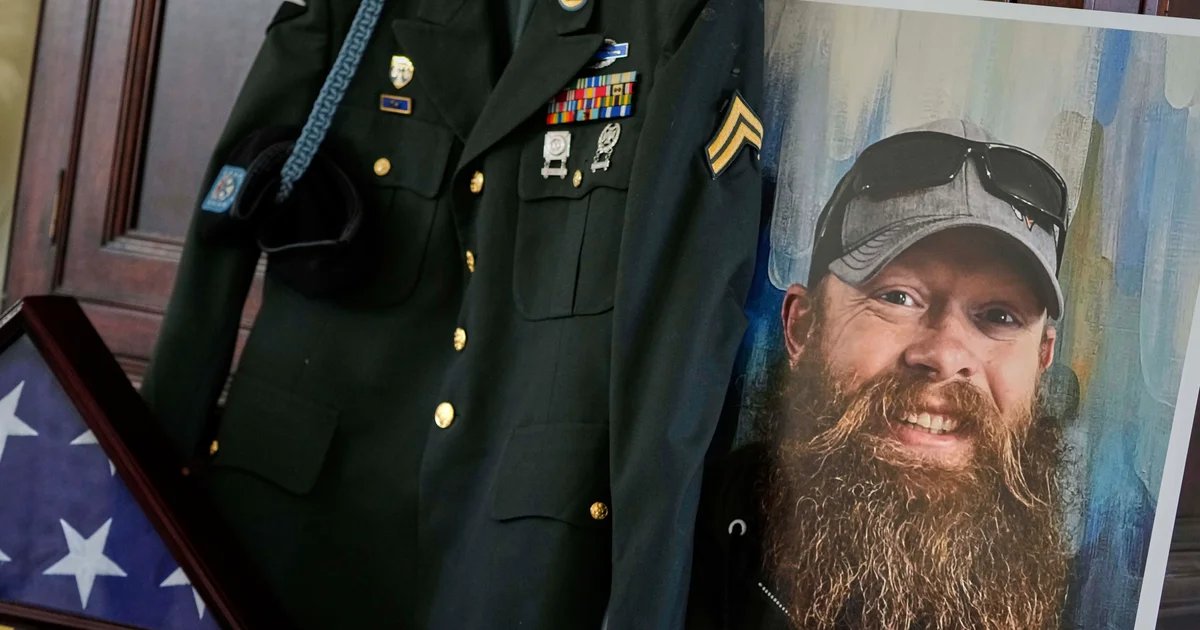
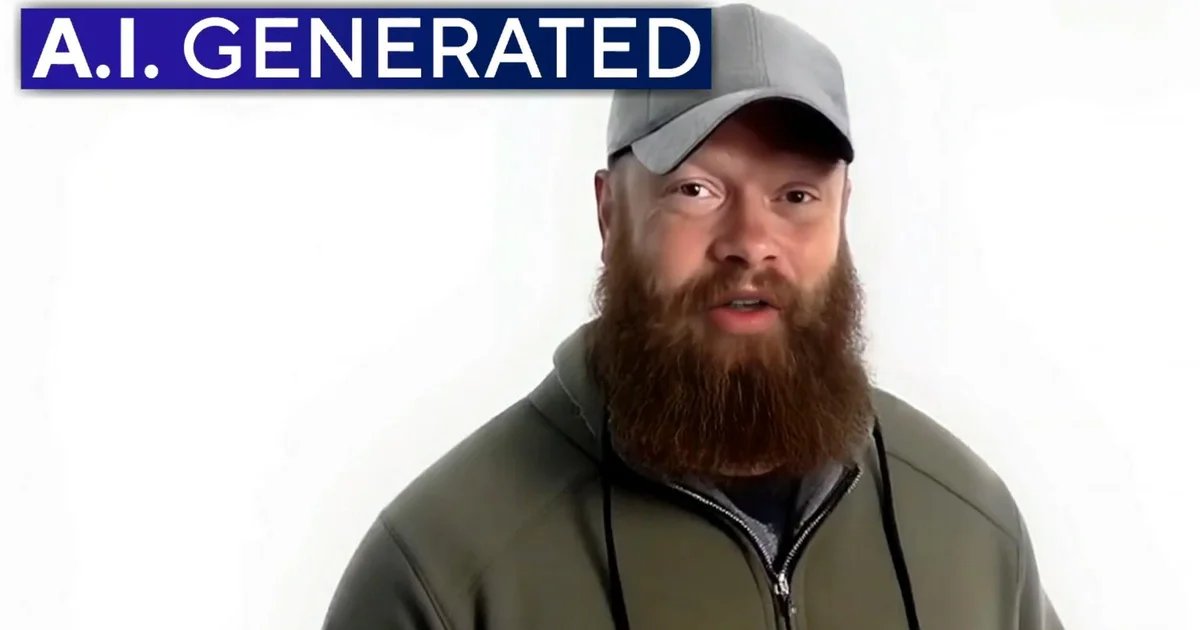
An Arizona man’s 10-year manslaughter sentence has been tossed in a case where a video generated by artificial intelligence portrayed the deceased victim addressing a judge before the punishment was imposed.
In a decision released Wednesday, the Arizona Court of Appeals concluded Gabriel Paul Horcasitas must be resentenced in the 2021 shooting death of Christopher Pelkey because the AI video wasn’t reliable.
The court found the video crossed the line, saying it didn’t reflect actual events and presented statements made in the footage as coming directly from the victim.
“Indeed, rather than document an event or recording a particular moment, the AI video presents a depiction of the victim and his thoughts created from the imaginings of the victim’s sister,” the three-judge panel wrote.
Jessica Gattuso, an attorney who represented victims in the case, and Kristen Reller, Horcasitas’ lawyer, declined to comment Thursday on the decision.
Reller argued Superior Court Judge Todd Lang violated due process protections by relying on AI evidence. Gattuso and prosecutors told the appeals court that the lower-court judge didn’t err, saying the footage was an accurate representation of Pelkey’s character.
Matt York / AP 
In what’s believed to be a first in U.S. courts, Pelkey’s family used AI to create a video of his likeness to give him a voice. Pelkey’s sister, Stacey Wales, raised the idea of her brother speaking for himself after struggling to figure out what he would say.
Wales told the BBC last year the family used voice recordings, videos and pictures to re-create him for the AI video.
“To Gabriel Horcasitas, the man who shot me, it is a shame we encountered each other that day in those circumstances,” said the AI version of Pelkey in court in 2025. “In another life, we probably could have been friends.”
“I believe in forgiveness, and a God who forgives. I always have and I still do,” the AI version of Pelkey continued.
Wales expected an appeal on the sentence and was disappointed the AI video was cited as the reason, saying her only goal was to humanize her brother for the judge.
“It feels unfair because there is a convicted murderer sitting in prison that has blankets and walls of protection around their rights. Where are the rights for the victim?” Wales said.
A victim appeals lawyer told the family that using AI again could result in another appeal.
“We will continue to let his voice be heard in whatever allowable medium we can convey that through the court system,” Wales said.
The AI-generated victim impact statement was played during a May 2025 sentencing hearing after nine of Pelkey’s family members and friends stood before the judge describing how emotionally devastated they were by his killing.
Authorities say Horcasitas, 55, fatally shot Pelkey, 37, during a November 2021 road rage encounter at a stoplight in Chandler, a suburb of Phoenix. Pelkey, who was unarmed, was shot after getting out of his truck and walking toward Horcasitas’ vehicle.
Matt York / AP 
Horcasitas was convicted of manslaughter in Pelkey’s death and endangerment for a gunshot that struck another vehicle at the intersection during the encounter.
Horcasitas’ appellate lawyer argued her client had no meaningful opportunity to rebut material in the AI-generated video.
It’s not clear if attorneys or the court were aware in advance that an AI-generated video would be used. But attorneys representing Pelkey’s family said in court records that Arizona law does not require victims to disclose statements they plan to make in court to prosecutors, defense attorneys or the judge — and that victims can exercise their rights by speaking before the court or submitting statements that are written or recorded on audio or video.
In a statement Thursday, the Maricopa County Attorney’s Office said its prosecutors knew the victim’s family would address the court during sentencing but weren’t aware of the nature of it.
While the use of AI within the court system is expanding, it’s typically been reserved for administrative tasks, legal research and case preparation. In Arizona, it’s helped inform the public of rulings in significant cases.
But using AI to generate victim impact statements marks a new tool for sharing information with the court outside the evidentiary phases.
Reller told the appeals court that the video doesn’t disclose who wrote the words used by the AI version of Pelkey and wasn’t backed up with evidence establishing that its contents accurately reflected Pelkey’s views. It also had an “undue emotional weight” and conveyed an authenticity that wouldn’t have been there had a family member read the same words aloud, Reller said.
Horcasitas’ lawyer contended the judge weighed the statements made in the AI-generated video when deciding on a sentence, but prosecutors argued Lang didn’t consider the footage when issuing the punishment.
Shortly before delivering the sentence, the judge commented that he “loved that AI” but didn’t say from the bench whether the video factored into his decision. Lang said he felt Pelkey’s “obvious forgiveness of Mr. Horcasitas reflects the character I heard about today.”
The family’s lawyers say the judge was already inundated with relevant information from Pelkey’s family and friends before the AI video was played — and that nothing in the video was inflammatory. Horcasitas’ attorney didn’t object to the AI video.
Gary Marchant, a law professor at Arizona State University, said he understands why Pelkey’s family did it. But he warned the use of this technology could open the door to more people trying to introduce AI-generated evidence into courtrooms.
“There’s a real concern among the judiciary and among lawyers that deepfake evidence will be increasingly used,” he said. “It’s easy to create it and anyone can do it on a phone, and it could be incredibly influential because judges and juries, just like all of us, are used to believing what you see.”
Marchant pointed to a case in New York, where a man without a lawyer used an AI-generated avatar to argue his case in a lawsuit via video. It took only seconds for the judges to realize that the man addressing them from the video screen didn’t exist at all.