dailynewsnblog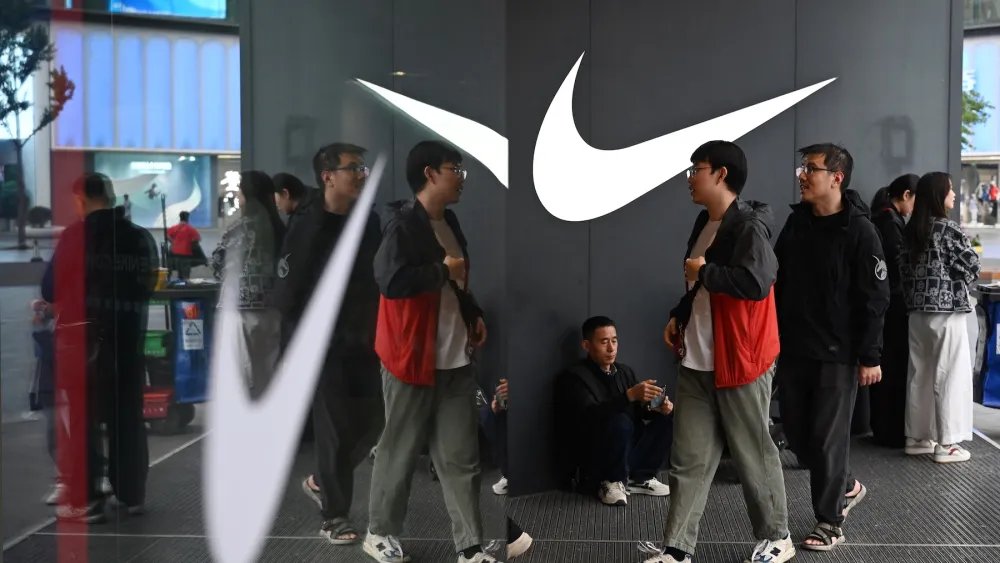
Nike continues to have a Greater China problem, and the newest plan has some market watchers scratching their heads on whether it could work.
Nike has a new operating model dubbed Pace, which includes the realignment of three geographies as the company further streamlines the organization to cut costs.
More specifically, one geography is Americas, which brings together North America and Latin America. Another is EMEA (Europe, Middle East and Africa), which will continue with existing operations and will not see any change. The third geography is APGC, which brings together Asia-Pacific and Greater China.
As part of the change, the APGC leadership team will be based in Singapore. The company said some roles supporting the region that are at Nike’s headquarters in Beaverton, Ore., will move to Singapore so the team can be “closer to the athletes and markets they serve.” The new APGC formation is expected to occur in fiscal-year 2028.
“Putting Greater China inside a broader Asia-Pacific structure can save money, but former Nike executives we interviewed say China is where Nike can least afford to be generic. Winning there takes product that’s right for the consumer in China versus just right for the consumer everywhere,” said Colby Howard, president of Heron Events at Heron Intelligence.
Howard also had doubts about shifting the leadership team to Singapore. “Our sources see real risk in it,” he said. “Former Nike executives we interiewed say that when Nike pulls work out of a market like Shanghai and runs it from Singapore, you lose that local relationship. And in China that connection is almost more important than the product itself. Cutting costs is necessary. Cutting the people who know the market is the danger.”
Patrick Ricciardi, analyst at research firm Third Bridge, said: “Reorganizing the regional structure is certainly interesting. One expert in the past noted that there are no regional presidents, with regional leadership reporting directly to Elliott Hill, which ‘will either work tremendously or fail tremendously.”
And the Third Bridge analyst said that his contacts have concluded that a massive overhaul of the Greater China operation is needed and could take “at least two to three years.” That’s because Greater China has its own market nuances, and thus far Nike hasn’t been able to adapt its model to ensure success in the region.
As Nike’s earnings showed that China continues to be a challenge for Swoosh, Greg Zakowicz, e-commerce and retail adviser to omnichannel marketing platform Omnisend, said he’s not convinced that the sportswear and footwear giant “has a plan to tackle these challenges. This turnaround in the region may be more nuanced than initially thought and could take the company much longer than the rest of the global plan.”
For the first quarter ended Aug. 31, revenue for Greater China declined 22 percent, or 26 percent excluding currency changes. The leadership team has been working to clean up the digital side of the business, according to Nike chief executive officer Elliott Hill.
According to Hill during Nike’s post-earnings conference call Thursday, “We believe a tightened digital ecosystem of Nike flagships will enable a more premium brand presentation, with clearer product stories and a more connected consumer journey.”
He also said the new focus will allow Nike’s top partners to concentrate on creating “inspirational brick-and-mortar retail experiences,” adding that the majority of stores in Greater China “have not been refreshed in the past seven years.”
Hill also emphasized that “China does remain an incredibly important marketplace. This year marks our 45th year of doing business in China, and we remain committed to serving the Chinese consumers through sport.”
And Hill said another component of how it plans to do better in Greater China is by “being more local,” meaning that the company will invest in product creation teams on the ground in China and working on future seasons. Hill said the first collection coming out of China, Made for China, will launch in November and only in brick-and-mortar. After that, new products and assortments will be locally designed, developed and even manufactured in China.
But there wasn’t much more detail beyond that, which is why Heron’s Howard said the real “test for APGC is whether [Nike] China will be able to keep that local voice.”