dailynewsnblog
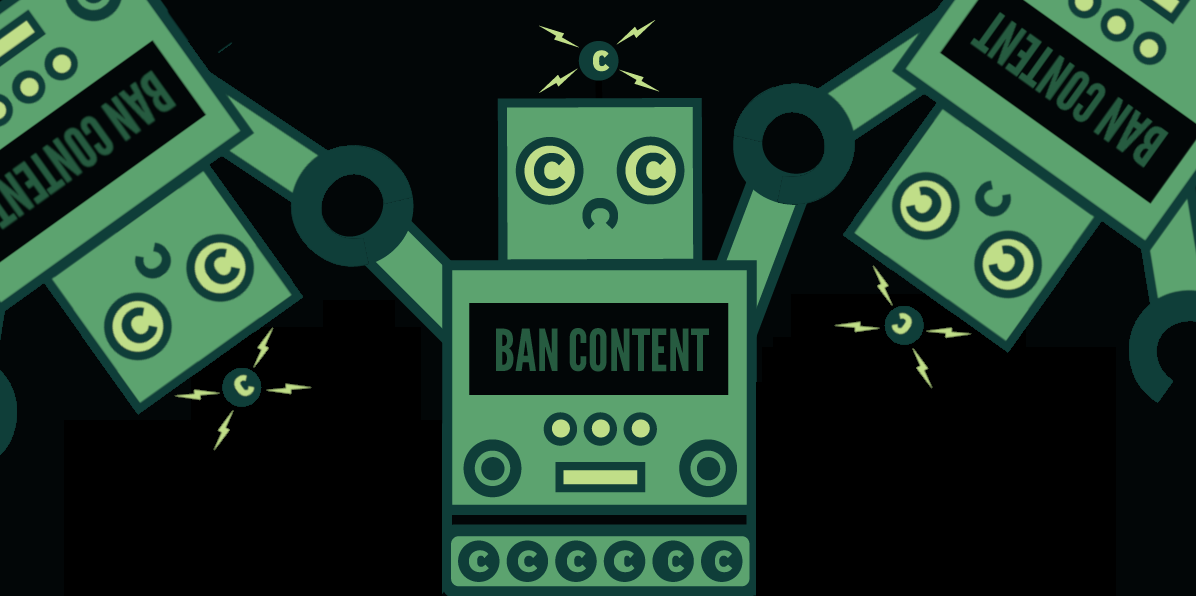
There has been a raft of site-blocking bills in the latest Congress, and the latest is called the “Deterring Extraterritorial Foreign Exploitation of Networks Damaging Intellectual Property” aka the “DEFEND IP Act.” The problem is that instead of “defending IP,” this bill will incentivize censorship, overblocking, and bad faith attempts to block access to a website. DEFEND IP Act, and all of these site-blocking proposals, threaten the open web.
We keep seeing attempts to pass site-blocking legislation–from SOPA/PIPA in 2012 to Block BEARD, FADPA, and ACPA this year. Every one of them has at its core the rotten idea that enforcing copyrights requires building a censorship machine for websites into the architecture of the internet. This is, of course, a disaster for a free and open web. There is no way to create a mechanism for blocking access to an entire website that does not invite both deliberate abuse and lots of collateral harm to free and lawful speech.
DEFEND IP deputizes every service provider into a copyright cop, so long as a rightsholder has accused a website of copyright infringement. Let’s be clear: this isn’t about removing access to an infringing work–that already exists via the DMCA. This isn’t about getting damages from the website or the uploader. It is about making an entire website inaccessible for everyone trying to visit it.
DEFEND IP lets any rightsholder go to a court and get an order requiring service providers to block access to an entire website after alleging copyright infringement. What DEFEND IP does not have is any deterrent for someone seeking to block a website in bad faith. There are no punishments for getting a website blocked for protected speech. There are no meaningful remedies for those whose speech is vanished from the internet due to an entire website being disappeared. It creates a one-stop shop for getting an entire website–again, not an instance of infringement but an entire site hosting all sorts of user content–removed. But for those whose business, speech, or access to information is affected, there is no easy way to get the site restored.
DEFEND IP scales up the extraordinary legal structures that already exist for copyright enforcement. In doing so, it likewise scales up the problems those regimes pose to protected speech.
We see this with DMCA takedowns all the time. We see it with bad faith takedowns used to silence criticism or commentary. We see it with the voluntary use of copyright filters by sites like YouTube, where seconds of sound matching seconds of sound in another video can prevent an entire work from reaching its audience. In these existing systems, there are at least some mechanisms of challenge available to the targeted creator. DEFEND IP has none. Instead, site owners, users, or readers will have to find a lawyer and go to court and hope to challenge the order, a slow, expensive, and daunting process
Those existing systems are already frustrating for the targeted creators and users, but under DEFEND IP a whole class of people doing protected speech will find themselves deplatformed because of the actions of others
This bill is not a defense of creativity or creators. It is a way to reshape the internet by building a vast new infrastructure of censorship. Congress should put aside DEFEND IP and the failed idea of site-blocking laws, for good.