dailynewsnblog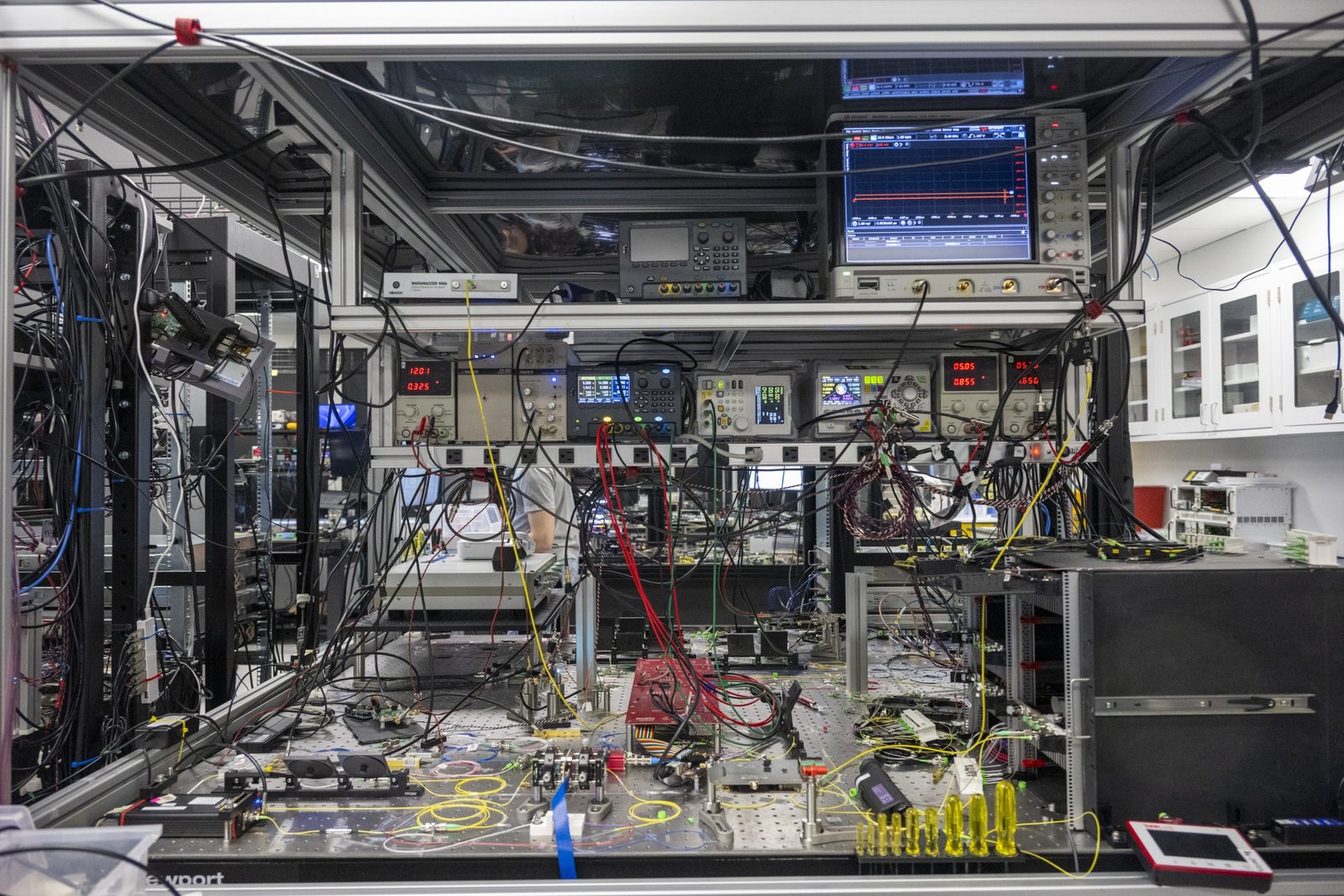
Imagine a ship that can navigate without GPS, or a mining company that can find critical minerals without digging. While quantum computers often dominate the headlines, quantum sensors are already quietly providing us with new, vital capabilities.
Canada is a global leader in the race to build the first large-scale fault-tolerant quantum computers.
At the same time, we’re also world-class in quantum sensing, communications, cybersecurity and enabling infrastructure. It’s time Canada expands its vision to see our opportunity across the whole quantum ecosystem. At stake are billions of dollars, thousands of jobs, and the future of sovereign capabilities with wide-reaching economic and security implications.
To date, at least five Canadian companies and non-profits have built quantum computers. While companies and governments around the world are investing in their own quantum computers, they’re also investing in Canadian quantum companies.
But quantum is more than computing.
Imagine a ship that can navigate without GPS, or a mining company that can find critical minerals without digging. While quantum computers often dominate the headlines, quantum sensors are already quietly providing us with new, vital capabilities.
Quantum communication allows distant parties to establish encryption keys that protect their private messages, while making it impossible for an eavesdropper to listen in without giving themselves away. Picture what that means for Canada’s defence and security establishment.
Canada is also a leader in quantum cybersecurity. As quantum computers advance, digital networks — banks, power grids, or government records — will need to be upgraded to post-quantum cryptography. Canadian organizations are standing on guard with quantum-resilient upgrades that are already market-ready.
Behind all of that sits a supply chain that powers the global quantum industry: cryogenics, photonics, control systems, software, materials, advanced manufacturing, and more. Canada is a world leader in the technologies, components, and processes that underpin quantum systems.
These capabilities are just as important for Canada’s long-term success, even if quantum computers get most of the headlines for now. Canada wins by investing more funding in areas of quantum, not spreading funds thinner.
It’s understandable that governments have a low tolerance for risk, especially when investing in emerging technologies. However, without significant and sustained support for our domestic sector, we put ourselves in unnecessary peril. Governments that refuse to choose have still made a choice.
Our Canadian companies will scale somewhere else. Our intellectual property will go with them. We will end up paying licence fees on technology invented in Canada by Canadians — a scenario we have already watched play out with AI.
The way to manage the risk, benefit from the economic boom, and be a player in setting international standards and rules is for Canada to make a bigger bet on quantum, right across the board.
Canada can and must back a range of technologies, including the companies that make the parts quantum tech depends on. Some will stall. Others will pay off faster than anyone expects. That is how any serious investor handles uncertainty, and it is how other nations are approaching quantum.
In March, the United Kingdom announced £2 billion in funding for quantum technologies, including more than £400 million for quantum sensing and navigation and £90 million for quantum infrastructure.
The United States has also invested in quantum corporations and quantum-safe cryptography, while directing government agencies to prioritize next-generation quantum sensor projects.
It is a more dangerous and divided world. Canada’s Defence Industrial Strategy says we should build quantum capability at home. Canadians must be assured we have the technology and know-how to protect and defend ourselves and our allies.
That means more than computing. We need quantum sensors, quantum cybersecurity, quantum cryogenic infrastructure, and more.
We’ll never lead every category of quantum capabilities or have a fully Canadian quantum supply chain. International partnerships that enable knowledge exchange, expertise mobility, and resource access are an important part of why Canada’s quantum companies already play a critical role globally.
A study released this month with industry groups from the United States, Europe, the United Kingdom, Japan, Korea, India and Canada surveyed 160 quantum companies; 90 per cent rely on at least one foreign supplier. Canada ranks among the top five locations for both suppliers and customers. Nobody builds this alone.
The idea that you cannot lose what you do not bet simply doesn’t apply to quantum.
Canada cannot maintain quantum players without a broad ecosystem to sustain them. The government should bet big on scaling across the sector, and back those bets with procurement and other activities that support demand and drive continued innovation. If it doesn’t, we risk folding while others go all-in with Canada’s chips.