dailynewsnblog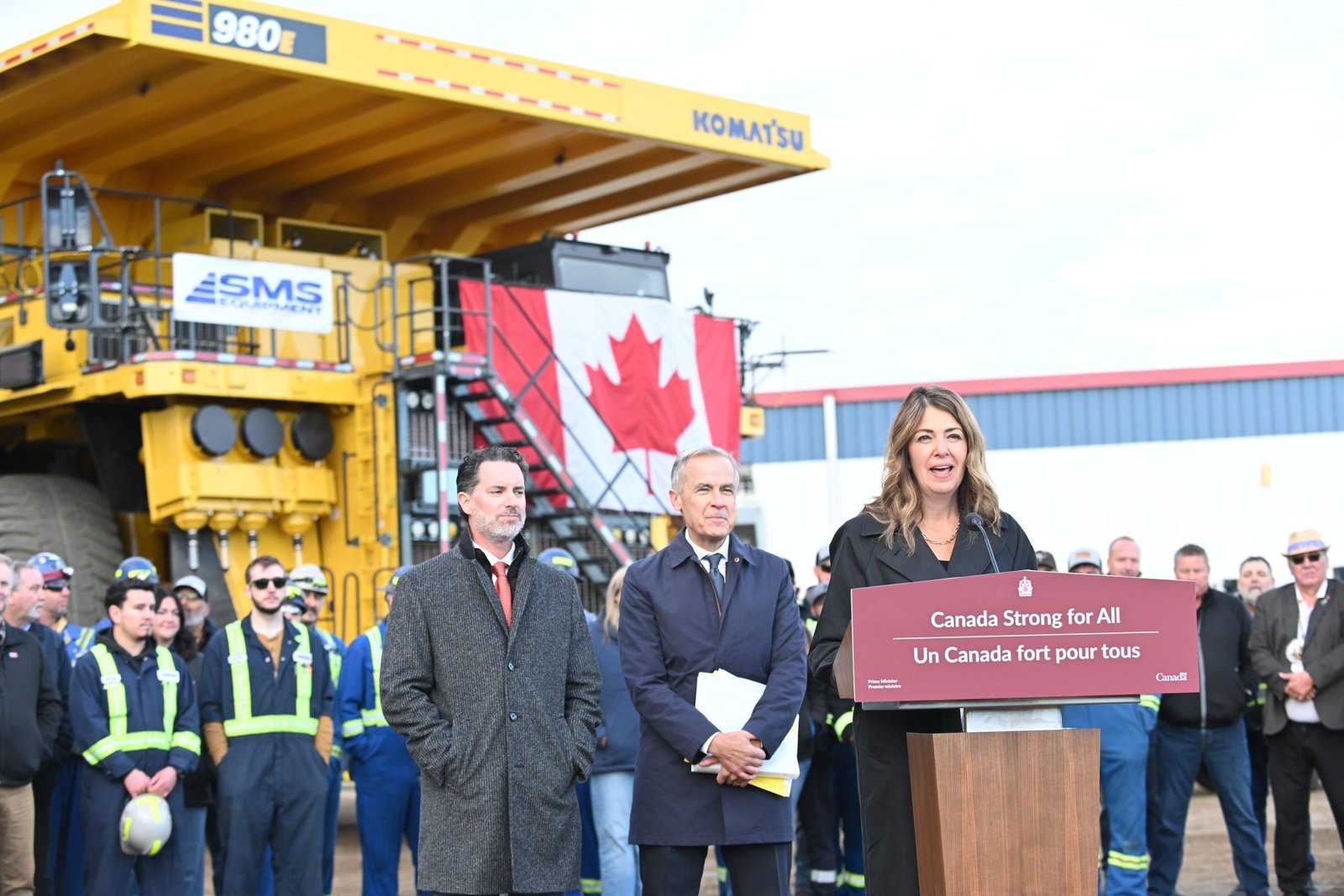
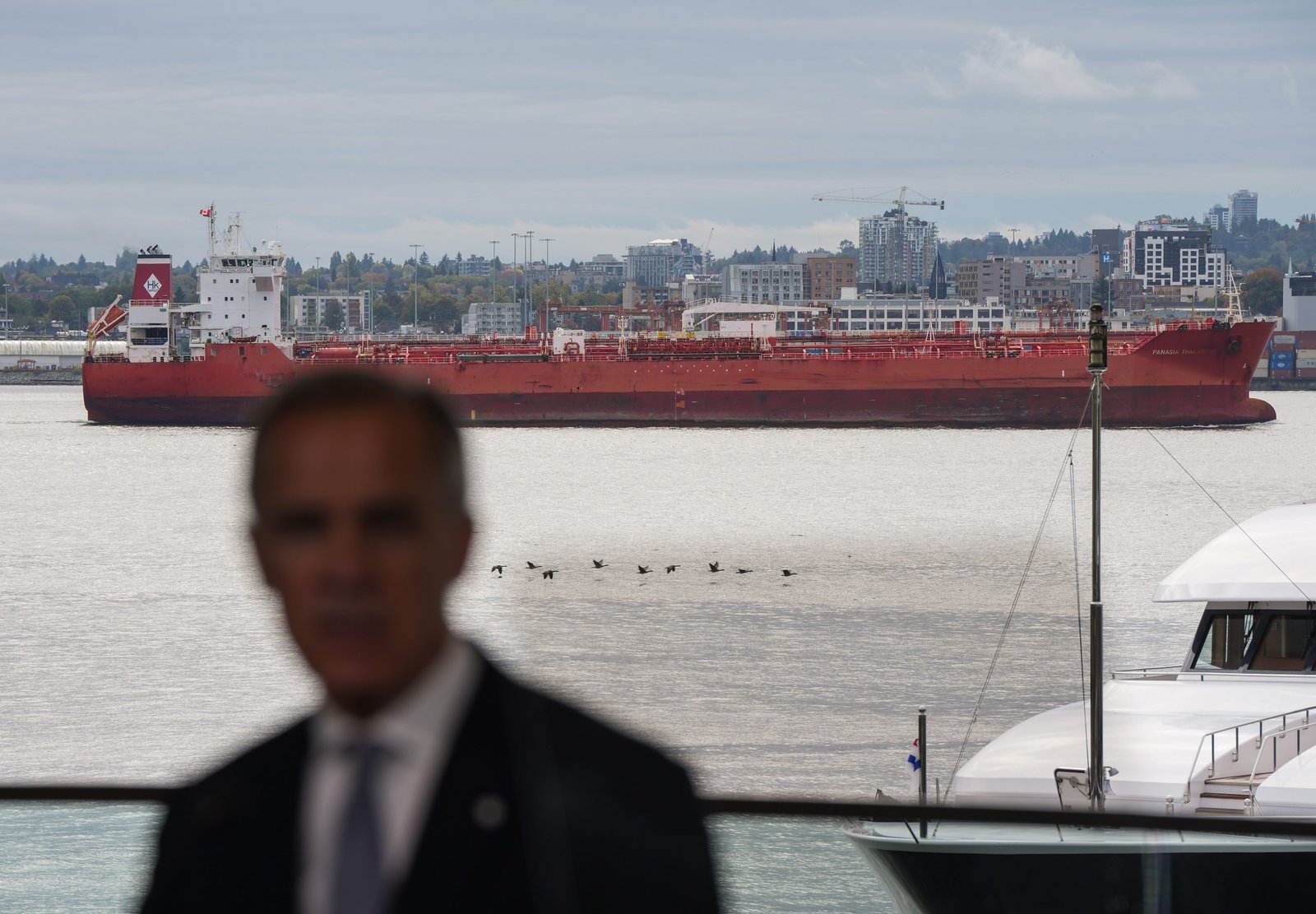
Ottawa is giving its blessing for a new pipeline that will link Alberta’s oilsands to the West Coast, tapping the project for a streamlined approval process in the first test of expansive regulatory powers introduced after the 2025 election.
Prime Minister Mark Carney announced on Thursday that the pipeline – now referred to as the Pacific Link – had been officially listed under the Building Canada Act, setting off a one-year clock for the new Major Projects Office to develop a binding conditions document.
That is set to replace the permits the project would require under various laws, including the Canadian Energy Regulator Act, the Fisheries Act, the Species at Risk Act, the Canada Marine Act and Canadian Environmental Protection Act.
It’s the first time the government has listed a project under the Building Canada Act, known also as Bill C-5, and comes as Carney seeks to diversify Canada’s trading partners, setting a target to double Canada’s non-U.S. exports over the next decade.
Aya Dufour and Marco Vigliotti have more.

As Ottawa sets a goal for businesses to adopt AI in its federal strategy “AI for All,” small businesses are seeing the potential to improve productivity, but a lack of time, skills and resources is slowing their ability to put it to work, according to the Canadian Federation of Independent Business.
Google is seeking to help close that gap with new AI training scholarships and funding for small-business adoption programs, announced as the company marks 25 years in Canada.
The company plans to offer 100,000 scholarships for AI training in partnership with the YMCA and provide more than $2.7 million to the Canadian Chamber of Commerce to deliver AI adoption programs to over 10,000 small and medium-sized businesses.
This comes as a part of Ottawa’s AI strategy which seeks to put 60 per cent of Canadian businesses on AI tools by 2034.
Sydney Ko reports.

The Ontario Liberal leadership contest has entered a new phase following Eric Lombardi’s withdrawal Wednesday evening, bringing renewed attention to the Lee Fairclough and former federal cabinet minister Navdeep Bains’ campaigns.
With less than two months until the party selects its next leader, Bains is making experience the centrepiece of his pitch, saying that his years in federal politics, time around the cabinet table and private-sector background have equipped him to rebuild the provincial Liberals and eventually challenge Premier Doug Ford.
In a sit-down interview with QP Briefing, Bains described himself as a candidate who understands both the economic pressures facing Ontarians and the work required to reconnect the party with communities across the province.
“I’ve been an elected official federally for a number of years, 13 years. I’ve also been a cabinet minister for five years,” he said, pointing to additional experience in the automotive, banking and telecommunications sectors, as well as teaching at Ontario universities.
Read more from Barbara Patrocinio.
In Other Headlines
Internationally
Elsewhere, the Omani co-pilot who stabbed his captain in an apparent attempt to crash an Israel-bound flight from Dubai had previously undergone radical Islamist indoctrination and was suicidal, Israel’s prime minister, Benjamin Netanyahu, has claimed.
Israeli passengers intervened to stop the attack on Wednesday, restraining the co-pilot, while a reserve crew in the plane was able to stabilise the plummeting plane and ultimately land it safely in Saudi Arabia.
The plane had more than 170 people onboard and Israeli officials praised the bravery of those who intervened, announcing that four of the Israeli passengers would receive a “heroism” award for preventing a potential disaster.
Netanyahu told Fox News: “We know that he underwent Islamic radical indoctrination. That appears to be something we are gathering from his personal information.”
The Guardian has more.
Google just put a refrigerator-sized satellite into space, part of a research project the company hopes can pave the way for orbiting AI data centers powered by the sun.
The prototype satellite has four specialty chips in it called Tensor Processing Units, or TPUs, that Google designed for machine learning and has already deployed in data centers on Earth. The chips will run a version of the company’s Gemma AI model for 15 minutes at a time due to heat management constraints, using the open weight model to answer simple queries. In a blog post, Google said the mission will gauge how the TPUs handle “the physical stress of spaceflight and the radiation and thermal extremes of space.”
Use of AI has grown sharply over the last few years, fueling demand for data centers. At Google’s annual developer summit in May, CEO Sundar Pichai said demand for AI services exceeds supply and he expects capital expenditures this year to be $180 billion to $190 billion — more than six times as large as in 2022 — as the company builds computing infrastructure and develops chips.
At a time when opposition to the proliferation of power-hungry data centers on Earth is growing, Google is one of a handful of companies advancing plans to put them in orbit where there is virtually unlimited free energy and no protesters.
Read more from NPR.
In Other International Headlines
The Kicker
Asked why the Pacific Link pipeline has no private proponent, Prime Minister Mark Carney turned to Pembina CEO Scott Burrows beside him: “Have you been nationalized?”
Burrows, whose company has a 10 per cent stake in the project, was still a private-sector CEO at last check.
Have a great evening!