dailynewsnblog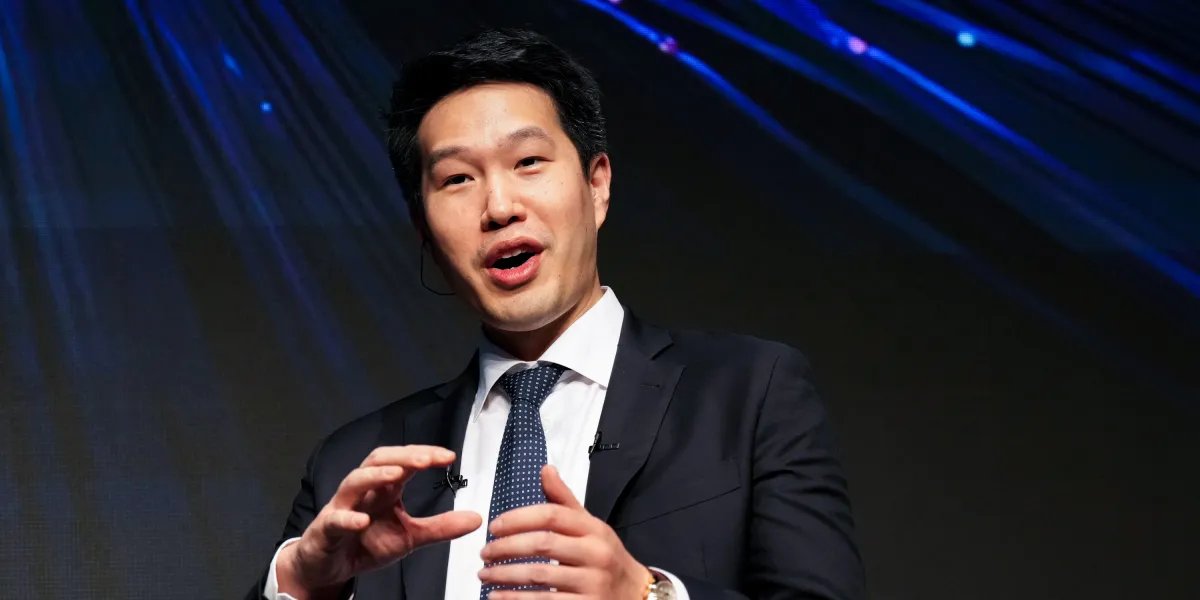
An OpenAI spokesperson says: “As frontier models have become more capable, we continue to evolve our security practices, but recognize a need to move faster. We know we have more work to do, and we’ve recently slowed development and held back models that don’t meet our safety bar. We continue to make significant changes to strengthen security in our research and testing environments, train models to not just complete tasks but do so responsibly, and use real-time monitoring to respond faster to misaligned behavior.”
Race vs. pace
OpenAI’s rivals have taken note. Spurred by the fallout from the incident, the major AI labs—including Anthropic, Google DeepMind, and SpaceXAI—have all called for the pace of development to slow down. But how does that square with fierce international competition and trillion-dollar IPOs?
“We’re not going to shoot ourselves in the foot and take ourselves far off the frontier—that’s just a horrible strategy,” he says. “I think it’s really about setting a norm. The more that we can set that norm, it’ll be safer for the industry as a whole.”
Coordination across US companies will be hard enough. Establishing global norms is harder still, especially given concerns around AI’s impact on national security. If a global race continues, what then? And what about open-source models from outfits beyond the reach of US regulations?
Chen dropped his upbeat manner for the first time in our conversation: “I do think we have to prepare for a world where, say, six months to a year out, we have open-source models with the capability of the agents behind the Hugging Face incident, but which are deliberately misaligned to go attack infrastructure or create harm in the world.”
What that world needs most, says Chen, is OpenAI. “If you entertain for a moment that OpenAI is one of the companies that cares most about alignment—and I believe this to be true; it can be debated, but I really do think it’s true—then if you disappear OpenAI, that would be bad for the world.”
Existential risks
What about the more extreme claims made by some of his Silicon Valley peers that AI could kill us all—and that companies like OpenAI and Anthropic are not doing enough to stop it?
“Researchers are a heterogeneous group of people, you know, with beliefs across the spectrum,” he says.