dailynewsnblog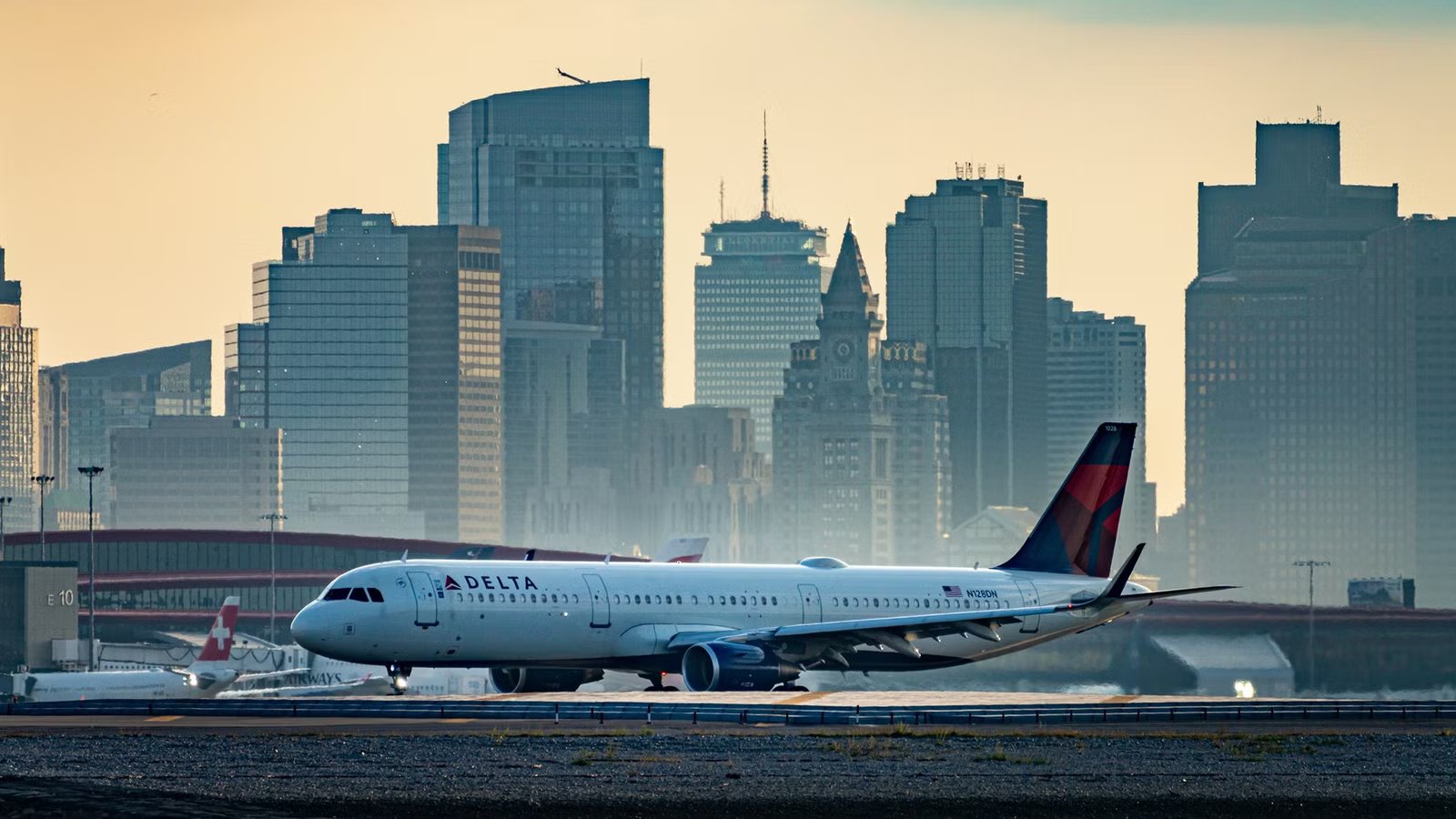
A fuel shortage is threatening flights at a major US airport this week, with reports by Paddle Your Own Kanoo suggesting that airlines are being forced to tanker in additional fuel. Flights at  Boston Logan International Airport (BOS), the busiest airport in New England, are expected to see JetBlue max out its tankering at Boston.
Fuel could not be brought in by barge or ship due to wild weather that threatened Boston over the weekend, a storm that has left flooding and damage to homes across the region. Airlines are now running low, with just two days left of reserves.
Jet Fuel Levels Are Low At Boston Logan International Airport

Following the nor’easter that trapped fuel barges in New York City, the fuel supply entering Boston is blocked. This has seen airlines flying in and out of the airport needing to hold extra fuel, or limited use of tanker trucks coming in from surrounding regions to top up supply. It is expected that fuel shipments will resume normal deliveries as the storm conditions recede.
The impact of the storm and fuel constraints has resulted in a number of flight cancellations and delays, with both JetBlue and  Delta Air Lines confirming that flight operations were affected. Passengers have otherwise been recommended to check with their airline to ensure there have been no changes to upcoming flight reservations in the next few days. A statement from Massport, the operator of the airport, is detailed below:
“Due to the forecasted nor’easter, fuel ships cannot make their way up to Boston until it is over. We have enough fuel to get through the weekend, but just to be safe, the fueling consortium here is asking airlines to bring extra fuel in their aircraft to lighten the fueling load here.”
Fuel Shipments Expected To Arrive This Week As Storm Conditions Subside

The worst of the wild weather has now passed Boston, which should mean that much-needed fuel barges are able to depart New York and refuel the dwindling Boston Logan supplies. Due to the delay of these services over the weekend, there are expected to be impacts to some flight operations due to minimal fuel uplift on departing flights.
In a post on X by aviation insider JonNYC, it was suggested that some flights may have been forced to make fuel stops at other US airports after departing Boston during the drop in fuel reserves, adding extra travel time to some flight plans.
Airlines in Boston in recent days have been required to tanker, where they add additional fuel on the incoming flight, to require less fuel in Boston. This works on shorter flights, but it makes it rather difficult for transcontinental or long-haul operations.
According to FlightAware, a quarter of all flights on Saturday were delayed or cancelled due to the fuel shortages and weather. It remains unclear which factor caused these disruptions.
Flight Operations At Boston Logan International Airport

Boston Logan is a hub for Delta and a focus city for JetBlue. Cape Air, a small regional airline, also maintains an operating base at the airport. It serves the Greater Boston Area and the wider New England region, and has six runways catering to all aircraft sizes, including up to the Airbus A380.
According to data from The Frequent Flyer, in the calendar year of 2025, more than 42 million passengers passed through the airport on 407,000 flight operations. The largest airline at the airport between June 2025 and May 2026 was Delta, which operated 27.2% of all flights. Full details of the top five operators at the airport are below:
Airline | Total Number Of Passengers | % Market Share |
|---|---|---|
Delta Air Lines | 11,418,621 | 27.2% |
JetBlue | 10,647,256 | 25.4% |
American Airlines | 6,062,456 | 14.5% |
United Airlines | 3,752,557 | 8.9% |
Southwest Airlines | 1,973,853 | 4.7% |
The busiest domestic routes from the airport are to Chicago, Atlanta, Washington, Orlando, and San Francisco, while internationally, the busiest routes are to London Heathrow, Paris, Dublin, Amsterdam, and Aruba.