dailynewsnblog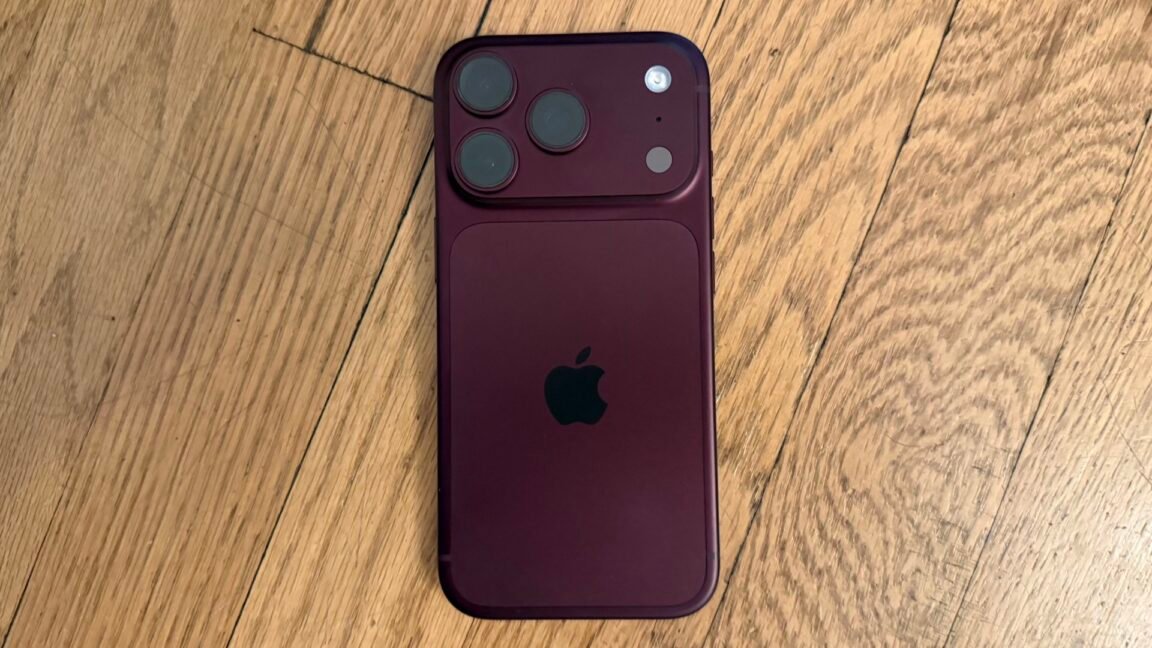
This includes four texture options: film, glow, soft skin, and standard. These options—especially the film one—allow the iPhone’s built-in Camera app to compete with some third-party apps that try to give photos warmer, more film-like looks. I won’t say it’s enough to make everyone drop those alternatives, but it’s good to have more options for those who are loyal to the main app.
Apart from these and a few other minor tweaks, it’s the same triple-48 MP rear camera system that we reviewed in last year’s iPhone 17 Pro, paired with the same front-facing 18 MP camera.
With the variable aperture and the other custom camera controls that are now accessible in the built-in Camera app (all the others are available on other recent iPhones), Apple has finally done plenty to address long-standing complaints that iPhone cameras were a little too opinionated for some users’ tastes.
Yes, these new features enable better point-and-shoot photos in some narrow situations, but user control seems to be the main pitch for the cameras this year.
For those who just want a good phone
This was Tim Cook’s last year as Apple’s CEO, and the iPhone 18 Pro is the quintessential iPhone of the Cook era: practical, pricey, loaded with features to cover ever more niche edge cases, and not especially bold in its design or ambitions—all to a high standard of quality.
This is the formula that has made it the world’s most popular flagship smartphone. There’s nothing wrong with that formula. Its recent predecessors were all great phones, and this one is, too.
But we all know the era of buying a new smartphone every year or two to enjoy amazing new features has passed. (Which is also great, by the way—for our pocketbooks, for the environment, for a whole bunch of reasons.) If you have an iPhone 17 Pro, there’s little reason to upgrade. Yes, we’re seeing some notable performance improvement year over year here, but I don’t think too many of us were complaining about the A17 Pro’s performance to begin with.